What to drink today
Astringency is catechins tightening the surface of the tongue. The sweetness is what returns when that grip lets go and saliva comes back. A few seconds sit between the two.
Spring leaf runs high in amino acids and tastes fresh; summer leaf runs high in catechins and bites. Twenty-four solar terms in a year, and the ratio moves the whole way through.
Today’s tea, and something sweet in season with it.
Tea shops15
Shops on Shopee selling Taiwanese tea and teaware — growers selling their own leaf, factories selling direct, and ceramic studios out of Yingge.
 台
台 臺
臺 歐
歐 千
千 云
云 棋
棋 鶯
鶯 京
京 聚
聚 茶
茶 臺
臺 泉
泉 采
采 陶
陶 鶴
鶴Things to brew with
Every tea here comes with a water temperature, a dose and a pouring time. These are the things that let you hit those numbers.
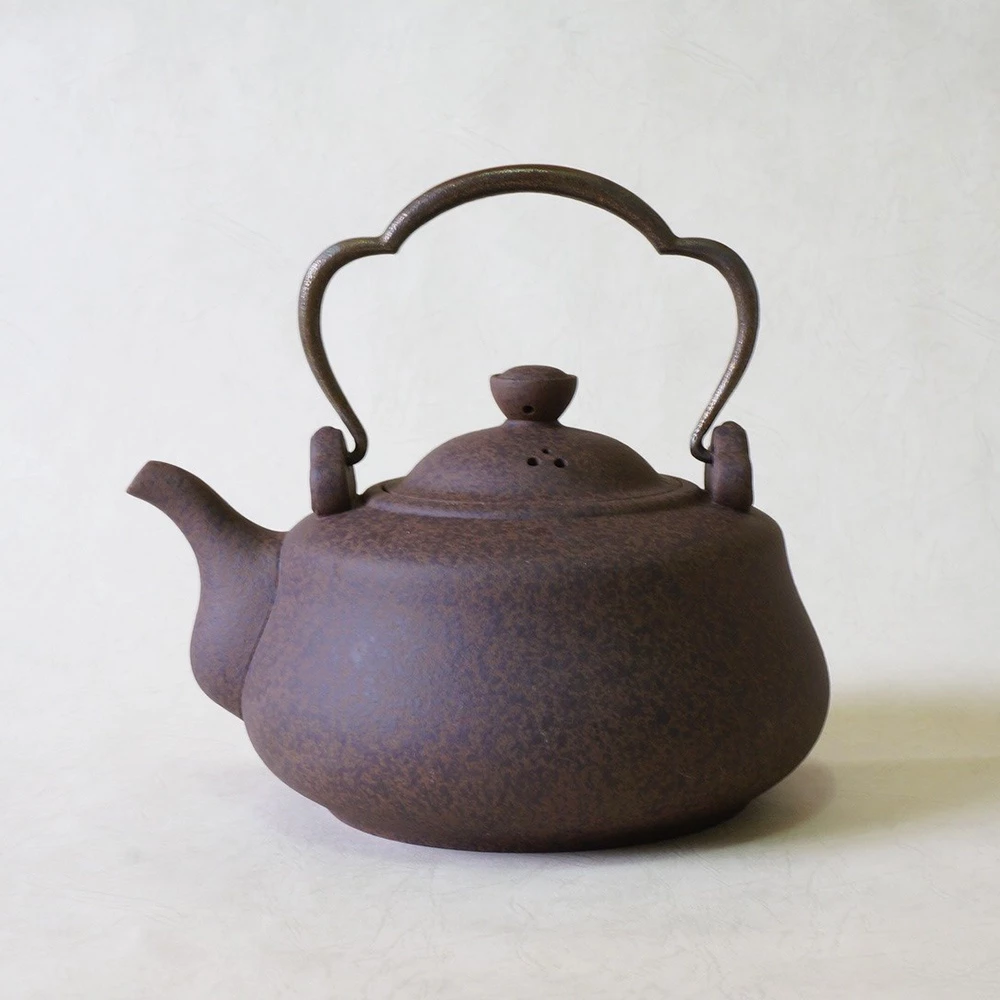
A Yingge ceramic kettle: slow to heat, slow to lose it. Heavily fired Tieguanyin and Dong Ding want high temperatures, and the ceramic keeps the last steep closer to the first.
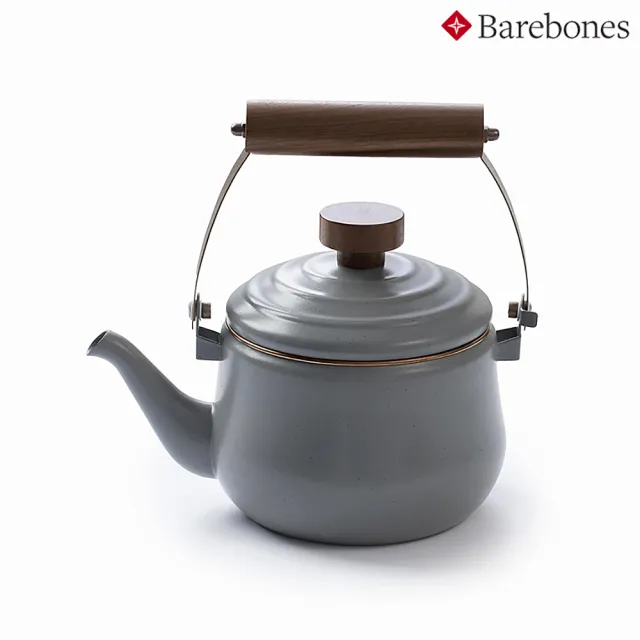
Enamel is glass fused onto steel: it holds no smell and takes no stain, so yesterday does not carry into today. It goes straight onto a flame and travels well.
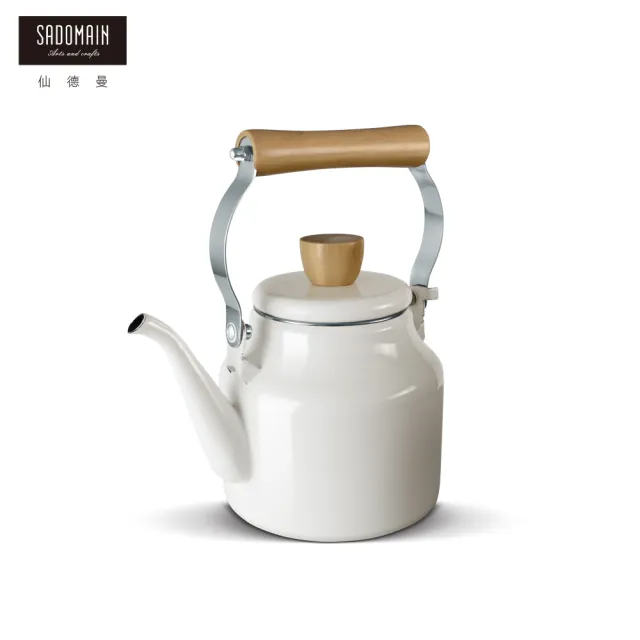
A litre and a half covers a full round of steeps. The narrow spout lets you aim, and where the water lands on the leaf matters as much as how hot it is.
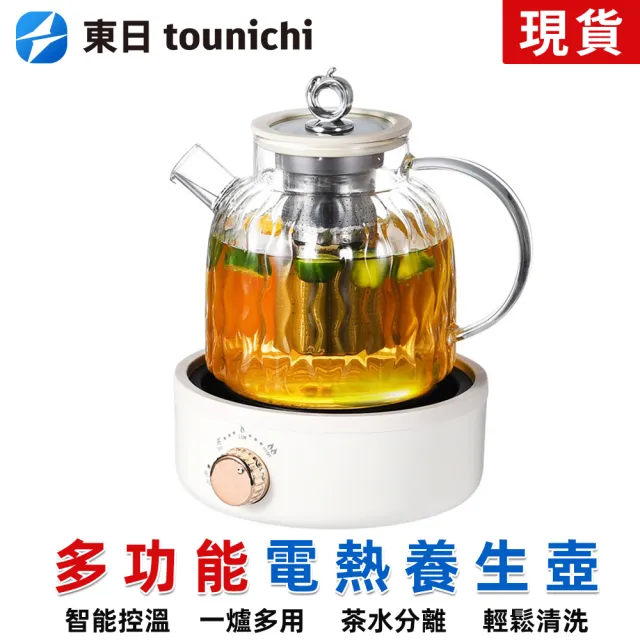
Green tea at 80 °C, Baozhong at 90, Tieguanyin above 95. Ten degrees changes the same leaf into a different drink. A kettle you can set is the only reliable way to hit those numbers.
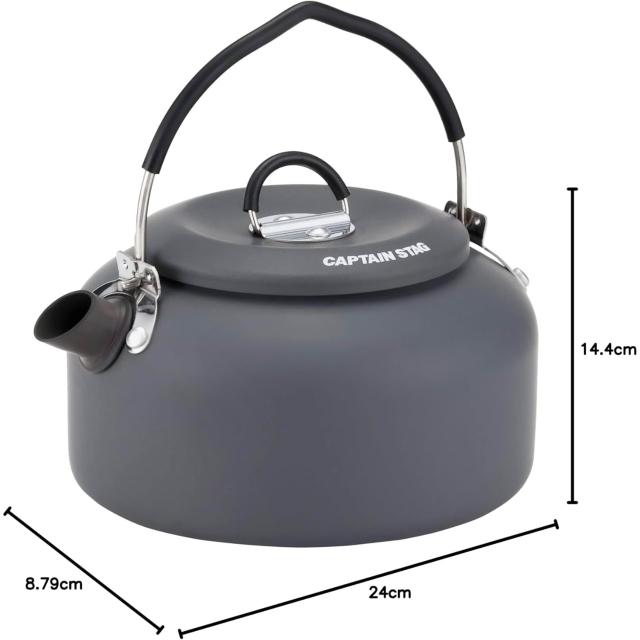
Seven hundred millilitres of aluminium — light. A good few of the eighteen districts under Tea country are walked into, and a pot boiled up there is not the same drink as the same leaf at home.
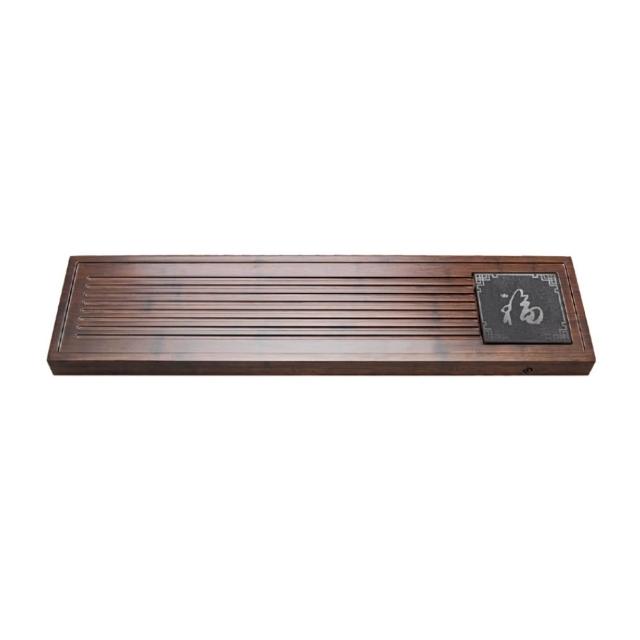
Making tea spills water — warming the pot, warming the cups, rinsing the pot; it all has to go somewhere. A draining tray has a second floor underneath, so the water collects there and the table stays dry.
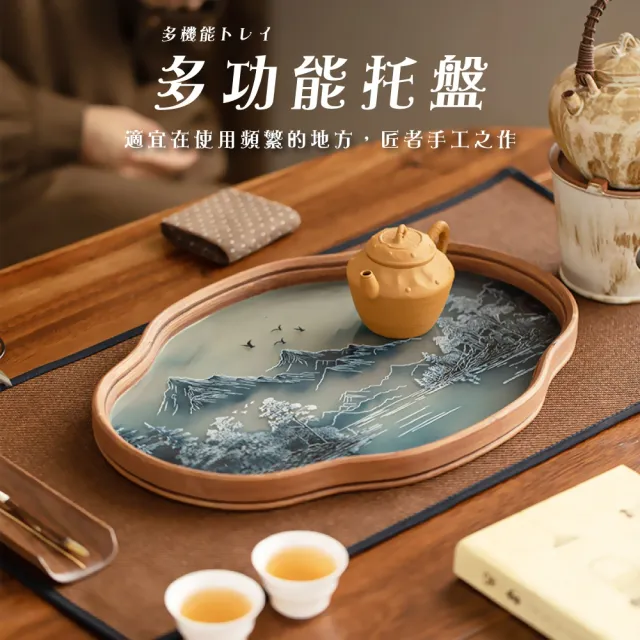
The kind that does not drain, for the part where the tea is made and you carry it out. The glass wipes clean and lets the liquor show its colour, which is the quickest read there is on oxidation and roast.
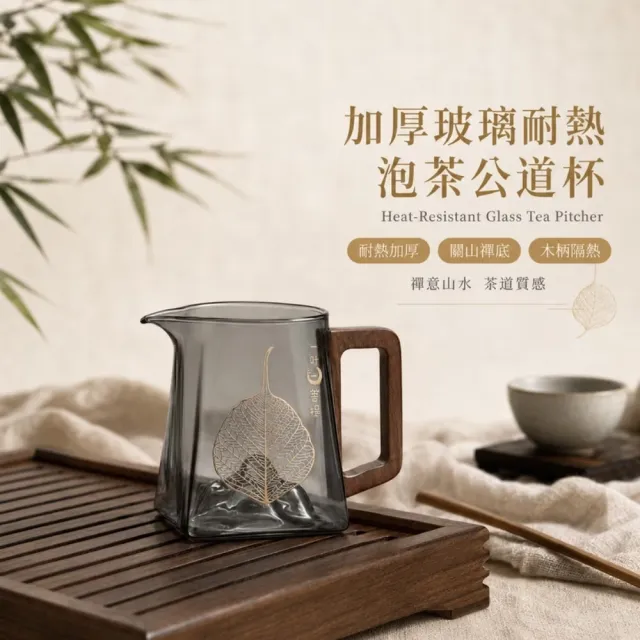
Liquor in the pot is not evenly strong top to bottom; pour straight into cups and the first is weak, the last is strong. The fairness pitcher exists for exactly that: everything goes in, gets evened out, then goes out. Glass lets you see the colour too.
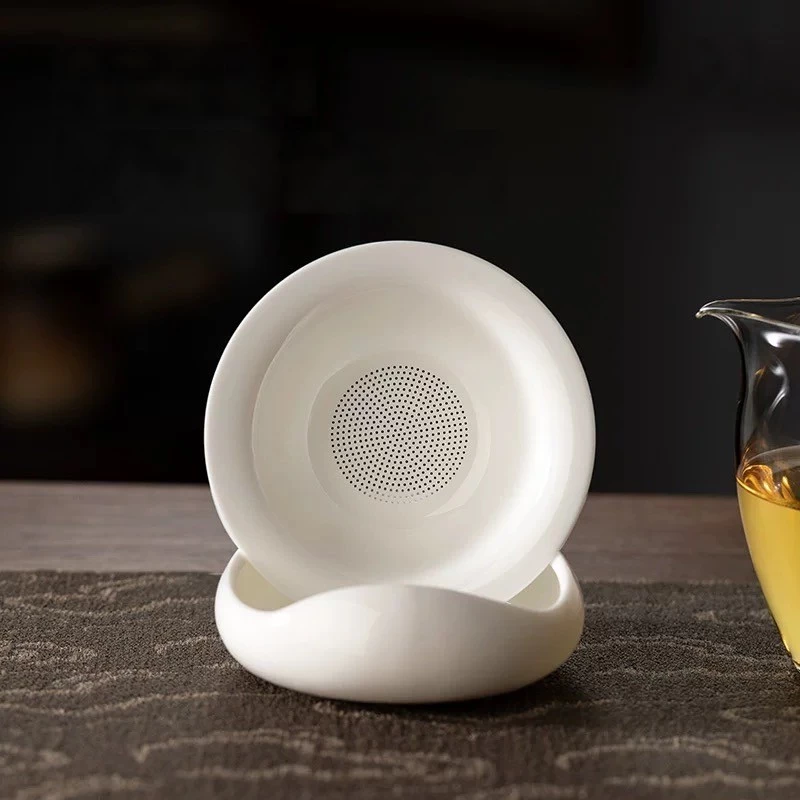
Catches the broken leaf. Fragments left in the cup keep steeping, so the last mouthful is bitterer than the first — worst with rolled oolong, which is tightly worked and sheds. Porcelain holds no smell and washes more easily than a metal mesh.