Tea regions
107 origins on real coordinates. The colour is elevation: below 800 m, 800–1,300, 1,300–1,800, above 1,800.
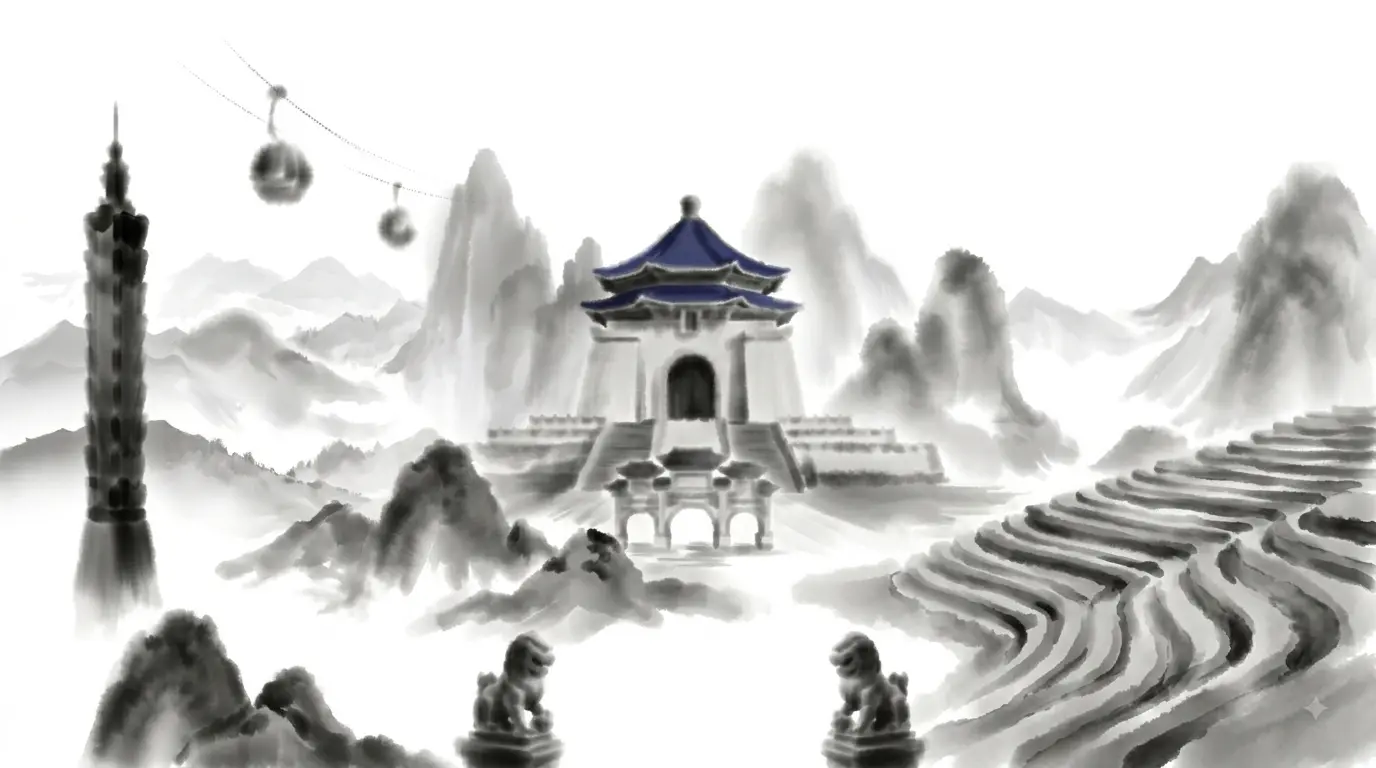
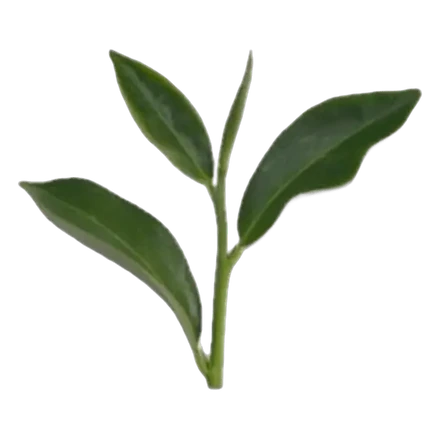 台北市茶區Where Taiwanese Tieguanyin starts
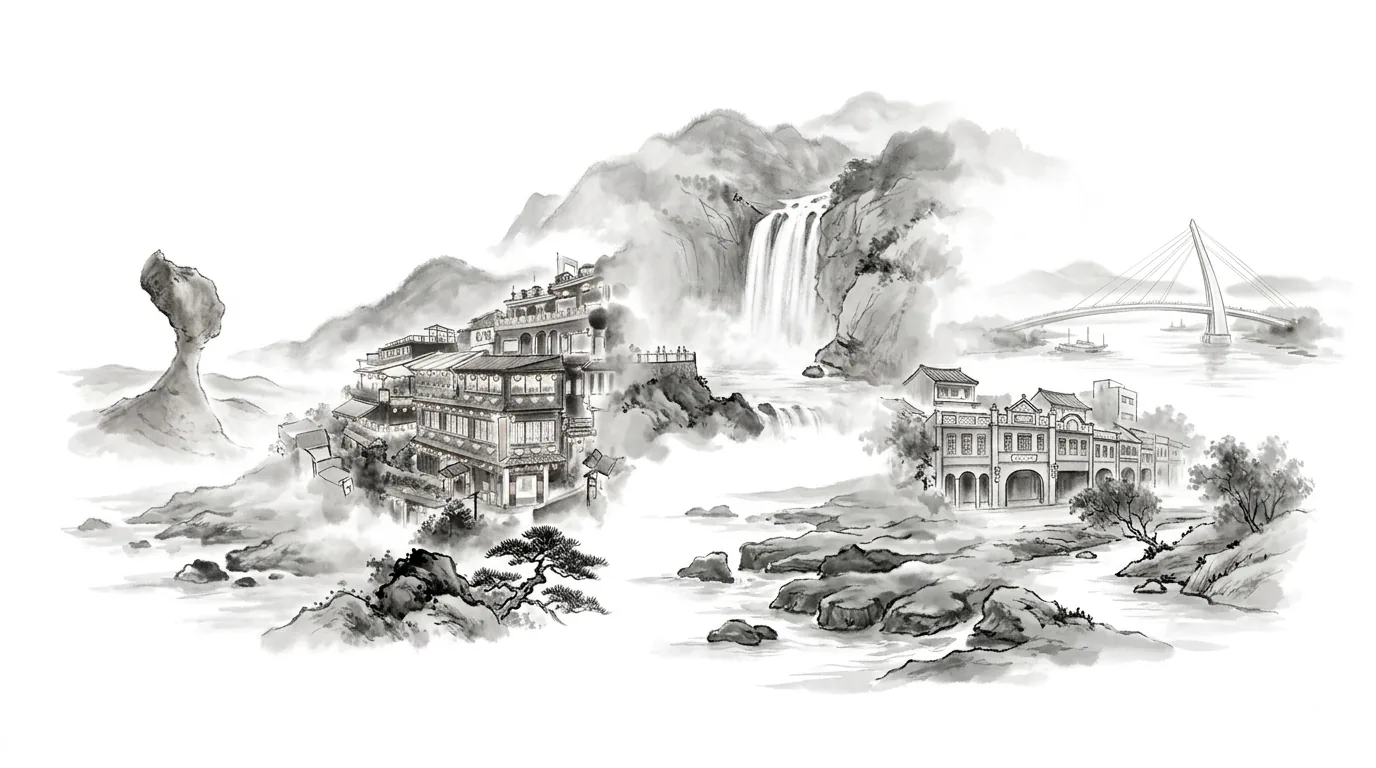 新北市茶區The heartland of Wenshan Baozhong
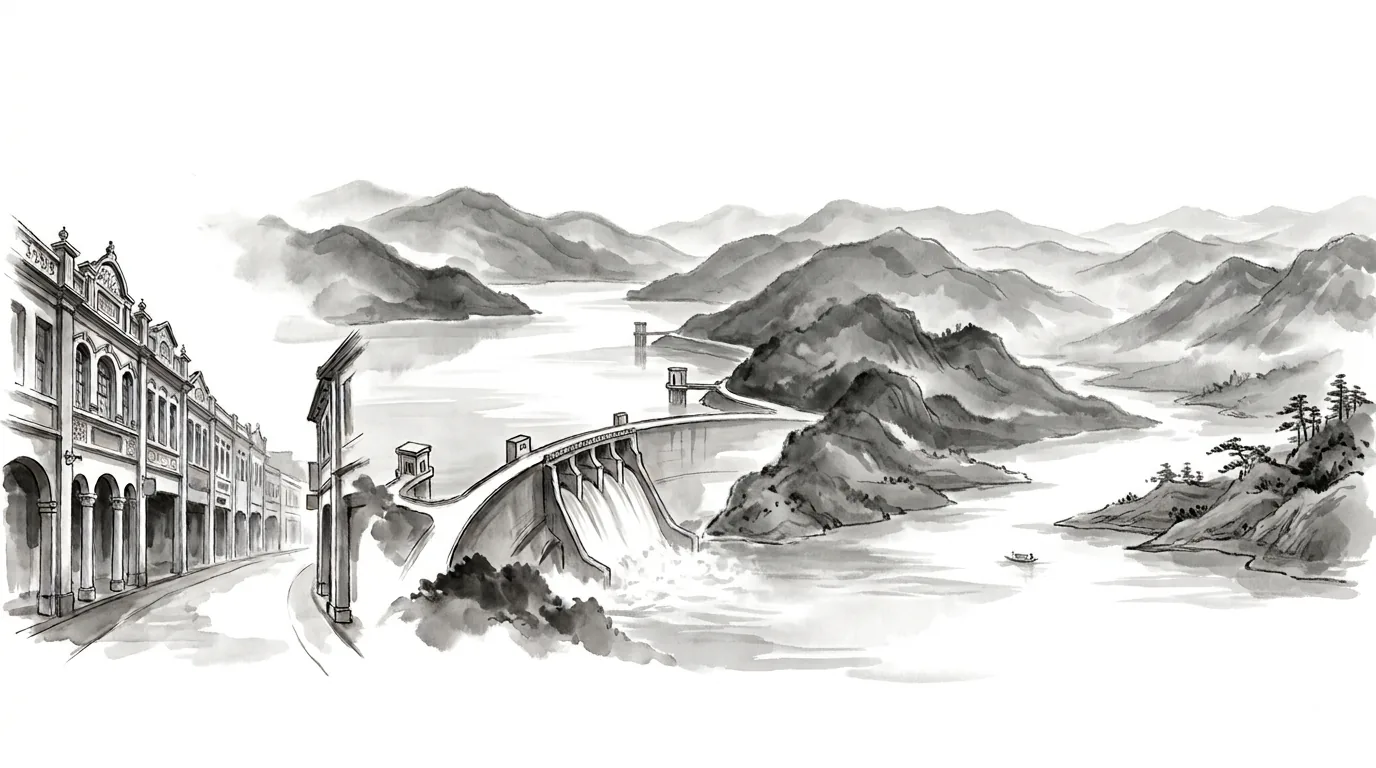 桃園茶區Three townships, three tea names
 新竹茶區Home of Pengfeng — Oriental Beauty
 苗栗茶區The region that unified its own names
 南投縣茶區Where Dongding and Songbo Changqing come from
 杉林溪茶區Grown between cedar and bamboo
 雲林縣茶區From 200 m to 1,200 m
 梨山茶區The highest tea in Taiwan
 仁愛茶區A hideaway above the clouds
 北部茶區The northernmost high-mountain tea in Taiwan
 玉山茶區Four pickings a year
 阿里山茶區High mountain tea on the Tropic of Cancer
 南部茶區Among the earliest spring pickings in Taiwan
 屏東茶區Tea made by the downslope wind
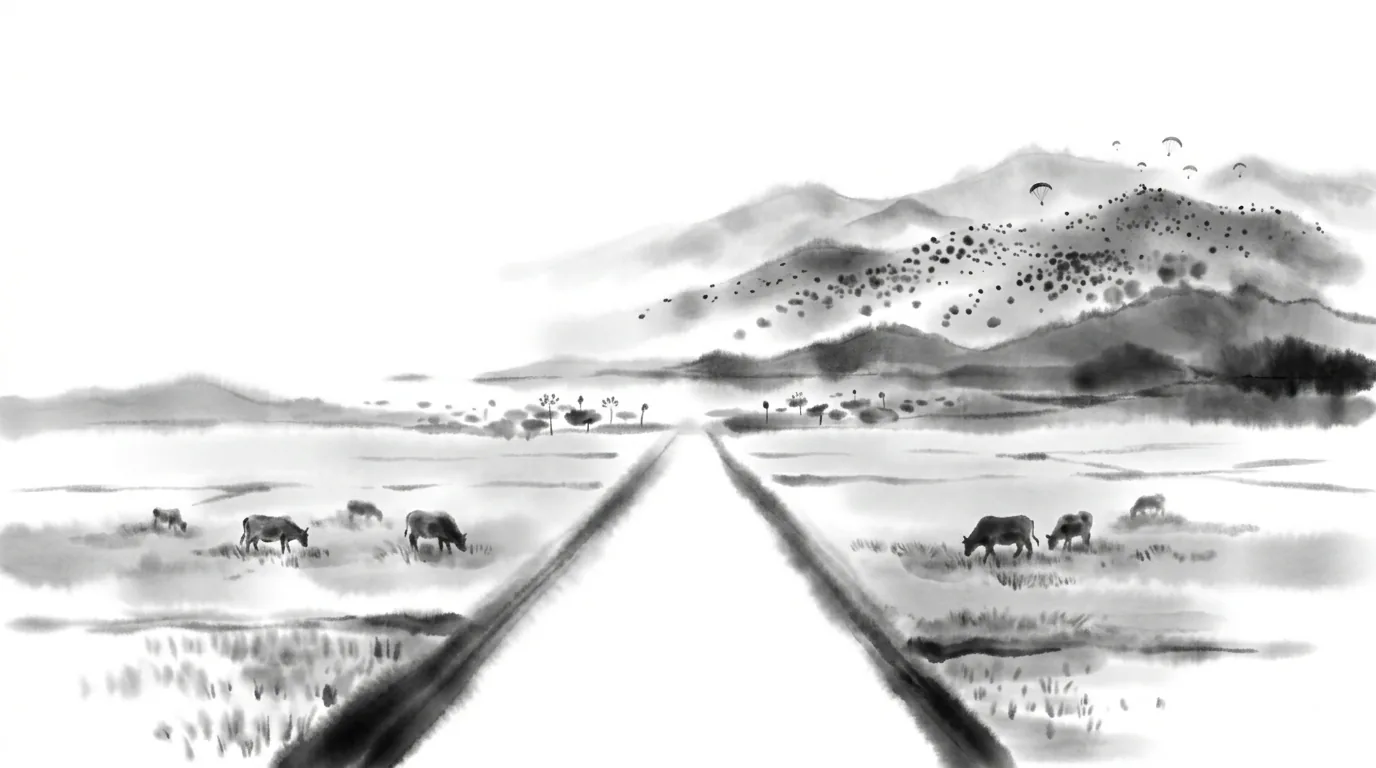 花東縱谷茶區Visitor gardens on the Wuhe terrace
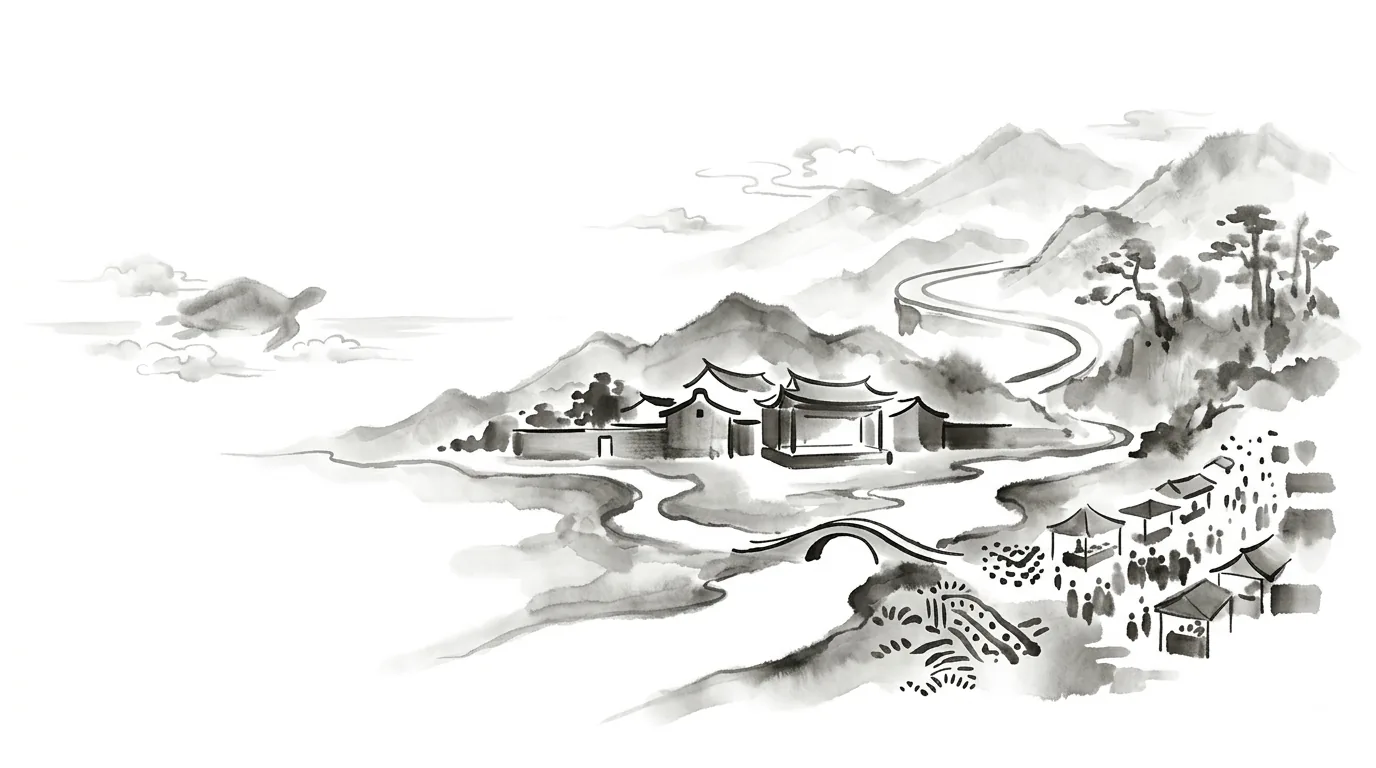 蘭陽名茶區Four townships, four names
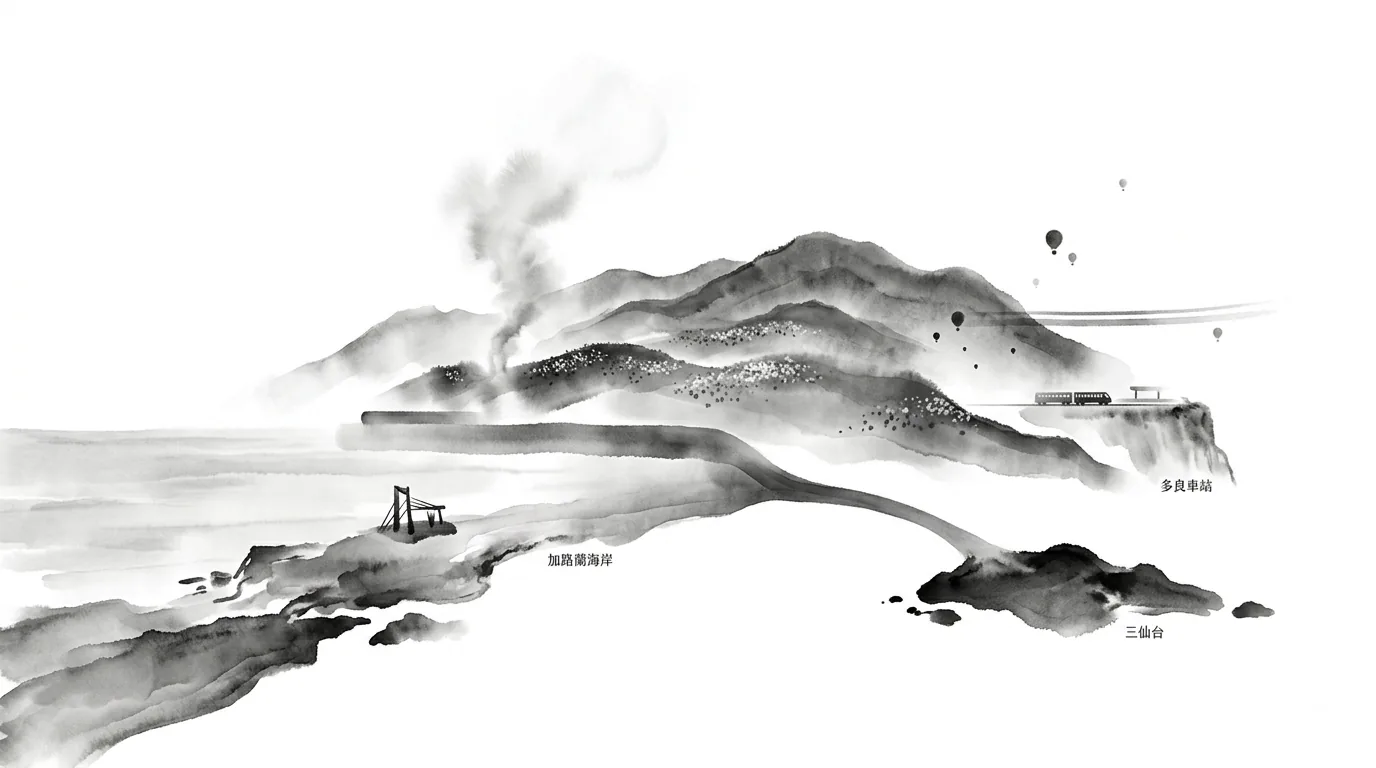 台東茶區Spring comes three weeks early
The tea plants of Taiwan19
"Dong Ding Oolong" names a method and a place, not a plant. The same Qingxin Oolong bush becomes Baozhong at Pinglin, Dong Ding at Lugu, high-mountain tea on Lishan.
Nineteen plants — and one of them accounts for sixty per cent of everything planted in Taiwan.
Qingxin OolongAn orchid-like floral note61%
An orchid-like floral note, fine and smooth in the mouth, sweet on the finish. When Taiwanese people say a tea tastes right, this is usually the reference.
What it becomes Wenshan Baozhong, Dong Ding, high-mountain oolong. Most of the teas Taiwan is known for are this one plant.
Where it grows Everywhere. About sixty per cent of Taiwan's planted area: close to two out of every three hectares.
Where it came from Brought over from China long enough ago that nobody records the year. It has been in Taiwan longer, and more widely, than anything else.
How to recognise the leaf A slightly low-growing bush with greenish-yellow buds. Leaves are slender ovals, glossy dark green, finely serrated; the side veins meet the midrib at a narrow acute angle. Sampled leaf 7.3 × 2.3 cm
Wenshan Baozhong TeaNangang Baozhong TeaPinglin Baozhong TeaSanxia Haishan Baozhong TeaLinkou Longshou TeaLongtan Longquan TeaYangmei Xiucai TeaLuzhu Lufeng OolongHukou Chang'an TeaMiaoli Oolong TeaLugu Dong Ding OolongShanlinxi Oolong TeaCao Ao ZaiLongfengxiaSancengpingFanzitianShitouhuRuan AnYangzaiwanShibiCaolingZhanghuZhushanTongtouHuashanGukengDayuling TeaFushoushan Farm TeaHuagang TeaBilüxi TeaLishan Wild TeaTianfu Farm TeaCuiluan TeaJiayang TeaQilai Wild TeaWuling Farm TeaLala Wild TeaUpper Baling TeaLower Baling TeaXinzhongheng TeaTunyuan TeaCuifeng TeaCingjing Farm TeaLiangjiu TeaLushan Wild TeaDongyan Wild TeaWujie TeaHongxiang TeaNanshan Wild TeaAowanda TeaWushe TeaMeixi TeaAlishan High Mountain TeaDinghu TeaAlishan Zhulu TeaLijia TeaFenqihu TeaZhangshuhu TeaTaiping TeaShizhuo TeaRuili & Ruifeng TeaLaiji TeaTaihe TeaTaixing TeaXiding TeaLongtou TeaLongyanlin TeaChushuikeng TeaXinyi Township TeaTataka TeaJiumei TeaShalixian TeaShenmu TeaDongpu TeaDili TeaCaopingtou TeaXinshan Wild TeaErjian TeaNamasia TeaDongshan Suxin TeaJiaoxi Wufeng TeaDatong Yulan TeaLuye Red OolongLuye Fulu TeaTaimali Taifeng High Mountain TeaXuejian High-Mountain OolongTongluo Jiuhu Terrace OolongSanzhanping TeaLongtou Tea
TTES No. 12Jin XuanA high
A high, generous floral note over a natural milky sweetness. Nothing is added; that is the plant.
What it becomes Baozhong, oolong, black tea — most often a light-oxidised oolong.
Where it grows Grown all over the island, largely alongside Qingxin Oolong.
Where it came from Bred by the government tea station and released in 1981. Its line number was 2027, so growers still call it "27". It adapts easily and yields steadily, and it is planted on more ground than any cultivar except Qingxin Oolong. High-mountain growers often plant the two side by side: Jin Xuan matures mid-season and Qingxin Oolong late, which staggers the picking and spreads the labour.
How to recognise the leaf Thick-fleshed leaves, greenish-yellow buds, broad ovals with large sparse teeth; side veins meet the midrib at close to ninety degrees. The tip is sharper than No. 13. Sampled leaf 6.9 × 2.5 cm
Longtan Longquan TeaOriental BeautyPengfeng Tea (Oriental Beauty)Lugu Dong Ding OolongCaolingWuling Farm TeaAlishan High Mountain TeaDinghu TeaAlishan Zhulu TeaFenqihu TeaRuisui Honey-Scented Black TeaDongshan Suxin TeaJiaoxi Wufeng TeaDatong Yulan TeaSanxing Shangjiang TeaLuye Red OolongLuye Fulu TeaTongluo Jiuhu Terrace OolongLongtou Tea
SijichunFour Seasons SpringAn unmistakable note of yellow watermelon and osmanthus15%
An unmistakable note of yellow watermelon and osmanthus. Openly sweet — you do not need training to enjoy it.
What it becomes Mostly light-oxidised oolong, sometimes black tea. The "four seasons" on a bubble tea menu is this plant.
Where it grows Around Songboling in Mingjian, Nantou. About fifteen per cent of the planted area.
Where it came from It appeared from natural crossing and growers kept it.
How to recognise the leaf New buds come out a pale purplish red. Leaves taper at both ends, pale green, thick-fleshed with a slight sheen, finely and sharply serrated. Sampled leaf 5.8 × 2.3 cm
Miaoli Oolong TeaMingjian Songbai Changqing TeaTongluo Jiuhu Terrace Oolong
Qingxin DamoBitten by leafhoppers10%
Bitten by leafhoppers, then heavily oxidised: the liquor turns orange, soft and full in the mouth, thick with honey and fruit.
What it becomes The best raw material for Oriental Beauty; also Fanzhuang oolong and green tea.
Where it grows Mainly the Taoyuan, Hsinchu and Miaoli districts. About ten per cent of the planted area.
Where it came from A local variety of the Taoyuan–Hsinchu–Miaoli hills.
How to recognise the leaf Purplish-red buds under dense down, dark green leaves, sparse blunt serration. Widest at the middle and symmetrical top to bottom — the easiest tell. Sampled leaf 7.5 × 2.7 cm
TTES No. 13Cui YuA pronounced body with heavy florals: ginger lily
A pronounced body with heavy florals: ginger lily, osmanthus, gardenia. Louder than Jin Xuan.
What it becomes Oolong and green tea, mostly light-oxidised oolong.
Where it grows Yilan and Nantou, among others.
Where it came from Released the same year as Jin Xuan, out of the same breeding programme. Line 2029, hence "29".
How to recognise the leaf Shares Yingzhi Hongxin parentage with No. 12 and looks almost identical: thick, dark green, wide vein angle. The tip is the difference — No. 13 is a little blunter. Sampled leaf 7.3 × 2.9 cm
Dongshan Suxin TeaJiaoxi Wufeng TeaDatong Yulan TeaSanxing Shangjiang TeaLuye Fulu Tea
Daye OolongSuited to heavy oxidation: a compelling honey note
Suited to heavy oxidation: a compelling honey note, round and full.
What it becomes Oolong, black and green tea; best known for Hualien honey-fragrance black and Taitung Red Oolong.
Where it grows The eastern districts of Hualien and Taitung.
Where it came from A local variety that eventually found its place on the east coast.
How to recognise the leaf Large thick dark-green leaves; greenish-white downy buds. Long ovals with a protruding tip and blunt sparse teeth, and no teeth at all on the third nearest the stalk — an easy tell. Sampled leaf 8.0 × 3.1 cm
Ruisui Honey-Scented Black TeaRuisui Tianhe TeaHegang Black TeaLuye Red Oolong
Taiwan wild teaSomething wild and forested about it
Something wild and forested about it, with flower, fruit and honey, and a long finish down the throat. It does not taste like a cultivated plant.
What it becomes Black tea.
Where it grows Liugui in Kaohsiung and the mountains of Taitung.
Where it came from Taiwan's own wild species. It was on these mountains before we were. Half of TTES No. 18 comes from this tree.
How to recognise the leaf A tall tree with large thick leaves and strong resistance to pests and disease.
Qingxin GanzaiGanzai stockWholly unoxidised
Wholly unoxidised, with a clear note of split mung bean, brisk and mouth-watering.
What it becomes Green tea. Sanxia Biluochun is this plant, in Taiwan's only green-tea district.
Where it grows The Sanxia district in New Taipei.
Where it came from A local variety of the Sanxia hills, and almost nowhere else.
How to recognise the leaf Greenish-white downy buds, very dark green leaf faces. Ovals whose margins fold noticeably inward, with a dented tip — as if lightly pinched. Sampled leaf 6.0 × 2.6 cm
BaimaohouA fine downy fragrance over sweet honeyed fruit
A fine downy fragrance over sweet honeyed fruit.
What it becomes Oriental Beauty and white tea.
Where it grows Shiding and Pinglin in New Taipei.
Where it came from A local variety, named for the dense white down on its buds — monkey hair.
How to recognise the leaf Buds thick with white down like monkey hair; young leaves soft.
TTES No. 18RubyBright and clean with excellent grip
Bright and clean with excellent grip, carrying an unusual mint-and-cinnamon note the trade calls the Taiwan aroma. No other black tea has that cool edge.
What it becomes Black tea — this is Ruby black tea.
Where it grows Mainly Sun Moon Lake in Nantou; also Ruisui in Hualien, Mingjian and Sanxing.
Where it came from Released in 1999. One parent is a Burmese large-leaf tea, the other is Taiwan's own wild mountain tea. Half of this plant is native to the island.
How to recognise the leaf Upright growth, pale yellow-green buds with almost no down. Leaves are large and egg-shaped, soft-fleshed, with wavy margins and a clearly protruding tip. Sampled leaf 10.6 × 3.4 cm
TTES No. 8Big and thick
Big and thick, with a heavy citrus note. Strong enough that milk does not bury it.
What it becomes Black tea — Taiwan's Assam.
Where it grows Sun Moon Lake in Nantou, the home of Taiwanese black tea; a little in Taitung.
Where it came from Selected from Assam stock brought over from India, released in 1974. The large-leaf seed arrived in 1925 and was tried in several places; only the Yuchi area of Nantou took to it, where a mean temperature around 20 °C and year-round cloud come close to Assam's own conditions.
How to recognise the leaf Large pale yellow-green buds. Big soft leaves, broad ovals with a slight wave, the surface bulging between the side veins, teeth large and blunt. Rounder and bigger than No. 18. Sampled leaf 12.0 × 4.9 cm
TieguanyinMedium oxidation
Medium oxidation, heavy roast, with a clean ripe-fruit acidity and the so-called guanyin finish. Heavily fired without going harsh.
What it becomes Oolong — true-stock Tieguanyin.
Where it grows Muzha and Shiding in New Taipei.
Where it came from Brought from Anxi in Fujian. Note that "Tieguanyin" names both a plant and a method — only tea made from this plant is the real thing.
How to recognise the leaf Buds reddish-yellow, leaves long ovals, veins at about forty-five degrees. Seen from the side the margin curls unevenly, and leaves alternate along the stem — the old name "red heart, crooked tail peach" describes exactly this. Sampled leaf 7.5 × 2.5 cm
Yingzhi HongxinDaguang HongxinMedium-oxidised and heavily fired it gives a solid roast note over ripe fruit; made into summer black tea it turns deep and dense
Medium-oxidised and heavily fired it gives a solid roast note over ripe fruit; made into summer black tea it turns deep and dense.
What it becomes Oolong and black tea: Shimen Tieguanyin, and summer blacks.
Where it grows The Shimen district on the north coast of New Taipei.
Where it came from A local variety of the north coast, and a parent of both TTES No. 12 and No. 13. Half of what Jin Xuan and Cui Yu taste like starts here.
How to recognise the leaf Plump downy buds; buds and young leaves a deep purple-red. Leaves are long ovals tending to lance-shaped, stiff and thick to the touch, with sharp teeth of uneven size. Sampled leaf 6.0 × 2.1 cm
ShichaIt takes many infusions
It takes many infusions, and carries a faintly saline, mineral edge from the sea wind, with a heavy sweetness. This is what the southern tip of Taiwan tastes like.
What it becomes Oolong — the Gangkou tea of Manzhou, Pingtung.
Where it grows Gangkou in Manzhou, Pingtung.
Where it came from A population grown from seed; no two plants are genetically alike.
How to recognise the leaf A seed-grown population: genetically diverse, drought-hardy, wind-resistant, tolerant of poor soil. It would not survive there otherwise.
FoshouBuddha's HandA distinctive citron note
A distinctive citron note, in the citrus family but deeper, over a thick sweet body.
What it becomes Black tea and oolong.
Where it grows Shiding, Pinglin and Alishan.
Where it came from Brought from China. The name comes from the leaf, as broad as a Buddha's-hand citron leaf.
How to recognise the leaf Leaves as large as citron leaves, thick-fleshed, broad and oval.
No tea on this site is made from this plant yet.
WuyiThe mineral finish Wuyi is known for
The mineral finish Wuyi is known for, with ripe fruit; heavy and dense, and it takes a deep roast.
What it becomes Oolong and black tea.
Where it grows Yilan, Pinglin and Shiding.
Where it came from Brought from the Wuyi mountains in Fujian. In 1796 Ke Chao carried Wuyi seed back and planted it in the north; that is where the story of Taiwanese tea begins.
How to recognise the leaf Thick-textured and vigorous, standing up to heavy firing.
No tea on this site is made from this plant yet.
TTES No. 14BaiwenA clean floral note; smooth in the cup and sweet on the return
A clean floral note; smooth in the cup and sweet on the return.
What it becomes Oolong.
Where it grows Songboling in Nantou.
Where it came from Bred at the government tea station.
How to recognise the leaf Vigorous growth, evenly flushing shoots, bright green leaves.
No tea on this site is made from this plant yet.
TTES No. 17BailuSweet and honeyed; once the leafhoppers have been at it
Sweet and honeyed; once the leafhoppers have been at it, the fruit comes out unusually strong.
What it becomes Oriental Beauty.
Where it grows Longtan in Taoyuan.
Where it came from Bred at the government tea station.
How to recognise the leaf Buds well covered in white down, short internodes, good disease resistance.
No tea on this site is made from this plant yet.
TTES No. 21HongyunA striking pomelo-blossom and citrus aroma over a golden-red liquor
A striking pomelo-blossom and citrus aroma over a golden-red liquor. Aroma is what this one is for.
What it becomes Black tea — Hongyun.
Where it grows Sun Moon Lake in Nantou.
Where it came from Bred at the government tea station from Keemun and Kyang.
How to recognise the leaf Spreading habit, soft leaves, strong flushing.
No tea on this site is made from this plant yet.
Plant characteristics and figures are compiled from the Tea and Beverage Research Station; the text here is our own.