 Manzhou Gangkou Tea
Manzhou Gangkou Tea
Where to buy it
Flavour
Distinctive maritime character with a faintly saline sweet finish
The southernmost tea district in Taiwan, and the lowest. Gangkou village is under a hundred metres, with the gardens facing the Pacific.
Sea fog carries salt onto the leaf, and the brewed tea has a faint saltiness — the only tea in Taiwan that does. The sea put it there.
In the Guangxu era the magistrate of Hengchun, Zhou You-ji, was fond of tea and had seeds of four kinds — Wuyi, Qingxin Oolong, Hongxinwei and Xueli — brought from Wuyi Mountain in Fujian and planted here. The Zhu family has grown it ever since, now in its seventh generation.
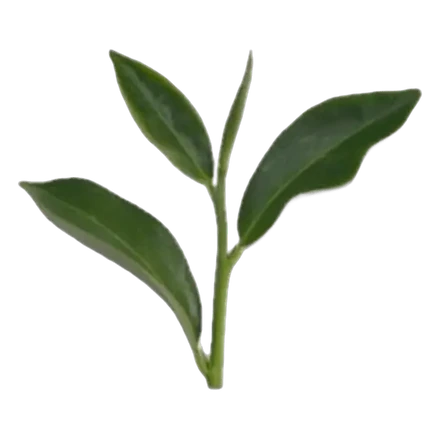
The method is unusual too: hand-rolled, then dried straight in a large wok, with none of the modern ball-rolling. The leaf stays in twisted strands with a whitish bloom.
⚠️ The first sip runs bitter. With hard downslope winds and full sun, this tea is a tough one. Give it several steeps before the sweetness comes back.
Fair priceestimated
One jin is 600 g. Below NT$600, be sceptical.
A reasonable range is NT$1,000–2,000 per 600 g. Below NT$600, ask more questions. This range is estimated from nearby regions and elevation; it has not been verified against listed prices.
What to ask when buying this
Freshly roasted tea carries harsh fire; two weeks of rest makes it rounder. You can also ask whether it has been re-roasted.
This price range is estimated from nearby regions and elevation and has not been verified, so compare for yourself.
Spring and winter lots fetch the highest prices and the best aroma; summer and autumn are a step down in both.
If they will not let you taste but want you to buy 600 g of something expensive, walk away. It is the simplest and most effective filter there is.
Specifications
About the origin
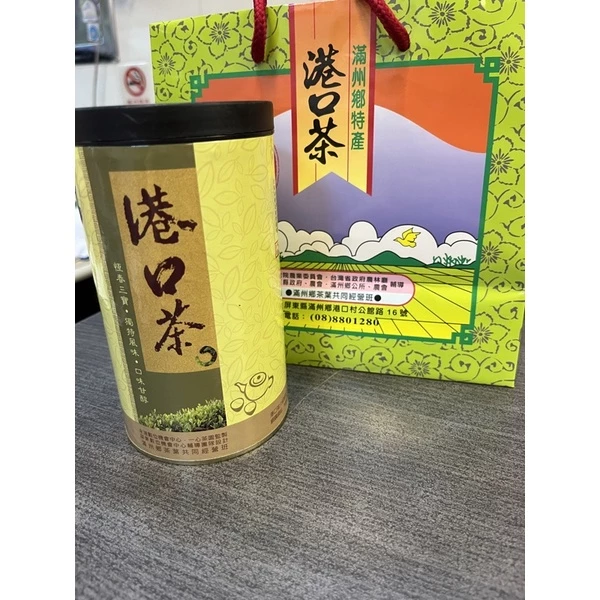
The southernmost gardens on the Taiwanese mainland, the lowest, and the closest to the Pacific. Gangkou tea stands with onions and sisal as one of the three treasures of Hengchun. Hengchun stays warm all year, so the leaf can be picked in any season; in practice growers still work mainly in spring and winter, because summer and autumn leaf comes out thin.
These figures will be updated if they change.
Brewing
Why this temperature
Ball-rolled oolong is tightly wound, and the first pour only reaches the outside of the pellet, so it needs water close to boiling to open at all. If it does not open, the later steeps swing between thin and heavy. The first and second steeps often take the same time or less, because the leaf does not truly unfurl until the second.
Temperatures follow the official category guidance. Source: TRES — Effects of water quality and temperature on tea liquor
Common mistakes with this tea
95°C or above. Too cool and the roast aroma never opens, leaving it flat.
Rolled-ball leaf needs the first infusion to open up; the second is then shorter.
A freshly bought heavy roast rounds out after a rest.
The most common beginner regret is buying 600 g on the first try. Buy a jin only after you know you like it.
What to eat with it
The fat in a flaky pastry coats the palate. The caffeine and roast in a fired tea clear it, so the second bite still tastes of something.
This one is Taiwan-only — not available overseas
Here are the closest teas we can actually ship you:
Lugu Dong Ding OolongLugu 800 m Charcoal Roast Throat Finish1.2–3.0kLocation accuracy: named locality (22.0450, 120.8450). This marks the growing area, not one specific garden.
Pingtung Tea Region1
What there is to do here
1 routes Day trip Manzhou
Gangkou tea from Manzhou is the southernmost tea in Taiwan, grown in sea wind. It brews long, tastes strong, and carries a bitterness that turns sweet — nothing like a high-mountain oolong. Kenting is on the way.