 Oriental Beauty
Oriental Beauty
Where to buy it
Flavour
Bai Hao Oolong with honey and ripe fruit notes
The one tea here that depends on an insect. When leafhoppers feed on the shoots, the plant answers by producing monoterpene alcohols in its own defence — and that is where the honey note comes from.
Which means the garden cannot be sprayed. No insect, no flavour. It is also why no amount of good management can raise the yield.
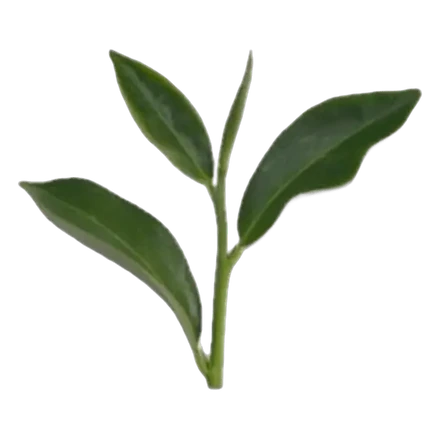
Oxidised about seventy-five per cent, close to a black tea, and it pours orange-red. The white down on the bud tips should be obvious; that is where the other name, White Tip Oolong, comes from.
⚠️ Summer leaf only, picked around the Grain in Ear term. There is one window a year.
Fair priceverified
One jin is 600 g. Below NT$1,200, be sceptical.
A reasonable range is NT$1,600–3,500 per 600 g. Below NT$1,200, ask more questions. Competition-grade lots command a large premium. Ask which association ran the competition, which year, and for the seal.
What to ask when buying this
Grading standards differ between associations, so awards are not comparable across competitions. Genuine lots come with a seal and certificate.
Late May to early June gives the best quality and highest price; July to September drops in both.
Real honey aroma comes from insect bites and is summer-only. What you find in winter is usually old stock.
Spring and winter lots fetch the highest prices and the best aroma; summer and autumn are a step down in both.
Specifications
About the origin
There is a lovely story behind the name: Queen Victoria tasted it and named it herself. **No document supports it.** Her reign did coincide with the height of Taiwan's tea export trade, black tea was fashionable in Europe, and this heavily oxidised, fruity oolong pours close enough to black tea to have stood beside good Ceylon and Assam — so the comparison to an oriental beauty is not far-fetched. But Taiwanese oolong of that era went mainly to the United States, and the Japanese term pengfeng cha only took shape after the 1920s. We will tell you the story; we will also tell you it is unproven.
The dry leaf carries five colours at once — white, green, yellow, brown and red — which is why it is also called five-colour tea. Those five are one batch of shoots recording different depths of oxidation.
These figures will be updated if they change.
Brewing
Why this temperature
Oriental Beauty is heavily oxidised, and what it wants is roundness — honey against a soft fruit acidity. Water that is too hot pushes that acidity into a point. Keep it at 80–90 °C and let the sweetness come first. It is also the best candidate for cold brewing: cold water extracts slowly, and the honey note comes through clean.
Temperatures follow the official category guidance. Source: TRES — Effects of water quality and temperature on tea liquor
Common mistakes with this tea
Above 90°C it turns bitter and astringent. This is the single most common first-time mistake.
Best drunk within two months.
The most common beginner regret is buying 600 g on the first try. Buy a jin only after you know you like it.
What to eat with it
A dense, creamy sweet needs a tea with comparable body. A light fragrant tea reads as thin beside it.
Location accuracy: named locality (24.6940, 121.0300). This marks the growing area, not one specific garden.
Hsinchu Tea Region2
What there is to do here
2 routes Day trip Beipu・Emei
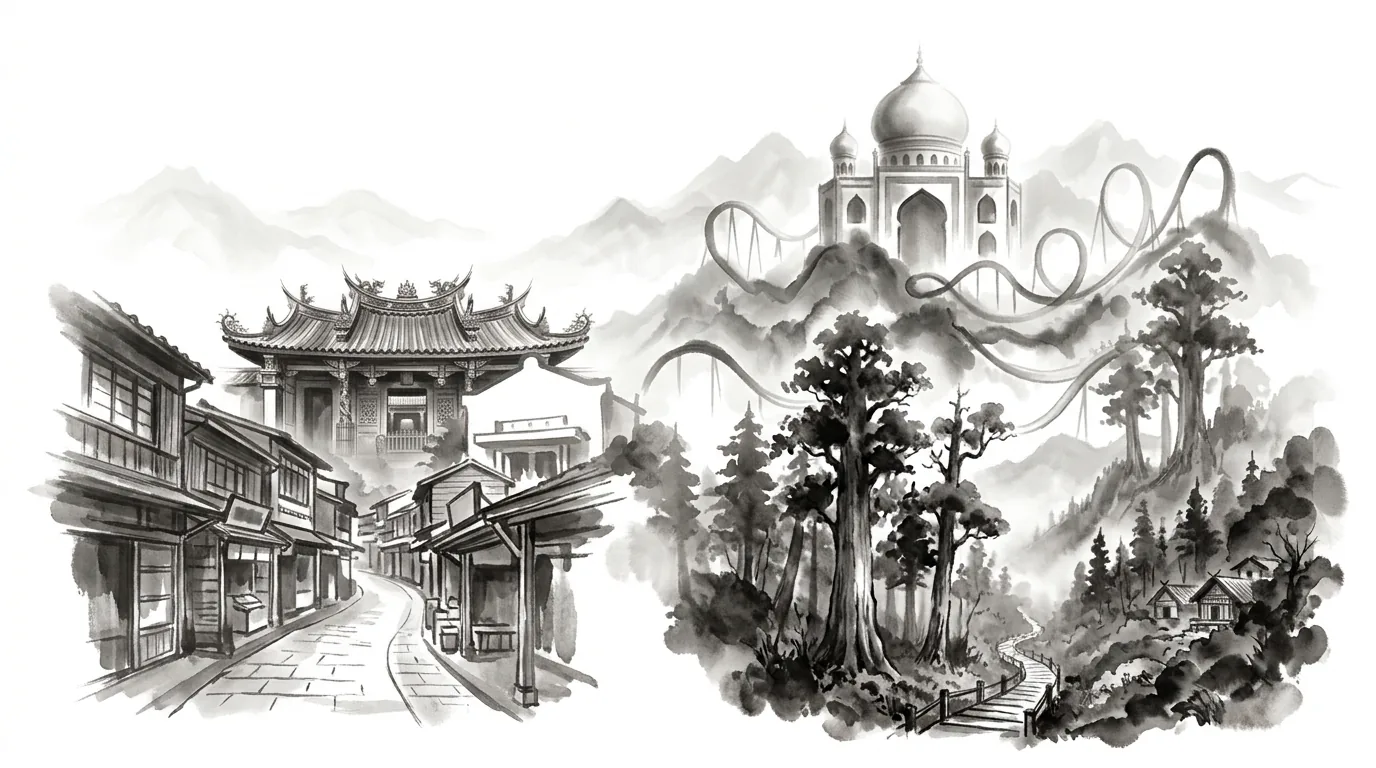
The home of Oriental Beauty. Beipu and Emei sit either side of a hill: Beipu sells, Emei grows, a division settled since the 1990s. Old streets, heritage houses, pounded tea, tung blossom, fireflies, dried persimmons — something is happening here all year.