 Luzhu Lufeng Oolong
Luzhu Lufeng Oolong
Where to buy it
Flavour
Gentle in the mouth, lively on the palate
Three dates: a production-and-marketing group formed in 1989; the name Lufeng and a grading system adopted in 1993; and in 1996 Lee Teng-hui renamed it Lufeng Oolong.
The grading matters more than the name. Grades create price tiers, and price tiers tell a buyer what they are actually buying — that is the step that turns a farm product into a commodity.
Luzhu is only a hundred metres up, the lowest of these northern districts. Low altitude has to be made up in the factory, and this district has placed in national tea-making competitions.
Tight, dark-green leaf; honey-yellow liquor; an easy mouthfeel.
Fair priceestimated
One jin is 600 g. Below NT$400, be sceptical.
A reasonable range is NT$700–1,500 per 600 g. Below NT$400, ask more questions. This range is estimated from nearby regions and elevation; it has not been verified against listed prices.
What to ask when buying this
This price range is estimated from nearby regions and elevation and has not been verified, so compare for yourself.
Spring and winter lots fetch the highest prices and the best aroma; summer and autumn are a step down in both.
If they will not let you taste but want you to buy 600 g of something expensive, walk away. It is the simplest and most effective filter there is.
A scannable producer record beats any verbal assurance.
Specifications
About the origin
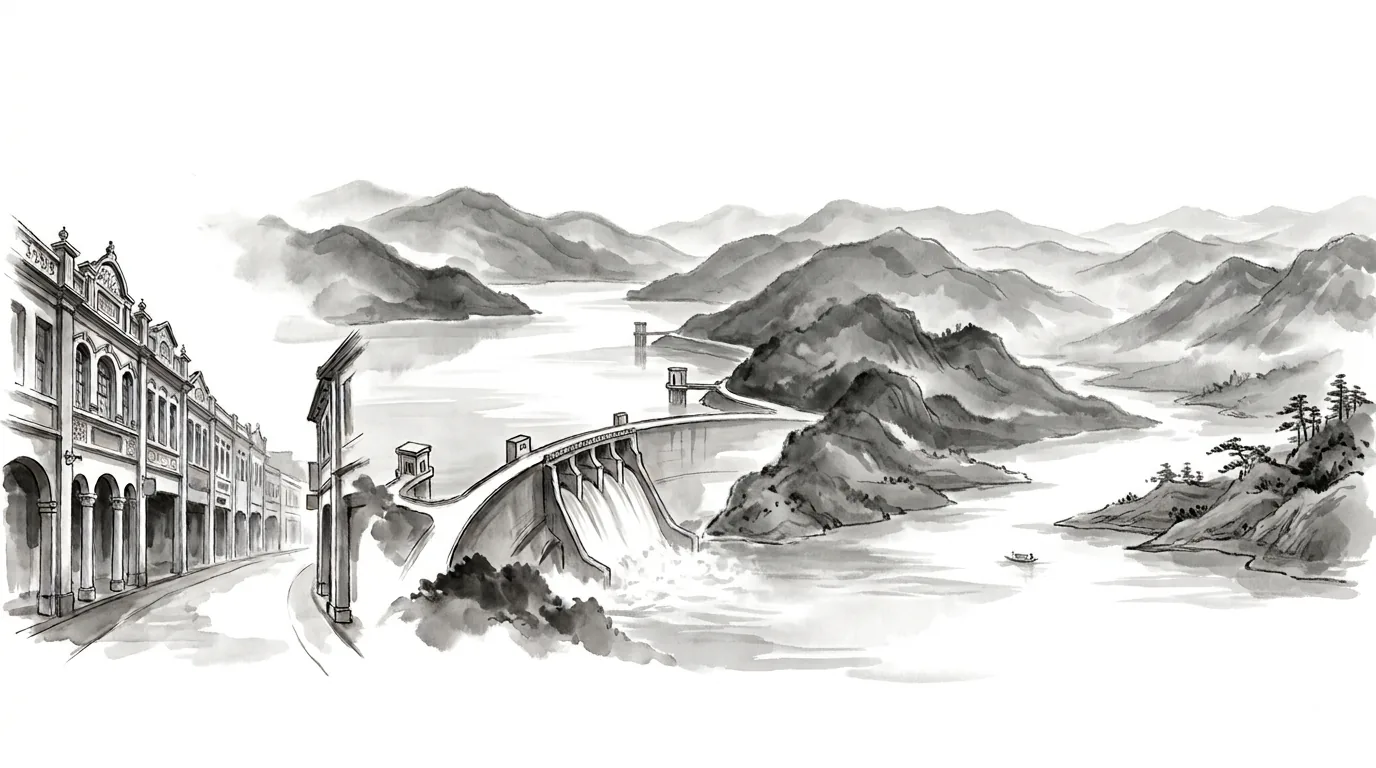
Luzhu has grown tea since the Japanese period, also for the export green trade. When those prices collapsed the growers replanted with newer cultivars and turned to Baozhong and oolong. A production group formed in 1989 and did well in competitions, which is how the name got out. In August 1996 Lee Teng-hui tasted it and settled on the name Lufeng, and graded packaging came in at the same time. The ground is the Linkou terrace — low, but the laterite drains well. Six hectares remained in 2019.
These figures will be updated if they change.
Brewing
Why this temperature
Ball-rolled oolong is tightly wound, and the first pour only reaches the outside of the pellet, so it needs water close to boiling to open at all. If it does not open, the later steeps swing between thin and heavy. The first and second steeps often take the same time or less, because the leaf does not truly unfurl until the second.
Temperatures follow the official category guidance. Source: TRES — Effects of water quality and temperature on tea liquor
Common mistakes with this tea
95°C or above. Too cool and the roast aroma never opens, leaving it flat.
Rolled-ball leaf needs the first infusion to open up; the second is then shorter.
Best drunk within two months.
The most common beginner regret is buying 600 g on the first try. Buy a jin only after you know you like it.
What to eat with it
Glutinous rice clings and the sweetness lingers on the tongue. A tea with some astringency clears it away.
This one is Taiwan-only — not available overseas
Location accuracy: township level (25.0450, 121.2920). This marks the growing area, not one specific garden.
Taoyuan Tea Region3
What there is to do here
2 routes Day trip Longtan・Yangmei
Longtan and Yangmei are cycling country. The slopes are gentle, the ponds many, and the tea gardens sit between fish ponds and farms, so you can stop often. This is also one of the districts that makes Oriental Beauty.