 Pengfeng Tea (Oriental Beauty)
Pengfeng Tea (Oriental Beauty)
Where to buy it
Flavour
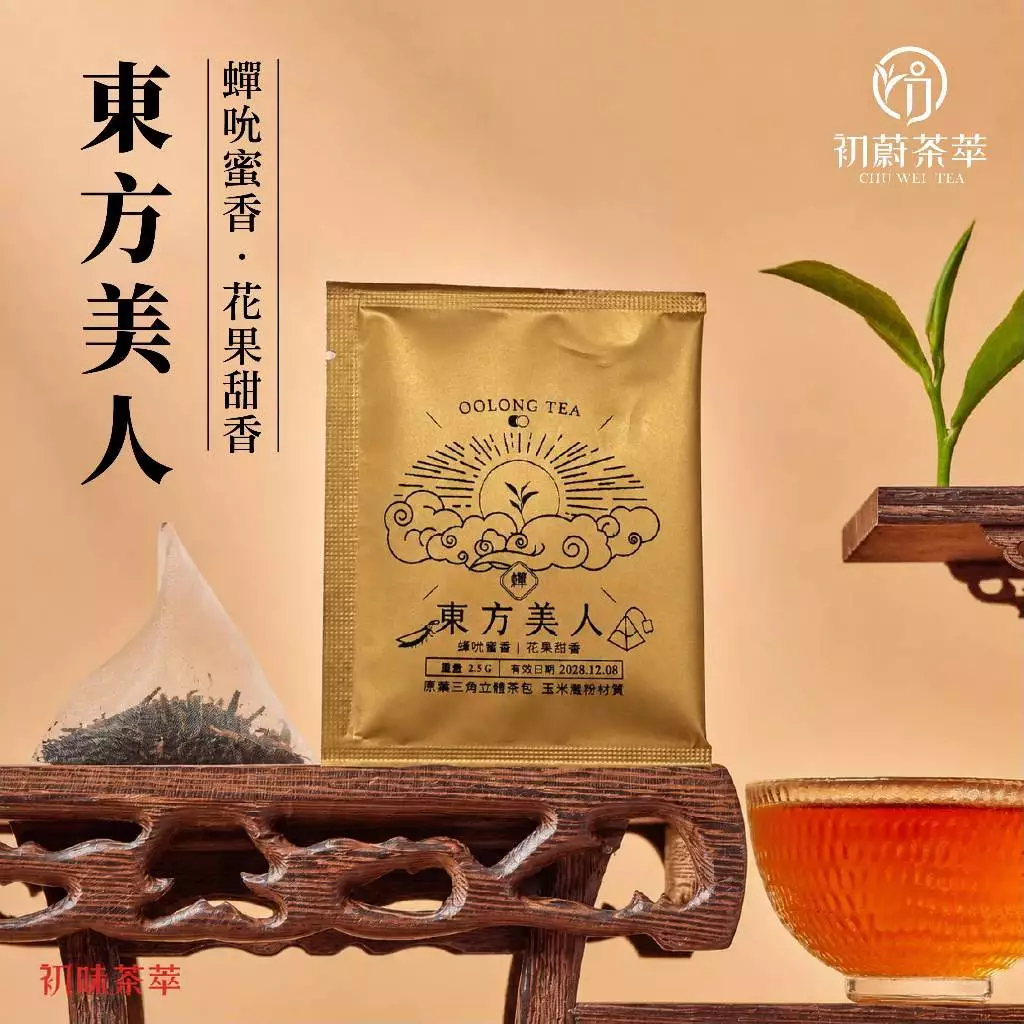
Honey and ripe fruit with pronounced white tips
The same tea as Oriental Beauty under a different name. Pengfeng is Taiwanese for talking big — the story goes that a grower sold insect-bitten leaf for far above the going rate, and nobody back home believed him.
It needs the same leafhopper bites for its honey note, the same unsprayed garden, the same single window around the Grain in Ear term.
Toufen and Sanwan in Miaoli, Beipu and Emei in Hsinchu are the main producers. A river apart, and the method is identical.
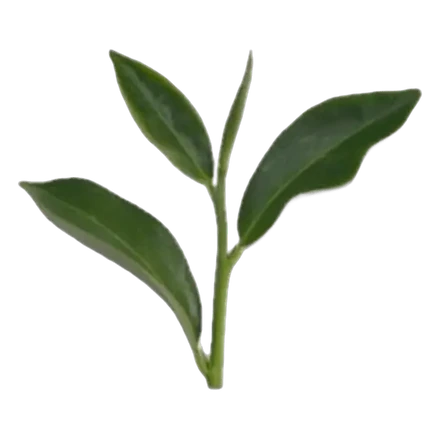
Two things to check first: obvious white down on the bud tips, and an orange-red liquor.
Fair priceverified
One jin is 600 g. Below NT$1,200, be sceptical.
A reasonable range is NT$1,600–3,500 per 600 g. Below NT$1,200, ask more questions. Competition-grade lots command a large premium. Ask which association ran the competition, which year, and for the seal.
What to ask when buying this
Grading standards differ between associations, so awards are not comparable across competitions. Genuine lots come with a seal and certificate.
Late May to early June gives the best quality and highest price; July to September drops in both.
Real honey aroma comes from insect bites and is summer-only. What you find in winter is usually old stock.
Spring and winter lots fetch the highest prices and the best aroma; summer and autumn are a step down in both.
Specifications
About the origin
Pengfeng is Taiwanese for talking big. In 1932 Jiang Rui-chang, a Beipu grower who had long been trying to make a finer oolong, gathered leaf that had been bitten by leafhoppers and worked it anyway. What came out carried an unexpected honey and fruit note. He picked out two catties and sent them to a tea exposition in Taipei, where the colonial government bought the lot for two hundred yen. When word got back to Beipu nobody believed him — they laughed and called it pengfeng. It turned out to be true, and he has been called the father of pengfeng tea ever since. The account comes from his son Jiang Wei-cheng, recorded in a book of Deng Nan-guang's photographs.
These figures will be updated if they change.
Brewing
Why this temperature
Oriental Beauty is heavily oxidised, and what it wants is roundness — honey against a soft fruit acidity. Water that is too hot pushes that acidity into a point. Keep it at 80–90 °C and let the sweetness come first. It is also the best candidate for cold brewing: cold water extracts slowly, and the honey note comes through clean.
Temperatures follow the official category guidance. Source: TRES — Effects of water quality and temperature on tea liquor
Common mistakes with this tea
Above 90°C it turns bitter and astringent. This is the single most common first-time mistake.
Best drunk within two months.
The most common beginner regret is buying 600 g on the first try. Buy a jin only after you know you like it.
What to eat with it
A dense, creamy sweet needs a tea with comparable body. A light fragrant tea reads as thin beside it.
This one is Taiwan-only — not available overseas
Here are the closest teas we can actually ship you:
Oriental BeautyBeipu & Emei 400 m Honey Ripe Fruit1.6–3.5kLocation accuracy: township level (24.6880, 120.9100). This marks the growing area, not one specific garden.
Miaoli Tea Region4
What there is to do here
4 routes Day trip Toufen・Shitan・Sanyi・Tongluo: Jiuhu
Miaoli’s tea grows alongside silkworms, woodcarving and tung blossom. Laoqi in Toufen has a whole graded set of trails from twenty minutes to two hours — pick by how much walking you want. Shitan has a tea street, Sanxia has the April snow.