 Tongluo Jiuhu Terrace Oolong
Where to buy it
Flavour
Light and clean, with a herbal note
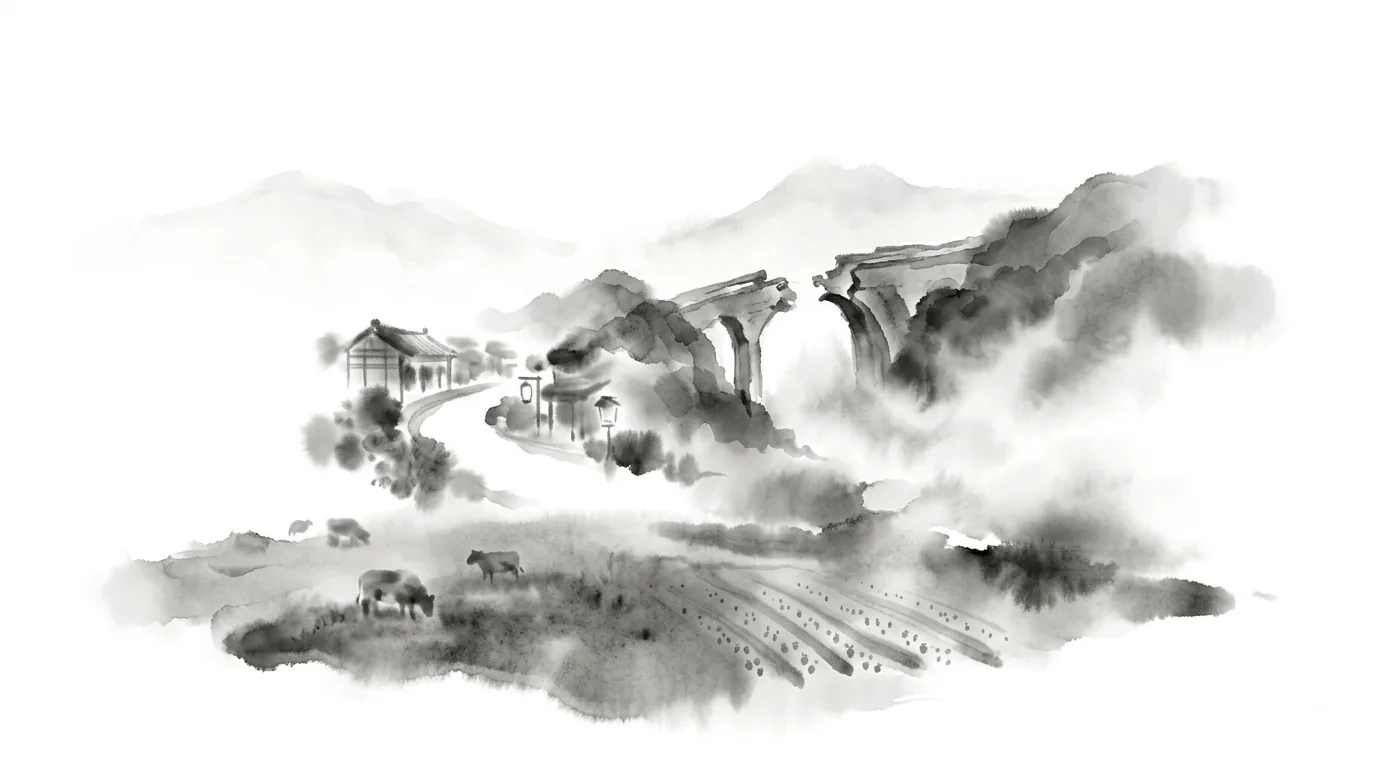
The Jiuhu terrace at Tongluo is around 200 metres, and one district grows three varieties side by side: Qingxin Oolong, Jinxuan and Sijichun.
There are four pickings a year, one of which is called liuyuebai — the sixth lunar month crop. Hot weather, fast growth, thin leaf, and a light, herbaceous result. You rarely hear the term outside Miaoli.
Three varieties across four seasons means one garden can produce a great many teas. That is how a small district survives: on many products at once.
⚠️ Ask about variety and season together. You only know what you are holding once you have both answers.
Fair priceestimated
One jin is 600 g. Below NT$300, be sceptical.
A reasonable range is NT$400–800 per 600 g. Below NT$300, ask more questions. This figure is an estimate from comparable districts, not a checked listing.
What to ask when buying this
Grading standards differ between associations, so awards are not comparable across competitions. Genuine lots come with a seal and certificate.
This price range is estimated from nearby regions and elevation and has not been verified, so compare for yourself.
Spring and winter lots fetch the highest prices and the best aroma; summer and autumn are a step down in both.
If they will not let you taste but want you to buy 600 g of something expensive, walk away. It is the simplest and most effective filter there is.
Specifications
About the origin
The Jiuhu terrace sits between a hundred and forty and two hundred and fifty metres, low ground shading into foothill. Four pickings a year: spring, summer, the June-white, and winter. Besides the Qingxin Damo that goes into Oriental Beauty, the oolong here is Qingxin Oolong, Jin Xuan and Sijichun, with some old seed-grown bushes worked without chemicals. **The spread of prices under one place name is very wide** — bulk tea and old-bush handwork are not the same thing.
These figures will be updated if they change.
Brewing
Why this temperature
Ball-rolled oolong is tightly wound, and the first pour only reaches the outside of the pellet, so it needs water close to boiling to open at all. If it does not open, the later steeps swing between thin and heavy. The first and second steeps often take the same time or less, because the leaf does not truly unfurl until the second.
Temperatures follow the official category guidance. Source: TRES — Effects of water quality and temperature on tea liquor
Common mistakes with this tea
95°C or above. Too cool and the roast aroma never opens, leaving it flat.
Best drunk within two months.
The most common beginner regret is buying 600 g on the first try. Buy a jin only after you know you like it.
What to eat with it
A chilled jelly has almost no flavour of its own; a heavily roasted tea would bury it. A fragrant, lightly oxidised tea lifts it instead.
This one is Taiwan-only — not available overseas
Location accuracy: township level (24.4590, 120.7740). This marks the growing area, not one specific garden.
Miaoli Tea Region4
What there is to do here
4 routes Day trip Toufen・Shitan・Sanyi・Tongluo: Jiuhu
Miaoli’s tea grows alongside silkworms, woodcarving and tung blossom. Laoqi in Toufen has a whole graded set of trails from twenty minutes to two hours — pick by how much walking you want. Shitan has a tea street, Sanxia has the April snow.