 Tongtou
Tongtou
Flavour
Light-fragrance style
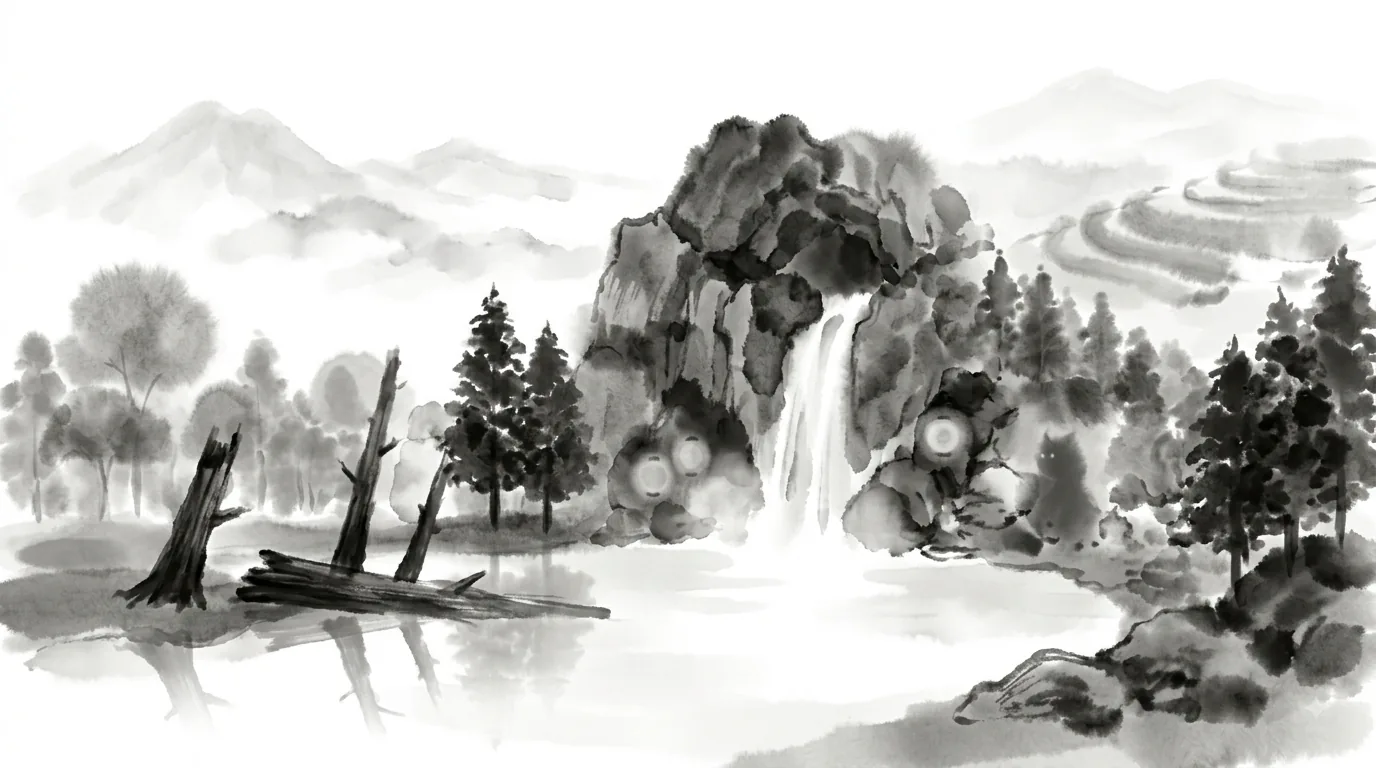
Tongtou is at 750 metres, surrounded by old forest.
Forest floors build a thick layer of leaf litter, and the soil is rich in organic matter. Organic matter holds both water and nutrients, so the roots do not have to drive deep to find food — a clear advantage where rainfall is uneven through the year.
Mist sits on the hills year-round and the day-night swing is wide.
Oxidation two, firing two. Bitterness turning sweet, with cedar inside the cold mineral note. Tea from this altitude band is moderately priced and suits everyday drinking; there is no need to save it for guests.
Fair priceverified
One jin is 600 g. Below NT$400, be sceptical.
A reasonable range is NT$700–1,500 per 600 g. Below NT$400, ask more questions.
What to ask when buying this
Spring and winter lots fetch the highest prices and the best aroma; summer and autumn are a step down in both.
If they will not let you taste but want you to buy 600 g of something expensive, walk away. It is the simplest and most effective filter there is.
A scannable producer record beats any verbal assurance.
Production date, expiry, origin of raw material, seller name and phone — if any is missing, do not buy.
Specifications
About the origin
In Zhushan Township, Nantou, part of the wider Zhushan area — around 2,000 ha in total, and productive.
These figures will be updated if they change.
Brewing
Why this temperature
Ball-rolled oolong is tightly wound, and the first pour only reaches the outside of the pellet, so it needs water close to boiling to open at all. If it does not open, the later steeps swing between thin and heavy. The first and second steeps often take the same time or less, because the leaf does not truly unfurl until the second.
Temperatures follow the official category guidance. Source: TRES — Effects of water quality and temperature on tea liquor
Common mistakes with this tea
95°C or above. Too cool and the roast aroma never opens, leaving it flat.
Rolled-ball leaf needs the first infusion to open up; the second is then shorter.
Best drunk within two months.
The most common beginner regret is buying 600 g on the first try. Buy a jin only after you know you like it.
What to eat with it
Glutinous rice clings and the sweetness lingers on the tongue. A tea with some astringency clears it away.
This one is Taiwan-only — not available overseas
Location accuracy: named locality (23.6570, 120.6600). This marks the growing area, not one specific garden.
Shanlinxi Tea Region9
What there is to do here
1 routes Day trip Shanlinxi・Around Yangzaiwan and Longfengxia
Above 1,500 m, forty minutes further up the road from Lugu. This is ginkgo, moso bamboo and cloud country; tea is one thing among several here, though it is the one that keeps.