 Sanxia Biluochun Green Tea
Sanxia Biluochun Green Tea
Where to buy it
Flavour
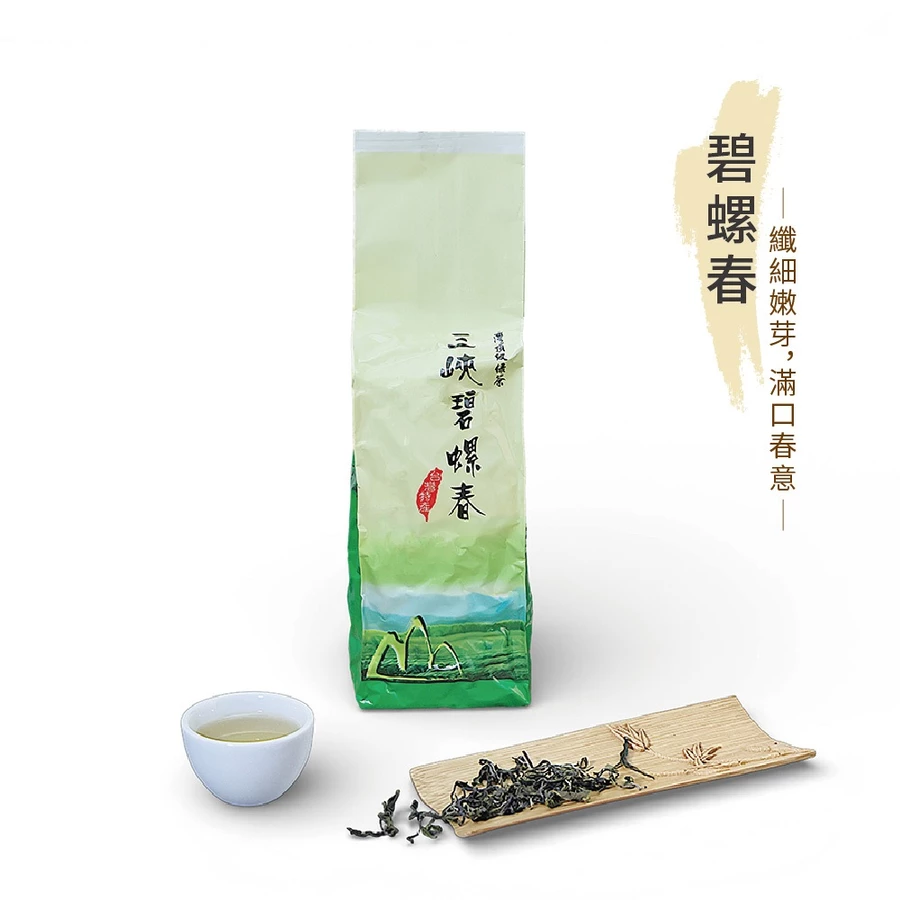
Crisp green tea with nori and bean notes
Not oxidised at all. The leaf is killed green and dried, keeping its chlorophyll and amino acids, which is why it tastes fresh and green.
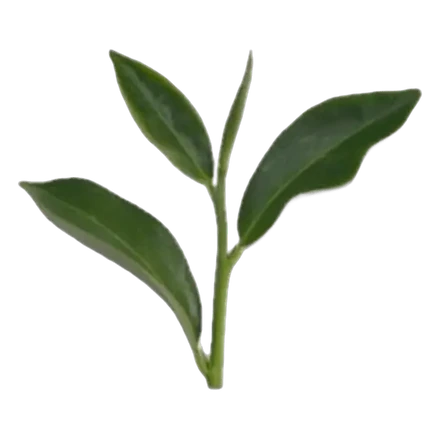
It is made from Qingxin Ganzai, a variety found almost nowhere but Sanxia, heavy with white down — the dry leaf looks faintly furred.
⚠️ Keep the water down: 80–85 °C. Boiling water cooks it, the liquor yellows and the taste turns bitter.
Do not rinse the leaf either. A green tea gives its best aroma on the first steep; pouring that away throws out the best of it.
Fair priceverified
One jin is 600 g. Below NT$1,200, be sceptical.
A reasonable range is NT$1,400–2,400 per 600 g. Below NT$1,200, ask more questions. Competition-grade lots command a large premium. Ask which association ran the competition, which year, and for the seal. Green tea must be refrigerated and is best within six months. Check the production date.
What to ask when buying this
Grading standards differ between associations, so awards are not comparable across competitions. Genuine lots come with a seal and certificate.
Green tea is best within six months and must be refrigerated. Three months at room temperature and it is gone.
Spring and winter lots fetch the highest prices and the best aroma; summer and autumn are a step down in both.
If they will not let you taste but want you to buy 600 g of something expensive, walk away. It is the simplest and most effective filter there is.
Specifications
About the origin
The first gardens in Sanxia were planted by the Japanese Mitsui company, and what they made then was black tea. Green tea only became the local mainstay in the 1990s, when the Sanxia farmers' association began promoting Biluochun. It left Sanxia as the one district in Taiwan built on green tea. Green tea took hold here because of who arrived after 1945: families who drank green tea at home. Sanxia, Yingge and Shulin turned to pan-fired green, known then as Haishan green. The name changed later, when the aroma reminded people of Biluochun from Jiangsu.
These figures will be updated if they change.
Brewing
Why this temperature
Green tea is unoxidised, so its polyphenols are still intact in the leaf. Hot water pulls the bitterness out before the aroma, and then buries it. Keep the water at 80–90 °C, and do not rinse the leaf: that first pour washes away the freshest part.
Temperatures follow the official category guidance. Source: TRES — Effects of water quality and temperature on tea liquor
Common mistakes with this tea
Above 90°C it turns bitter and astringent. This is the single most common first-time mistake.
The window for temperature and timing is narrow. On your first try use slightly less leaf and shorter steeps.
Three months at room temperature and green tea is gone.
The most common beginner regret is buying 600 g on the first try. Buy a jin only after you know you like it.
What to eat with it
A chilled jelly has almost no flavour of its own; a heavily roasted tea would bury it. A fragrant, lightly oxidised tea lifts it instead.
This one is Taiwan-only — not available overseas
Location accuracy: township level (24.9340, 121.3690). This marks the growing area, not one specific garden.
New Taipei Tea Region6
What there is to do here
4 routes Day trip Pinglin・Shiding・Sanxia
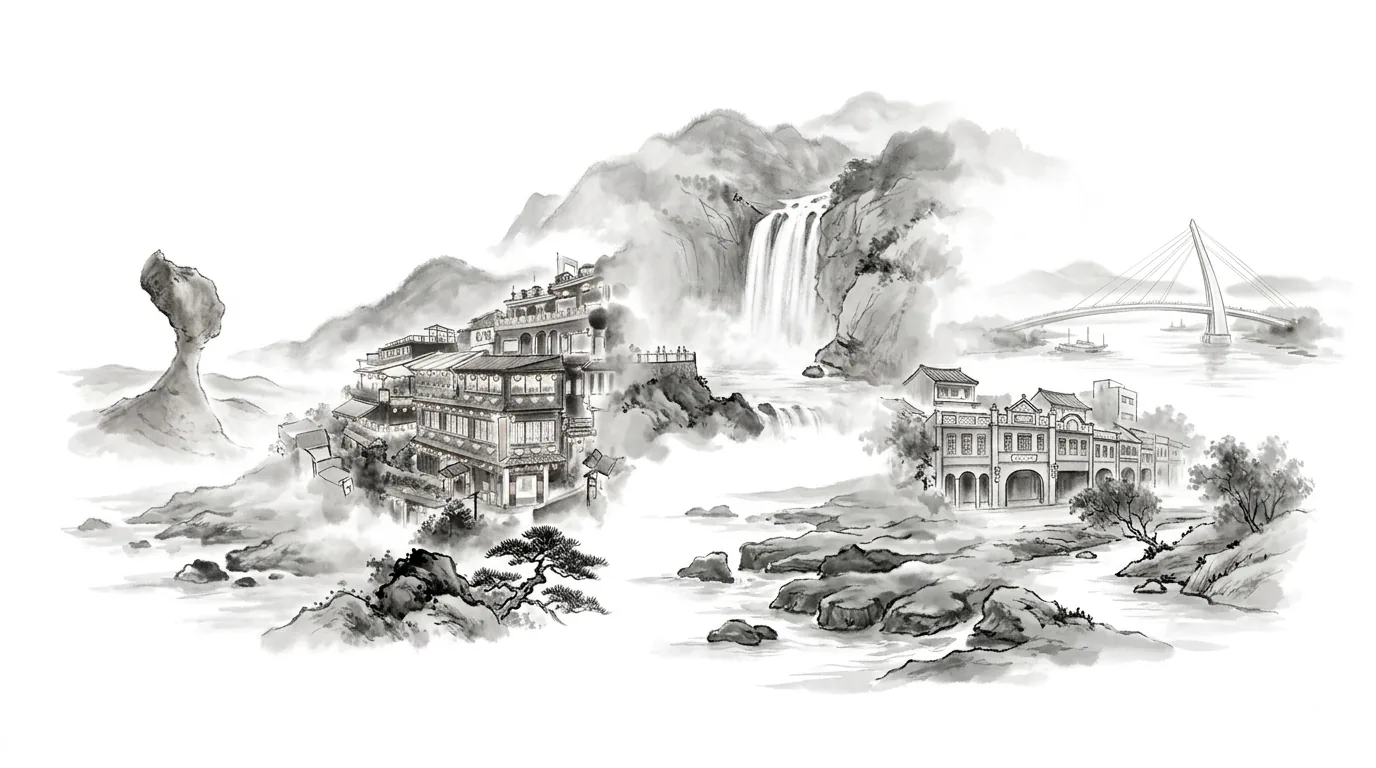
You can be standing in pouchong country a little over an hour after leaving Taipei Main Station. Pinglin has the museum, the river and trails you can finish in an afternoon; Shiding’s old street is built out over the water; Sanxia makes a green tea unlike anywhere else. All three work as day trips.