 Dongshan Suxin Tea
Dongshan Suxin Tea
Where to buy it
Flavour
Delicate aroma, mellow and sweet
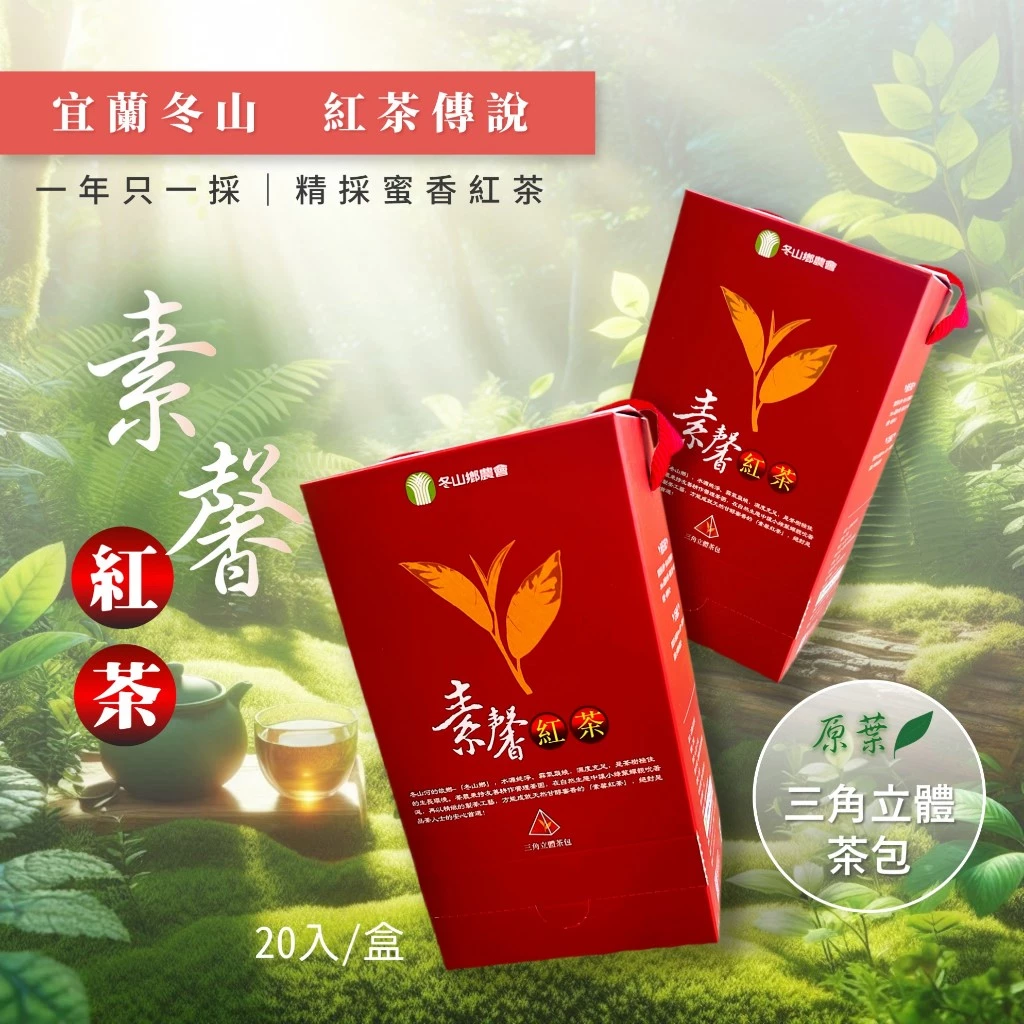
Dongshan Suxin tea comes from Dongshan in Yilan at around 300 metres, named in 1984 by Chiang Yen-shih.
Yilan's difficulty is rain. Annual rainfall often exceeds 2,500 millimetres, and the winter northeast monsoon brings long spells of it: little sun, high humidity. Where it rains, leaf carries more water, withering takes longer, and more of it goes wrong.
So Yilan's output is small and its reputation modest, though what is made well has real character. Hard conditions force technique.
Oxidation two, firing two. Clear, bright liquor, a quiet aroma with flower and fruit, sweet and smooth in the throat.
Fair priceestimated
One jin is 600 g. Below NT$500, be sceptical.
A reasonable range is NT$900–2,000 per 600 g. Below NT$500, ask more questions. This range is estimated from nearby regions and elevation; it has not been verified against listed prices.
What to ask when buying this
This price range is estimated from nearby regions and elevation and has not been verified, so compare for yourself.
Spring and winter lots fetch the highest prices and the best aroma; summer and autumn are a step down in both.
If they will not let you taste but want you to buy 600 g of something expensive, walk away. It is the simplest and most effective filter there is.
A scannable producer record beats any verbal assurance.
Specifications
About the origin
Dongshan is hill country, and most people here lived by tea. Until about 1981 it made export tea in quantity, like Shiding and Pinglin; then the currency rose, wages rose, the factories stopped covering their costs, and both exports and output fell away. The place needed to become something else. The turn came in the autumn of 1984, when Chiang Yen-shih, former secretary-general of the presidential office, drank tea here, found it plain and fragrant in a way he liked, and named it Suxin. Dongshan tea has sold under that name since.
These figures will be updated if they change.
Brewing
Why this temperature
Ball-rolled oolong is tightly wound, and the first pour only reaches the outside of the pellet, so it needs water close to boiling to open at all. If it does not open, the later steeps swing between thin and heavy. The first and second steeps often take the same time or less, because the leaf does not truly unfurl until the second.
Temperatures follow the official category guidance. Source: TRES — Effects of water quality and temperature on tea liquor
Common mistakes with this tea
95°C or above. Too cool and the roast aroma never opens, leaving it flat.
Rolled-ball leaf needs the first infusion to open up; the second is then shorter.
Best drunk within two months.
The most common beginner regret is buying 600 g on the first try. Buy a jin only after you know you like it.
What to eat with it
Glutinous rice clings and the sweetness lingers on the tongue. A tea with some astringency clears it away.
This one is Taiwan-only — not available overseas
Location accuracy: township level (24.6340, 121.7920). This marks the growing area, not one specific garden.
Lanyang Tea Region4
What there is to do here
2 routes Day trip Datong: Yulan・Dongshan: Zhongshan
Yilan grows its tea low — Yulan at around 150 m, Dongshan under 500. Low does not mean lesser: the rain and humidity here make a tender leaf and a delicate, high-toned aroma. An hour from Taipei through the Xueshan tunnel.