 Shenmu Tea
Shenmu Tea
Where to buy it
Flavour
Delicate aroma, mellow and sweet
Shenmu village is at around 1,300 metres. Typhoon Herb caused severe debris flows here in 1996, later typhoons scoured the same ground again, and part of the village has since been relocated.
This is the reality of mountain agriculture in Taiwan: clearing steep slopes, planting in catchments and debris flows are directly connected. Over the past twenty years the government has progressively restricted hillside use, and some high-altitude gardens are no longer legal.
⚠️ When buying high-mountain tea, it is fair to ask whether the garden is on registered farmland.
Unfired. Clear honey-yellow, woody with light orchid, mellow and long in the throat.
Fair priceverified
One jin is 600 g. Below NT$1,200, be sceptical.
A reasonable range is NT$1,800–3,600 per 600 g. Below NT$1,200, ask more questions. Competition-grade lots command a large premium. Ask which association ran the competition, which year, and for the seal.
What to ask when buying this
One region can span 700 m to 1,700 m, with several times the price difference. The same name does not mean the same grade.
Grading standards differ between associations, so awards are not comparable across competitions. Genuine lots come with a seal and certificate.
Spring and winter lots fetch the highest prices and the best aroma; summer and autumn are a step down in both.
If they will not let you taste but want you to buy 600 g of something expensive, walk away. It is the simplest and most effective filter there is.
Specifications
About the origin
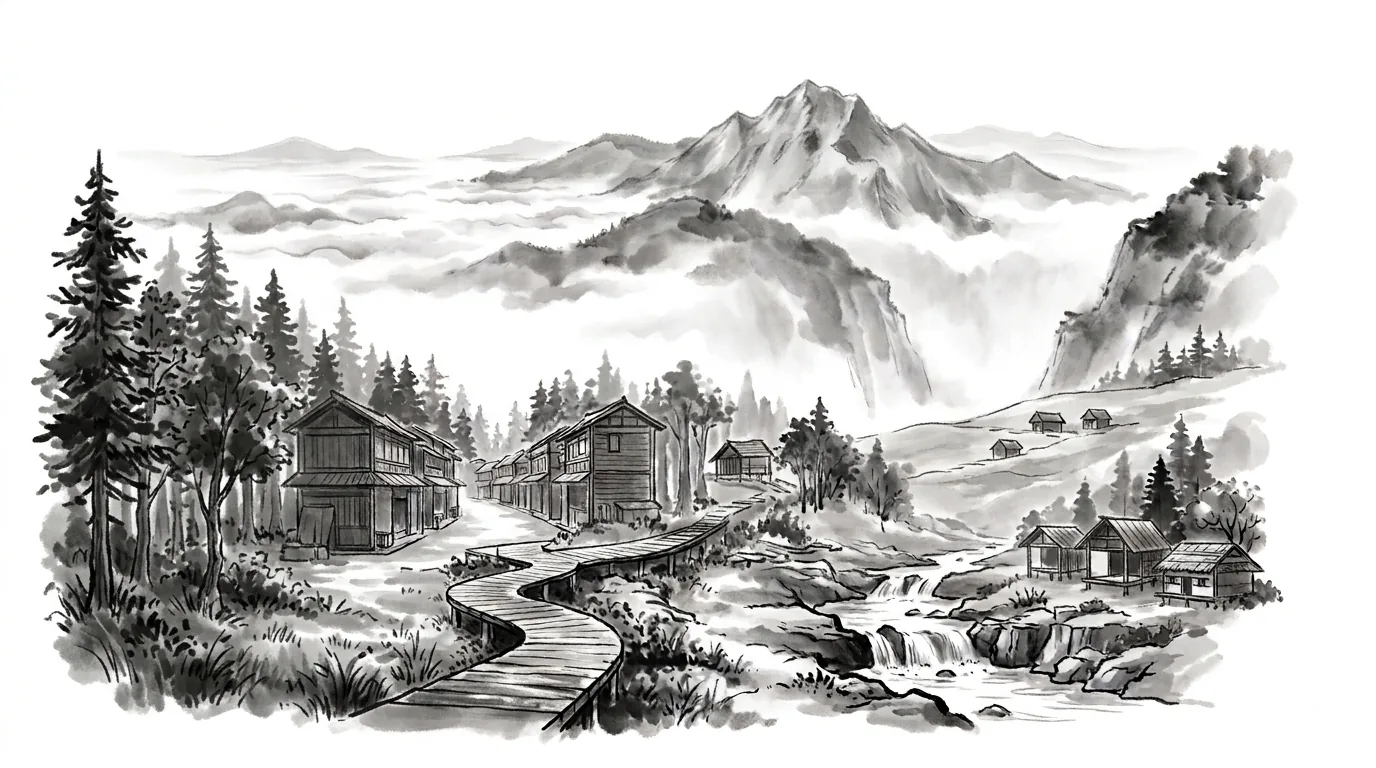
Shenmu tea comes from the Shenmu Village area on Yushan in Xinyi Township, Nantou, at 1,200–1,800 m — a rare top-end high-mountain oolong.
Climate: at the heart of the Yushan range, with wide day-night swings and constant cloud, so the bush grows slowly.
Ecology: hemmed in by terrain and hard to develop, the old forest is largely intact and the yield small.
Character: warm and smooth with sweet water, a rich distinctive finish and the air of the mountain in it.
These figures will be updated if they change.
Brewing
Why this temperature
Ball-rolled oolong is tightly wound, and the first pour only reaches the outside of the pellet, so it needs water close to boiling to open at all. If it does not open, the later steeps swing between thin and heavy. The first and second steeps often take the same time or less, because the leaf does not truly unfurl until the second.
Temperatures follow the official category guidance. Source: TRES — Effects of water quality and temperature on tea liquor
Common mistakes with this tea
95°C or above. Too cool and the roast aroma never opens, leaving it flat.
Rolled-ball leaf needs the first infusion to open up; the second is then shorter.
Best drunk within two months.
The most common beginner regret is buying 600 g on the first try. Buy a jin only after you know you like it.
What to eat with it
A chilled jelly has almost no flavour of its own; a heavily roasted tea would bury it. A fragrant, lightly oxidised tea lifts it instead.
This one is Taiwan-only — not available overseas
Here are the closest teas we can actually ship you:
Alishan High Mountain TeaAlishan 1700m 1700 m Milky Osmanthus2.0–4.0kLocation accuracy: named locality (23.5600, 120.8800). This marks the growing area, not one specific garden.
Yushan Tea Region9
What there is to do here
1 routes Day trip Caopingtou・Yushan visitor tea gardens
Caopingtou and the Yushan visitor gardens in Xinyi township, 1,250–1,500 m up on the flank of Jade Mountain. There is a giant teapot landmark here, and the whole run of the New Central Cross-Island Highway.