
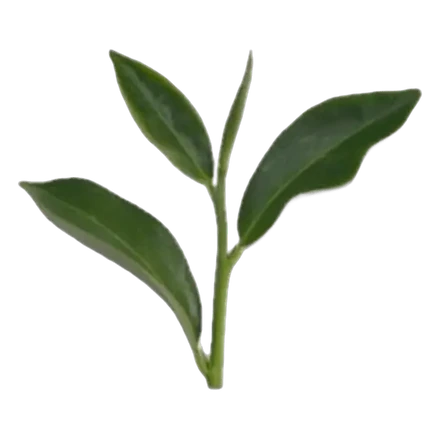
 Nangang Baozhong Tea
Nangang Baozhong Tea
Where to buy it
Flavour
Light, elegant fragrance with floral notes
Nangang is where unscented Baozhong began. In 1920 Wei Jing-shi and Wang Shui-jin taught the method here in open classes, and every Wenshan Baozhong descends from that line.
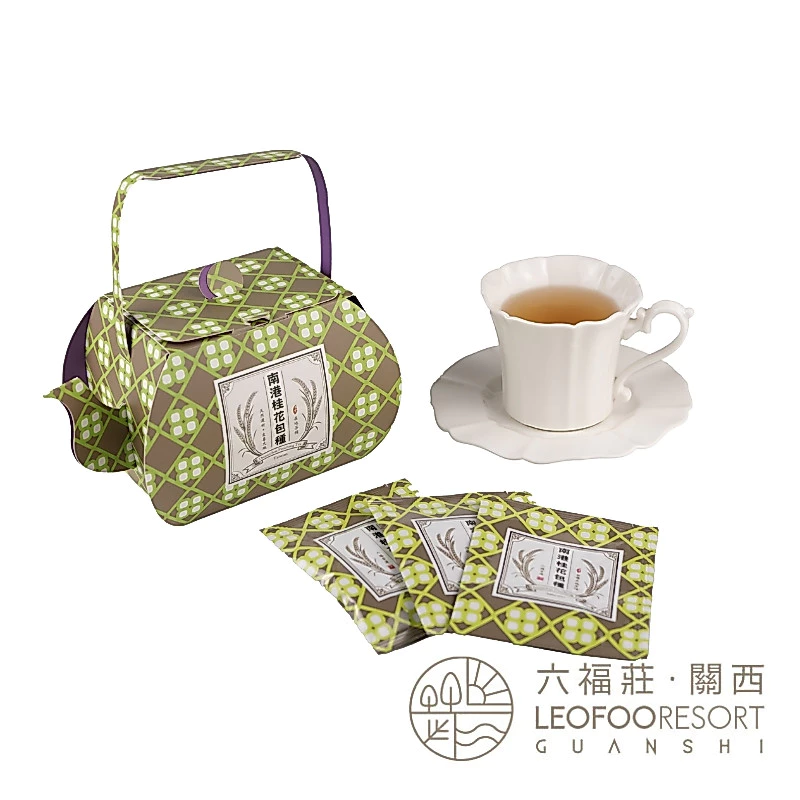
The gardens sit on the slopes off Jiuzhuang Street, with osmanthus planted around them. Tea leaf absorbs what is in the air, so a batch picked while the osmanthus is in flower smells different from the rest.
The same property works against you at home: keep the tea caddy away from soap and spices.
Twenty per cent oxidation, fired to two, twisted leaf. Pour at 90 °C and fill the pot a third.
Fair priceverified
One jin is 600 g. Below NT$500, be sceptical.
A reasonable range is NT$800–2,000 per 600 g. Below NT$500, ask more questions. Competition-grade lots command a large premium. Ask which association ran the competition, which year, and for the seal.
What to ask when buying this
Grading standards differ between associations, so awards are not comparable across competitions. Genuine lots come with a seal and certificate.
Spring and winter lots fetch the highest prices and the best aroma; summer and autumn are a step down in both.
If they will not let you taste but want you to buy 600 g of something expensive, walk away. It is the simplest and most effective filter there is.
A scannable producer record beats any verbal assurance.
Specifications
About the origin
In 1885 Wang Shui-jin and Wei Jing-shi, both from Anxi, settled in what is now the Dakeng hills of Nangang. They judged the water, soil and temperature right for tea, worked on the Baozhong method there, and taught it to their neighbours. It was the first time Baozhong was made in Taiwan at any scale. A research centre for it was later set up in Nangang, running annual courses that other districts sent people to attend — which is how Nangang became the source.
These figures will be updated if they change.
Brewing
Why this temperature
Baozhong is oxidised only about twenty per cent and barely fired, so it keeps the most floral aroma. The leaf stays in strands, so it opens fast and gives its flavour on the first steep — no need for a long one. The water can be hot, but pour it down the side of the vessel rather than straight onto the leaf.
Temperatures follow the official category guidance. Source: TRES — Effects of water quality and temperature on tea liquor
Common mistakes with this tea
90°C or above. Too cool and the roast aroma never opens, leaving it flat.
Best drunk within two months.
The most common beginner regret is buying 600 g on the first try. Buy a jin only after you know you like it.
What to eat with it
Glutinous rice clings and the sweetness lingers on the tongue. A tea with some astringency clears it away.
This one is Taiwan-only — not available overseas
Here are the closest teas we can actually ship you:
Muzha TieguanyinMuzha 325 m Ripe Fruit Fruity2.0–4.0kLocation accuracy: township level (25.0450, 121.6150). This marks the growing area, not one specific garden.
Taipei Tea Region3
What there is to do here
2 routes Day trip Maokong・Nangang
There are tea gardens inside Taipei city limits, which is reason enough to go up once. The gondola puts you on the tea hills forty minutes out of downtown; in Nangang the osmanthus flowers in autumn and the whole hill road smells of it.