 Hukou Chang'an Tea
Hukou Chang'an Tea
Flavour
Light-fragrance oolong
The Hukou terrace sits at a hundred metres, one of the lowest tea districts in Hsinchu. Low ground plus the northwest monsoon means fast growth and a thinner cup, so the style is light oxidation and light firing, working with what the place gives.
This coastal strip once produced export tea, both black and green. After the export market collapsed in the 1970s much of the acreage went, and what survived mostly turned to selling its own crop directly.
Which is why tea from here is hard to find in major retail; you generally buy from the grower.
⚠️ A light tea loses aroma quickly once opened. Finish it in two or three months.
Fair priceestimated
One jin is 600 g. Below NT$400, be sceptical.
A reasonable range is NT$700–1,500 per 600 g. Below NT$400, ask more questions. This range is estimated from nearby regions and elevation; it has not been verified against listed prices.
What to ask when buying this
This price range is estimated from nearby regions and elevation and has not been verified, so compare for yourself.
Spring and winter lots fetch the highest prices and the best aroma; summer and autumn are a step down in both.
If they will not let you taste but want you to buy 600 g of something expensive, walk away. It is the simplest and most effective filter there is.
A scannable producer record beats any verbal assurance.
Specifications
About the origin
Between 1971 and 1991 the Chang-an, Hunan, Hujing and Yangxi areas of Hukou were covered in gardens — Chang-an alone had more than seventy processing sheds, making rolled oolong and Baozhong. The tea takes its name from that place.
These figures will be updated if they change.
Brewing
Why this temperature
Ball-rolled oolong is tightly wound, and the first pour only reaches the outside of the pellet, so it needs water close to boiling to open at all. If it does not open, the later steeps swing between thin and heavy. The first and second steeps often take the same time or less, because the leaf does not truly unfurl until the second.
Temperatures follow the official category guidance. Source: TRES — Effects of water quality and temperature on tea liquor
Common mistakes with this tea
95°C or above. Too cool and the roast aroma never opens, leaving it flat.
Rolled-ball leaf needs the first infusion to open up; the second is then shorter.
Best drunk within two months.
The most common beginner regret is buying 600 g on the first try. Buy a jin only after you know you like it.
What to eat with it
Glutinous rice clings and the sweetness lingers on the tongue. A tea with some astringency clears it away.
This one is Taiwan-only — not available overseas
Here are the closest teas we can actually ship you:
Oriental BeautyBeipu & Emei 400 m Honey Ripe Fruit1.6–3.5kLocation accuracy: township level (24.9030, 121.0430). This marks the growing area, not one specific garden.
Hsinchu Tea Region2
What there is to do here
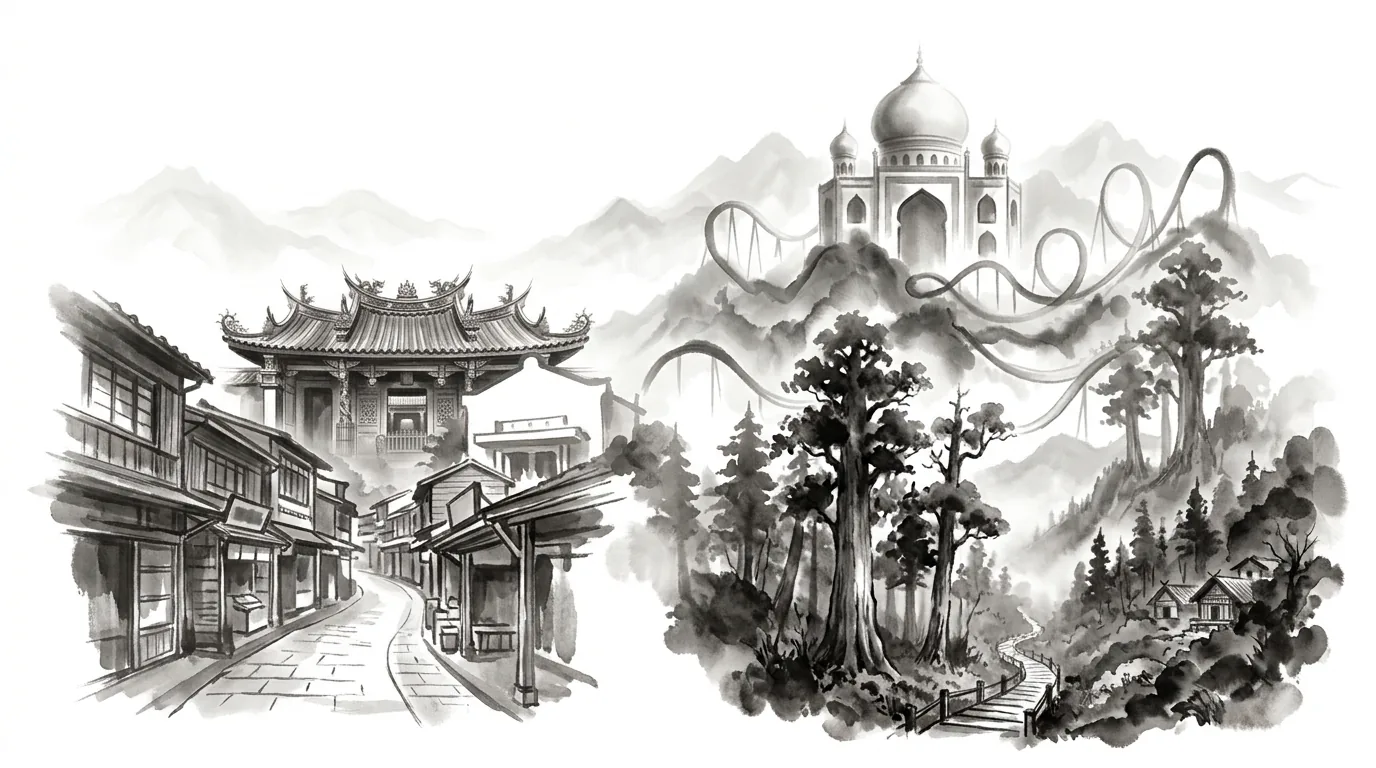
2 routes Day trip Beipu・Emei
The home of Oriental Beauty. Beipu and Emei sit either side of a hill: Beipu sells, Emei grows, a division settled since the 1990s. Old streets, heritage houses, pounded tea, tung blossom, fireflies, dried persimmons — something is happening here all year.