 Luye Red Oolong
Luye Red Oolong
Where to buy it
Flavour
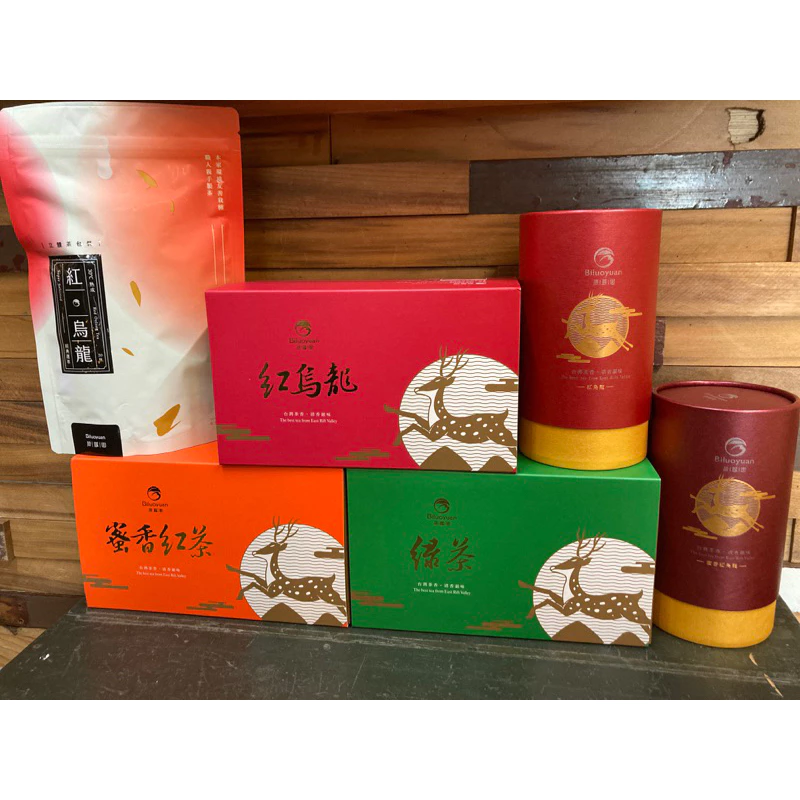
Ripe fruit and honey; the liquor glows red like black tea
A new category worked out around Taitung's Luye in 2008.
The oxidation is pushed to about seventy-five per cent, the highest of any oolong, and then it is fired hard. That is why the liquor is as red as a black tea while the tea underneath is still an oolong.
It is made from summer and autumn leaf: Taitung's biggest crops, and historically its cheapest. Red oolong turned the cheapest raw material in the district into something with a name.
It takes many steeps and stays smooth when cold, which makes it good for cold brewing and for carrying around.
Fair priceverified
One jin is 600 g. Below NT$800, be sceptical.
A reasonable range is NT$1,500–3,500 per 600 g. Below NT$800, ask more questions. Competition-grade lots command a large premium. Ask which association ran the competition, which year, and for the seal.
What to ask when buying this
Grading standards differ between associations, so awards are not comparable across competitions. Genuine lots come with a seal and certificate.
Freshly roasted tea carries harsh fire; two weeks of rest makes it rounder. You can also ask whether it has been re-roasted.
Real honey aroma comes from insect bites and is summer-only. What you find in winter is usually old stock.
Spring and winter lots fetch the highest prices and the best aroma; summer and autumn are a step down in both.
Specifications
About the origin
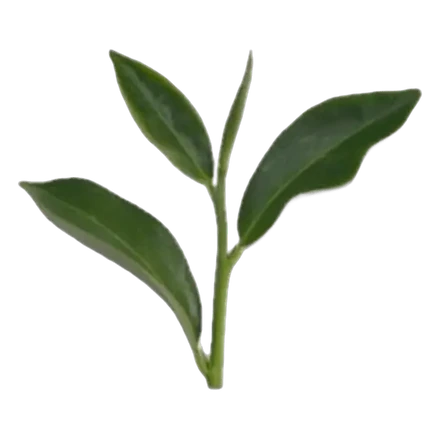
Red Oolong was created in Luye, Taitung: oxidation pushed as far as any oolong goes, then a heavy roast on top. It is one Taiwan invented recently. Luye had the groundwork for it. The area once planted large-leaf Assam for black tea, so the feel for deep oxidation was already in hand. Red oolong grafts that oxidation onto the oolong sequence of tumbling and fixing, and the polyphenols built up in the summer and autumn heat are exactly what it needs.
These figures will be updated if they change.
Brewing
Why this temperature
Red oolong is the most oxidised oolong there is, with a heavy roast on top, so it wants both: hot water and a short steep. It holds up over many infusions, and it does not turn astringent as it cools — of these categories it is the one to take out with you.
Temperatures follow the official category guidance. Source: TRES — Effects of water quality and temperature on tea liquor
Common mistakes with this tea
95°C or above. Too cool and the roast aroma never opens, leaving it flat.
Rolled-ball leaf needs the first infusion to open up; the second is then shorter.
A freshly bought heavy roast rounds out after a rest.
The most common beginner regret is buying 600 g on the first try. Buy a jin only after you know you like it.
What to eat with it
This is what the old saying “nuts with oolong” means. The roast in the nut and the roast in the tea are the same note, and they reinforce each other.
This one is Taiwan-only — not available overseas
Location accuracy: township level (22.9130, 121.1300). This marks the growing area, not one specific garden.
Taitung Tea Region3
What there is to do here
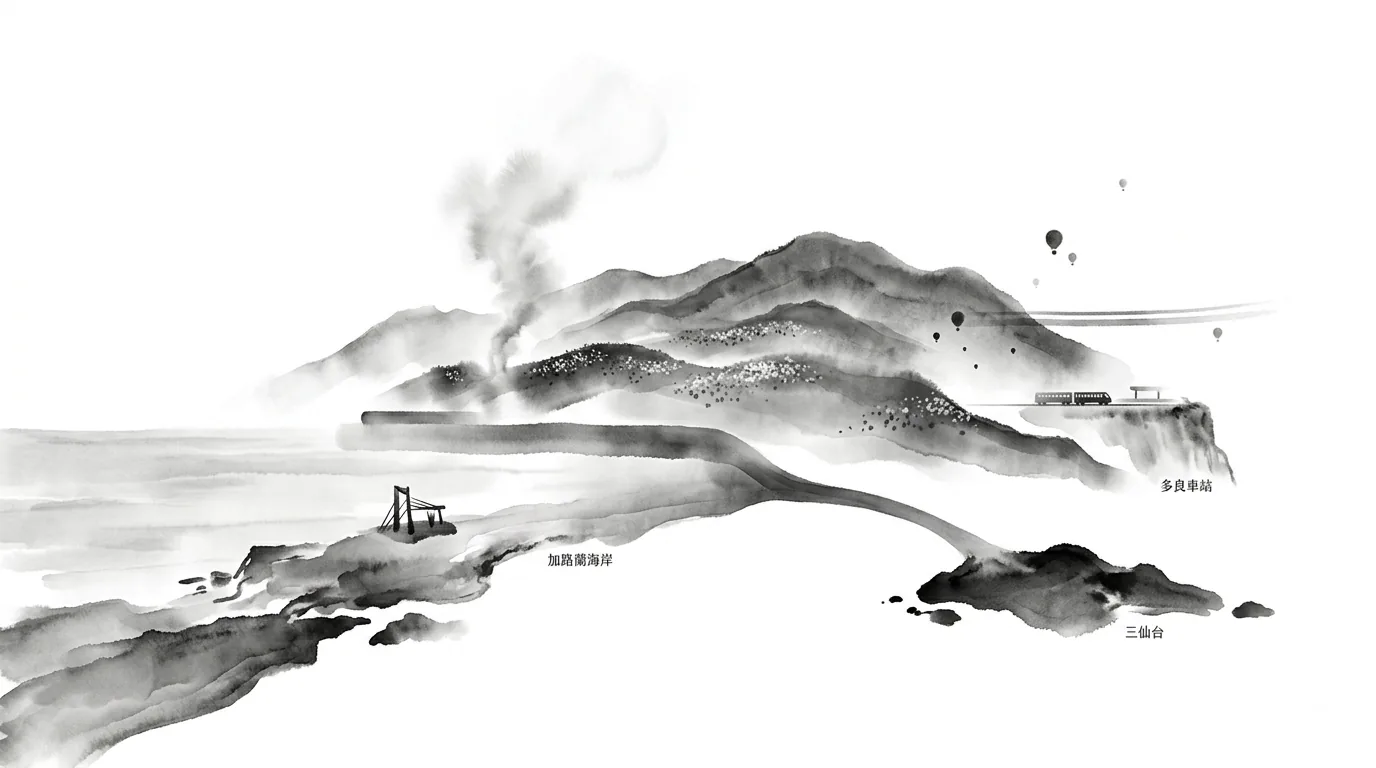
3 routes Two days possible Taimali: Jinzhenshan・Luye: Gaotai
The daylily hill at Taimali, where you drink tea looking at the Pacific. On a clear day the ridge shows you Green Island and Orchid Island. Cherry blossom in winter, fireflies in summer, hot springs at the foot of the hill.