 Lugu Dong Ding Oolong
Lugu Dong Ding Oolong
Where to buy it
Flavour
Pronounced roast aroma with a long throat finish
Medium oxidation with a medium-to-heavy roast — this is the fork between Dong Ding and high-mountain tea. High-mountain goes for fragrance; Dong Ding goes for the finish down the throat.
Bundled in cloth, rolled, then back over the fire, several times over. That is what gives the liquor its weight.
⚠️ Two things are sold as Dong Ding and they are not the same drink: the traditional red-water style (higher oxidation, heavy roast, orange-red liquor, ripe fruit) and the light style (barely oxidised, barely fired, closer to a high-mountain tea). Ask which one before you buy.
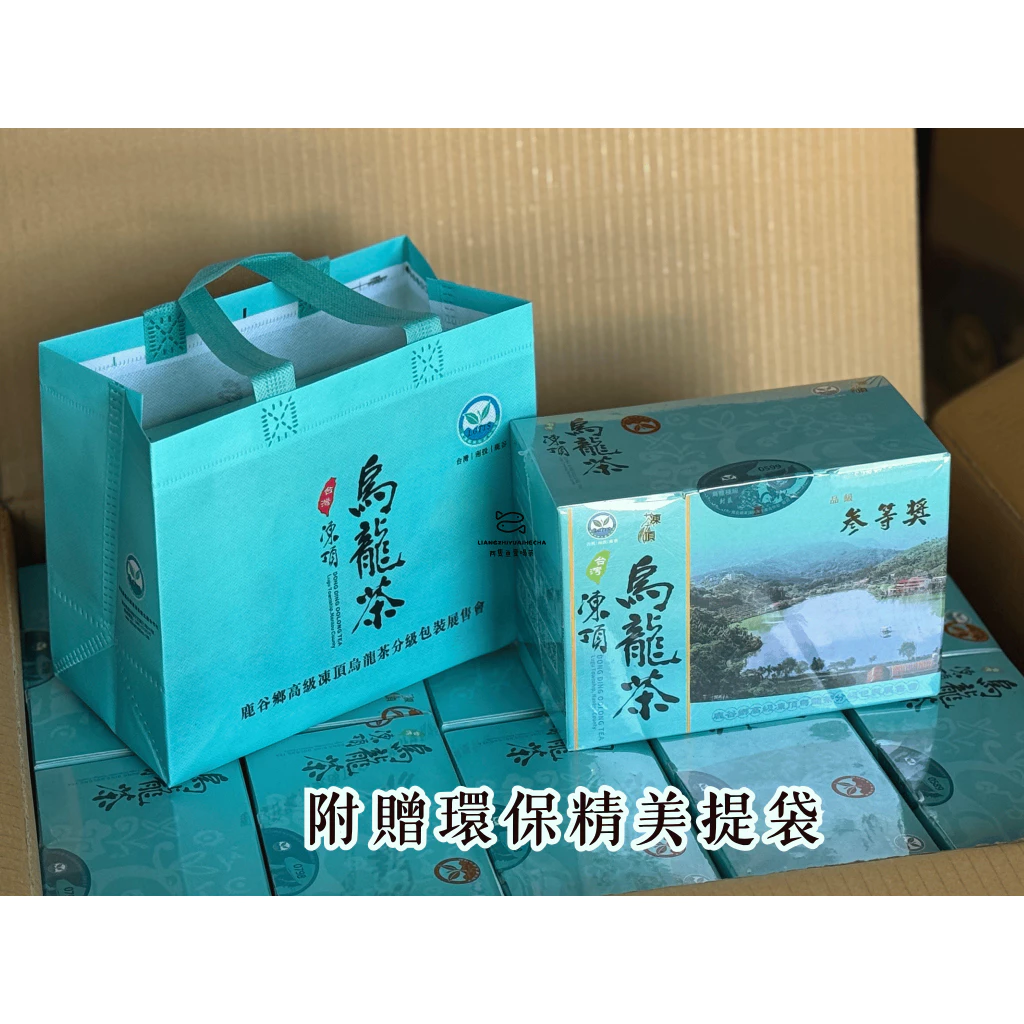
Lugu runs competitions twice a year, spring and winter. A placed lot costs several times a regular one — ask which body ran it and in what year.
Fair priceverified
One jin is 600 g. Below NT$700, be sceptical.
A reasonable range is NT$1,200–3,000 per 600 g. Below NT$700, ask more questions. Competition-grade lots command a large premium. Ask which association ran the competition, which year, and for the seal.
What to ask when buying this
Grading standards differ between associations, so awards are not comparable across competitions. Genuine lots come with a seal and certificate.
Freshly roasted tea carries harsh fire; two weeks of rest makes it rounder. You can also ask whether it has been re-roasted.
Spring and winter lots fetch the highest prices and the best aroma; summer and autumn are a step down in both.
If they will not let you taste but want you to buy 600 g of something expensive, walk away. It is the simplest and most effective filter there is.
Specifications
About the origin
The Lugu version goes like this: in 1855 Lin Feng-chi passed the imperial examination in Fujian and came home with twelve Qingxin Oolong plants from the Wuyi mountains, which he set on the slope beside Qilin Lake. Dong Ding tea starts with those twelve. By about 1974 nearly every household in Yonglong, Fenghuang and Dongding Lane was growing tea, running its own shed and selling its own leaf, and could not keep up with demand. The township office started a quality competition in 1975; the farmers' association and the Dong Ding cooperative joined the year after, and later each ran their own. Today the association, the cooperative and the Yonglong-Fenghuang community each hold one every spring and winter. Early Dongding was oxidised further than today's. After firing, the liquor turned orange-red, and it went by the name red-water oolong. When teahouses spread across Taiwan in the 1980s, Dongding was the tea most of them poured. The oxidation has eased since, but the firing is still what holds the tea together.
These figures will be updated if they change.
Brewing
Why this temperature
Ball-rolled oolong is tightly wound, and the first pour only reaches the outside of the pellet, so it needs water close to boiling to open at all. If it does not open, the later steeps swing between thin and heavy. The first and second steeps often take the same time or less, because the leaf does not truly unfurl until the second.
Temperatures follow the official category guidance. Source: TRES — Effects of water quality and temperature on tea liquor
Common mistakes with this tea
95°C or above. Too cool and the roast aroma never opens, leaving it flat.
Rolled-ball leaf needs the first infusion to open up; the second is then shorter.
A freshly bought heavy roast rounds out after a rest.
The most common beginner regret is buying 600 g on the first try. Buy a jin only after you know you like it.
What to eat with it
The fat in a flaky pastry coats the palate. The caffeine and roast in a fired tea clear it, so the second bite still tastes of something.
Location accuracy: named locality (23.7440, 120.7510). This marks the growing area, not one specific garden.
Nantou Tea Region4
What there is to do here
6 routes Two days possible Lugu・Mingjian / Songboling・Zhushan・Yuchi・Shuili・Nantou City: Houtanjing
Dongding is in Lugu, Songboling in Mingjian, the spiral gardens in Zhushan, and Sun Moon Lake black tea in Yuchi. Four places making four different teas, all within an hour of each other by car — the densest square of tea in Taiwan.