
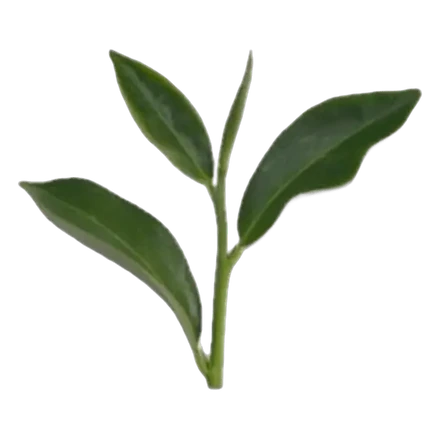
 Muzha Tieguanyin
Muzha Tieguanyin
Where to buy it
Flavour
Charcoal-roast aroma with ripe fruit and a gentle tartness
Fired to nine out of ten — the heaviest on this site. After a medium oxidation the leaf is bundled in cloth, rolled into a ball, kneaded through the cloth and set over a low charcoal fire, and the cycle is repeated.
That process files off the edges and returns ripe fruit with a faint tartness. That tartness is the mark of Tieguanyin, what old hands call the guanyin finish.
A heavily fired tea is not afraid of heat: pour at 95 °C or above. Too cool and the aroma never lifts — you are left with the char.
Straight from the roaster it carries fire. Give it two or three months to settle and you meet the tea properly.
Fair priceverified
One jin is 600 g. Below NT$900, be sceptical.
A reasonable range is NT$2,000–4,000 per 600 g. Below NT$900, ask more questions. Competition-grade lots command a large premium. Ask which association ran the competition, which year, and for the seal.
What to ask when buying this
Grading standards differ between associations, so awards are not comparable across competitions. Genuine lots come with a seal and certificate.
Freshly roasted tea carries harsh fire; two weeks of rest makes it rounder. You can also ask whether it has been re-roasted.
Zhengcong means the Hongxin Waiweitao cultivar, of which very little is grown. Most "Tieguanyin" on the market refers to the heavy-roast method, not the cultivar.
Spring and winter lots fetch the highest prices and the best aroma; summer and autumn are a step down in both.
Specifications
About the origin
In 1919 two brothers from Muzha, Zhang Nai-miao and his sibling, went to Anxi in Fujian and came back with true Tieguanyin stock, which they planted on Zhanghu hill — today's Zhinan neighbourhood. The processing knowledge took another eighteen years to follow. The soil and climate suited it, and the gardens spread to Maokong, Dailaokeng and Aquankeng. There were 187 hectares in 1997; by 2019 there were 30. The traditional method is laborious: after the first drying the leaf is bundled in cloth, rolled into a ball, kneaded through the cloth by hand, then set over a low charcoal fire, and the whole cycle repeated until the leaf tightens into that shape. Few people still do it.
These figures will be updated if they change.
Brewing
Why this temperature
Heavily fired tea needs high heat. Too cool and the roast note never lifts, leaving only a scorched flatness. Freshly fired tea carries fire, and only settles into itself after two or three months — if what you bought tastes harsh, it is usually just young.
Temperatures follow the official category guidance. Source: TRES — Effects of water quality and temperature on tea liquor
Common mistakes with this tea
95°C or above. Too cool and the roast aroma never opens, leaving it flat.
Rolled-ball leaf needs the first infusion to open up; the second is then shorter.
A freshly bought heavy roast rounds out after a rest.
The most common beginner regret is buying 600 g on the first try. Buy a jin only after you know you like it.
What to eat with it
This is what the old saying “nuts with oolong” means. The roast in the nut and the roast in the tea are the same note, and they reinforce each other.
Location accuracy: named locality (24.9680, 121.5900). This marks the growing area, not one specific garden.
Taipei Tea Region3
What there is to do here
2 routes Day trip Maokong・Nangang
There are tea gardens inside Taipei city limits, which is reason enough to go up once. The gondola puts you on the tea hills forty minutes out of downtown; in Nangang the osmanthus flowers in autumn and the whole hill road smells of it.