 Longyanlin Tea
Longyanlin Tea
Where to buy it
Flavour
Light-fragrance style
Longyanlin is at 750 metres, and tea from this height carries dried longan and ripe fruit.
Low-altitude leaf grows fast and runs high in catechins, so a light style tends to come out thin and astringent. The usual answer here is to push oxidation and firing up, converting the catechins and trading them for ripe fruit and caramel.
That is a different aesthetic altogether. High-mountain tea competes on clarity, transparency and freshness; low-altitude tea competes on body, depth and staying power. Judge the second by the standards of the first and it will always fail.
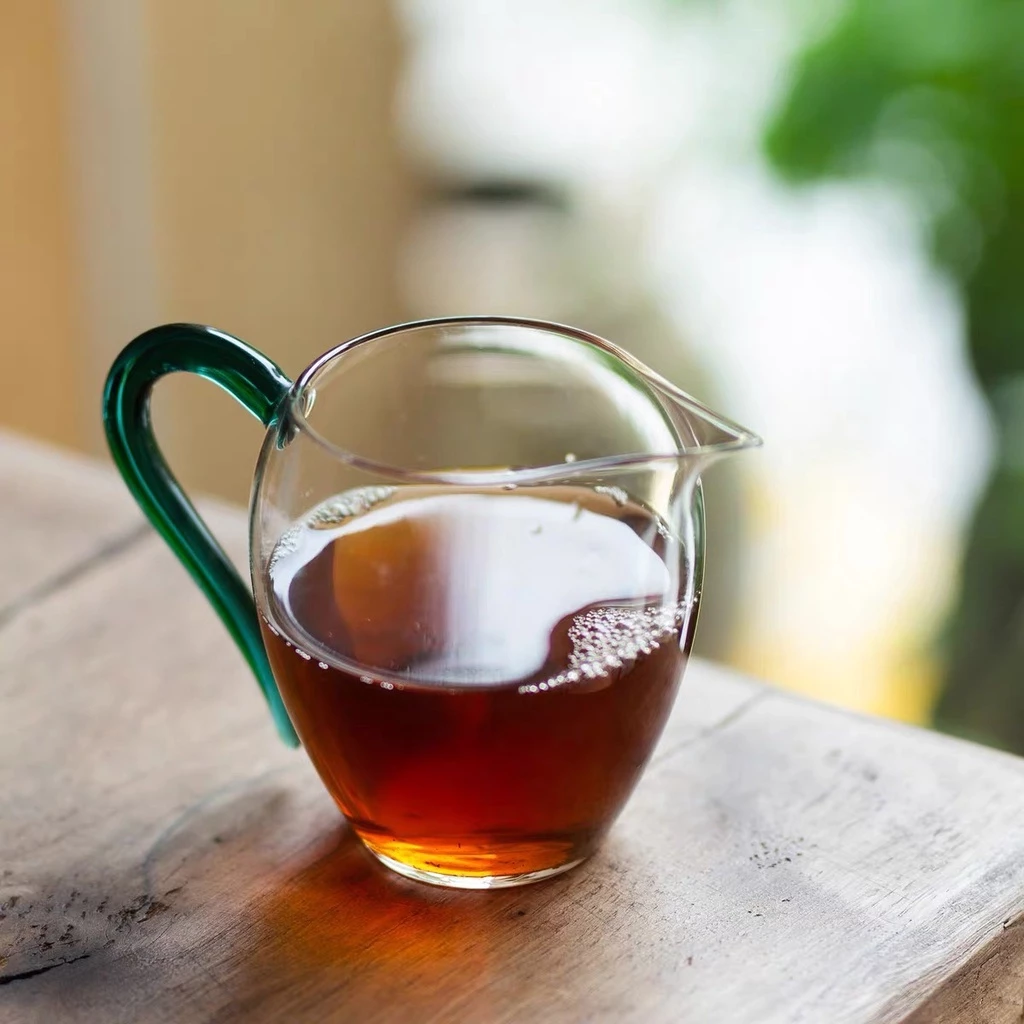
Bright amber liquor, deep and mellow.
Fair priceverified
One jin is 600 g. Below NT$500, be sceptical.
A reasonable range is NT$900–1,800 per 600 g. Below NT$500, ask more questions.
What to ask when buying this
Spring and winter lots fetch the highest prices and the best aroma; summer and autumn are a step down in both.
If they will not let you taste but want you to buy 600 g of something expensive, walk away. It is the simplest and most effective filter there is.
A scannable producer record beats any verbal assurance.
Production date, expiry, origin of raw material, seller name and phone — if any is missing, do not buy.
Specifications
About the origin
**This is where Taiwanese high-mountain tea begins.** In 1976 Lin Yun-fa, head of the Longyan community, watched Lugu lift its local economy on the price of good tea, took his neighbours there to see it, and came home to plant seven thousand Qingxin Oolong bushes — the first high garden in Taiwan. Before that, people in Longyanlin lived by burning charcoal and growing daylilies. The longyan in the name is not the edible fruit but the mountain longyan, which looks like it, cannot be eaten, and makes excellent firewood. The gardens sit between seven hundred and twelve hundred metres — not high by today's standards, but the history is here. They face east, bathed in cloud in the morning and in sun as soon as it clears the ridge.
These figures will be updated if they change.
Brewing
Why this temperature
Ball-rolled oolong is tightly wound, and the first pour only reaches the outside of the pellet, so it needs water close to boiling to open at all. If it does not open, the later steeps swing between thin and heavy. The first and second steeps often take the same time or less, because the leaf does not truly unfurl until the second.
Temperatures follow the official category guidance. Source: TRES — Effects of water quality and temperature on tea liquor
Common mistakes with this tea
95°C or above. Too cool and the roast aroma never opens, leaving it flat.
Rolled-ball leaf needs the first infusion to open up; the second is then shorter.
Best drunk within two months.
The most common beginner regret is buying 600 g on the first try. Buy a jin only after you know you like it.
What to eat with it
A chilled jelly has almost no flavour of its own; a heavily roasted tea would bury it. A fragrant, lightly oxidised tea lifts it instead.
This one is Taiwan-only — not available overseas
Here are the closest teas we can actually ship you:
Alishan High Mountain TeaAlishan 1700m 1700 m Milky Osmanthus2.0–4.0kLocation accuracy: named locality (23.5600, 120.6000). This marks the growing area, not one specific garden.
Alishan Tea Region9
What there is to do here
6 routes Two days possible Meishan: Ruili, Ruifeng, Taixing, Taihe・Zhuqi and Shizhuo・Dabang, Tefuye, Lijia — Tsou villages
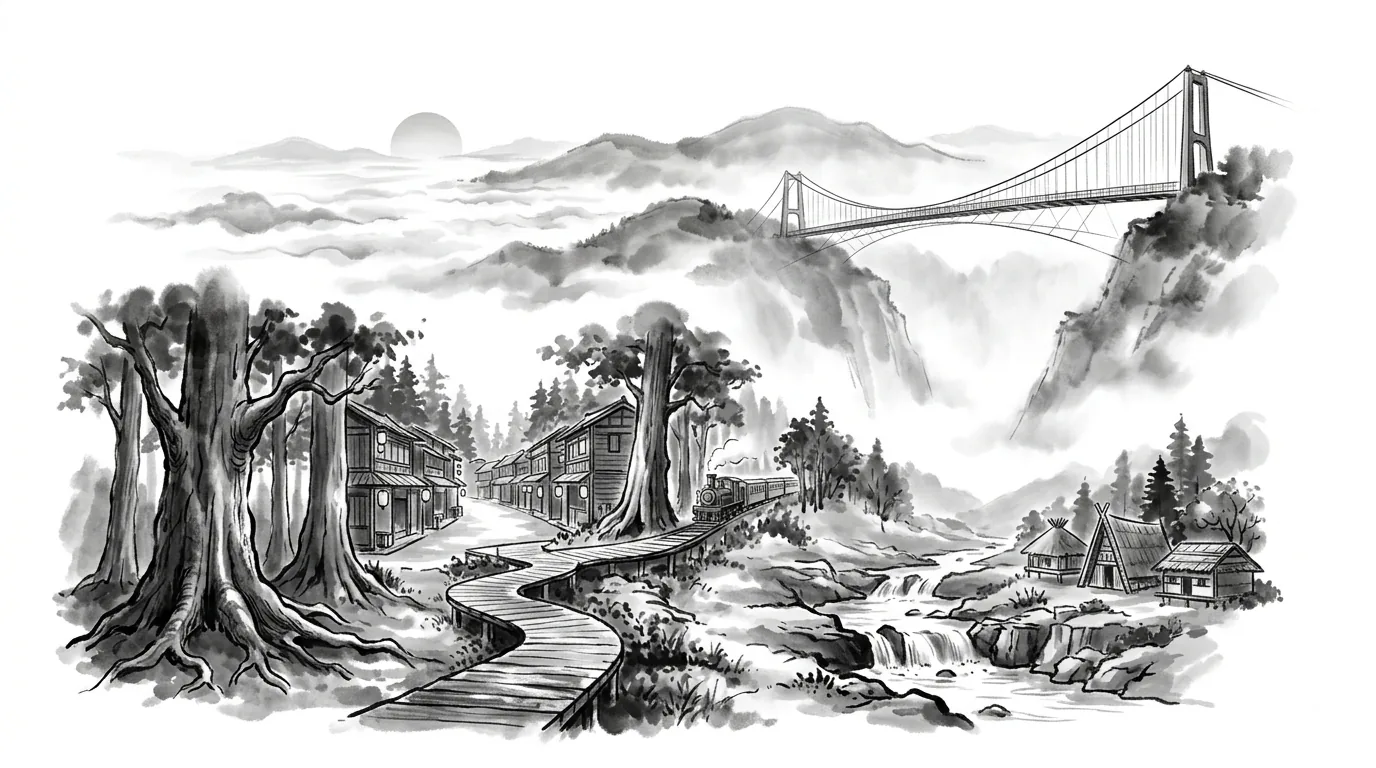
This district has the most itineraries, and nearly all of them run two days. Ruili, Ruifeng, Taixing and Taihe in Meishan are threaded together by old trails, bamboo, waterfalls and suspension bridges, and the guesthouses are the tea growers themselves. Further up are Zhuqi, Shizhuo and the Tsou villages. Every month of the year has its own crop.