Which one to buy, and when
Everyday drinking24
The kind you make without thinking and buy again. Mostly tea bags, a few dollars to a few hundred NT a pack. Start small and taste first.
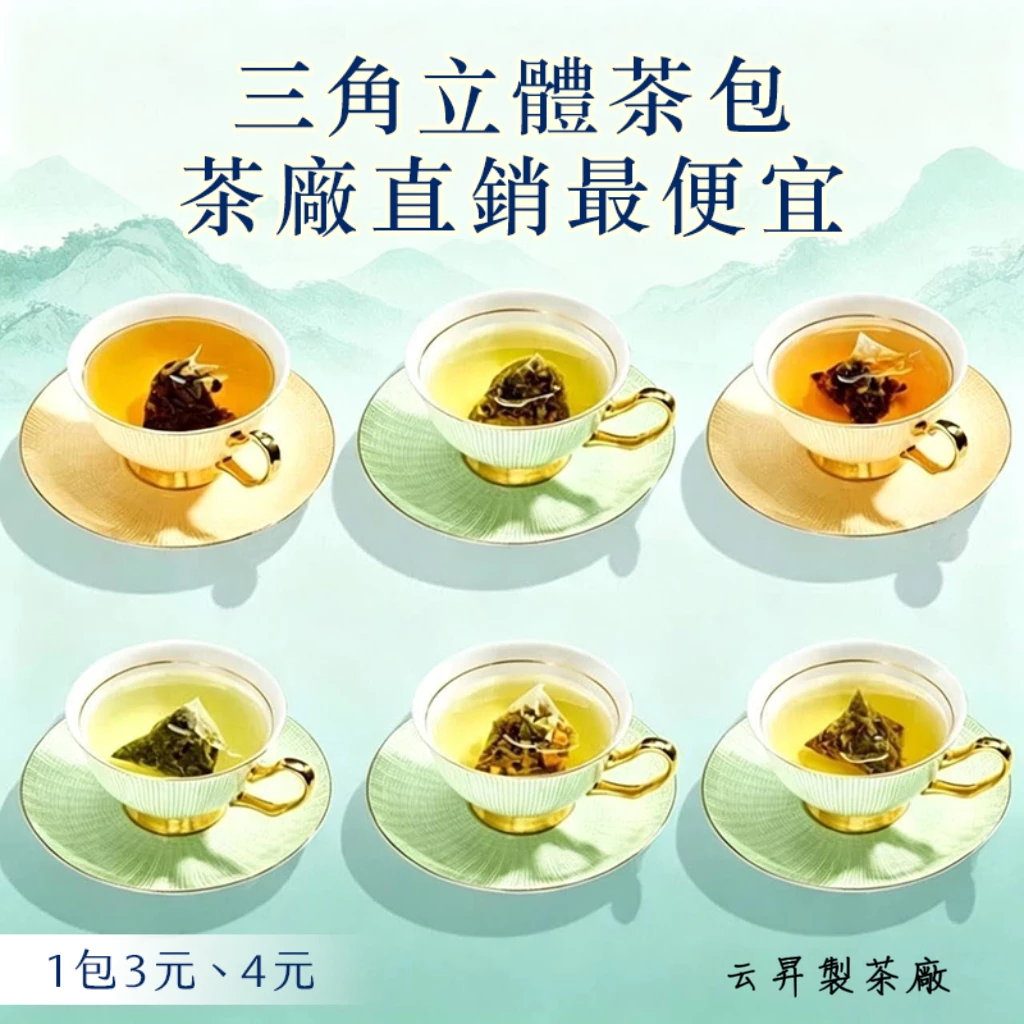
about NT$3
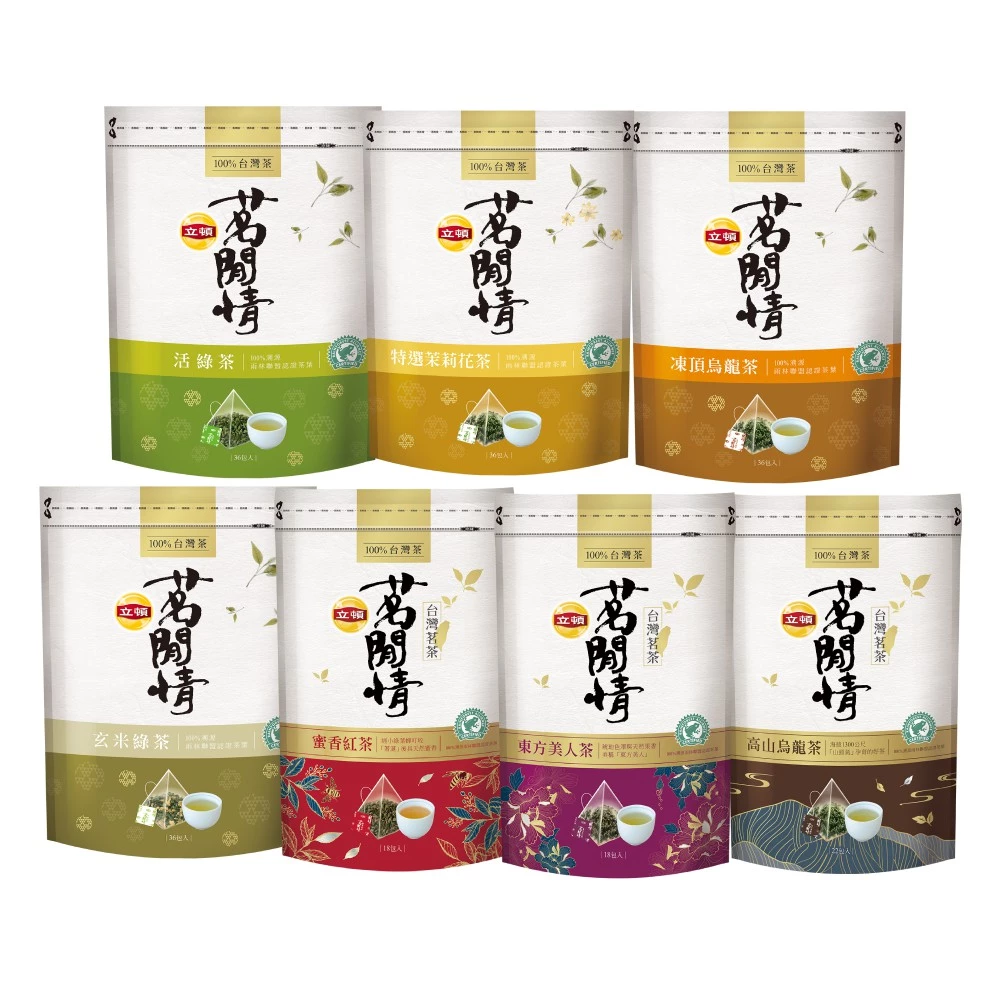
about NT$177
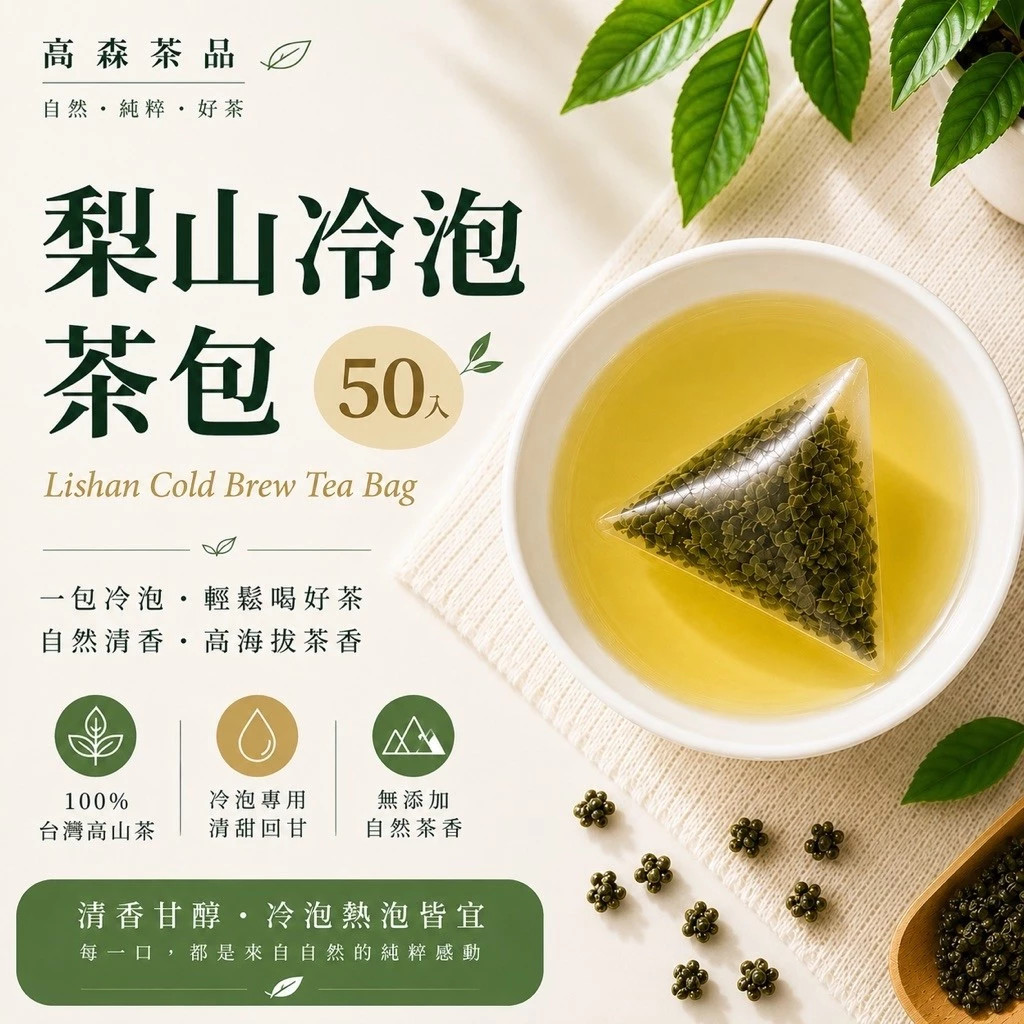
about NT$149
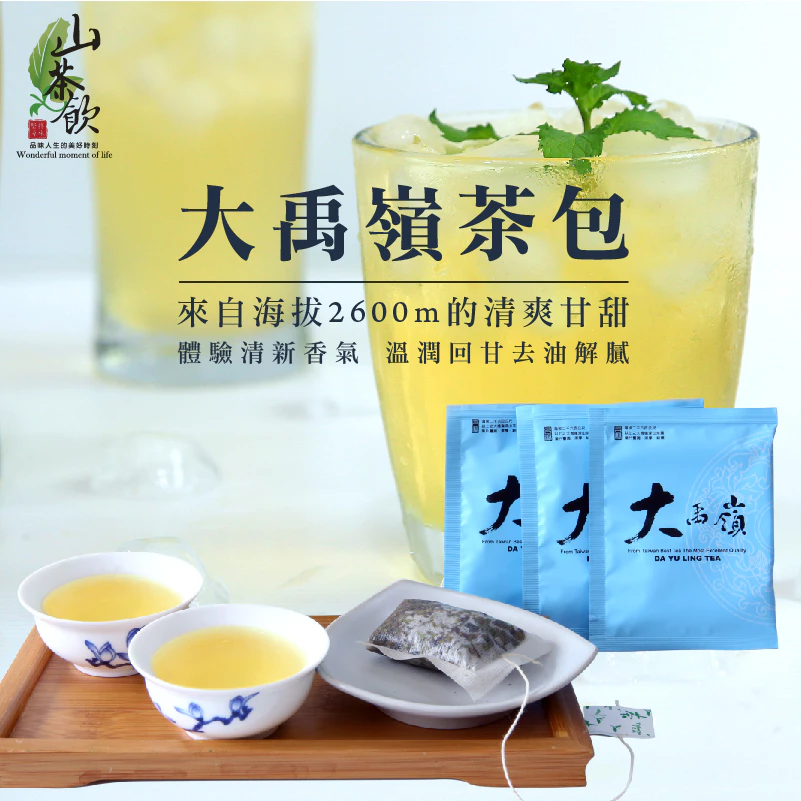
about NT$6
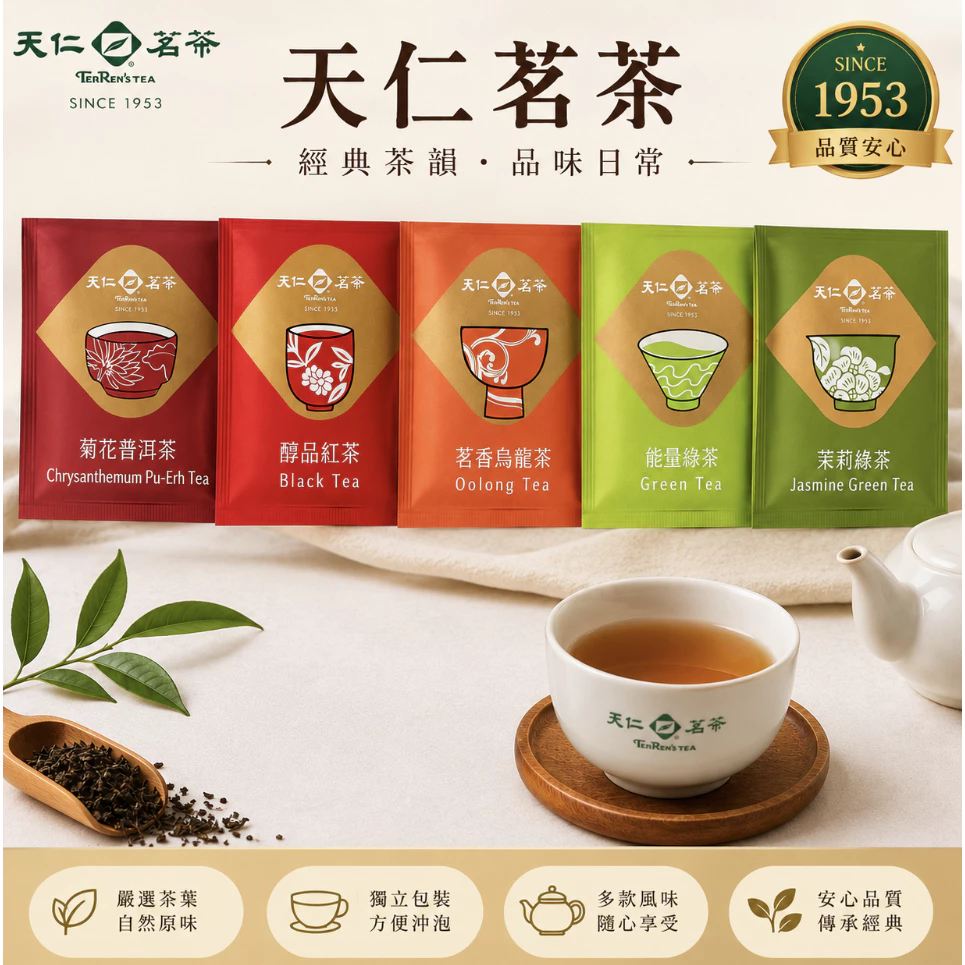
about NT$119
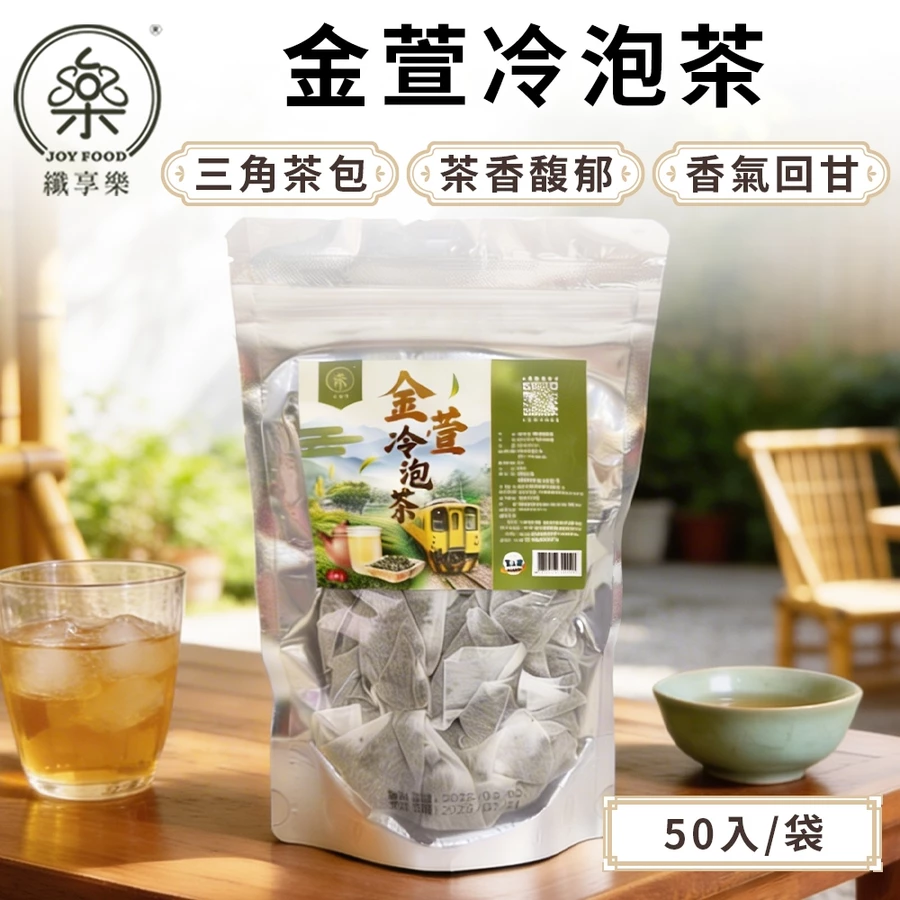
about NT$99
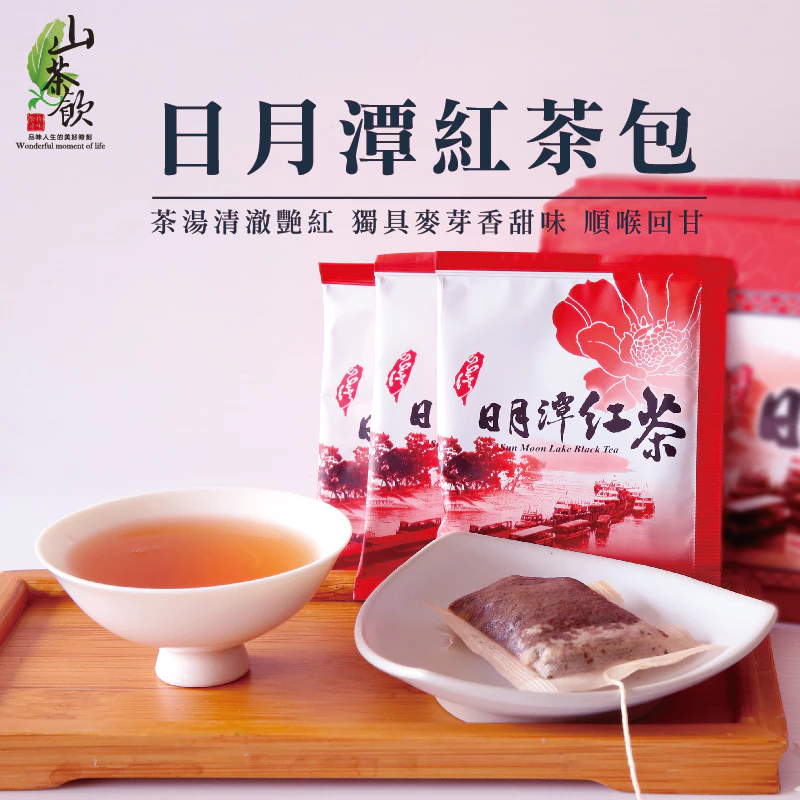
about NT$6
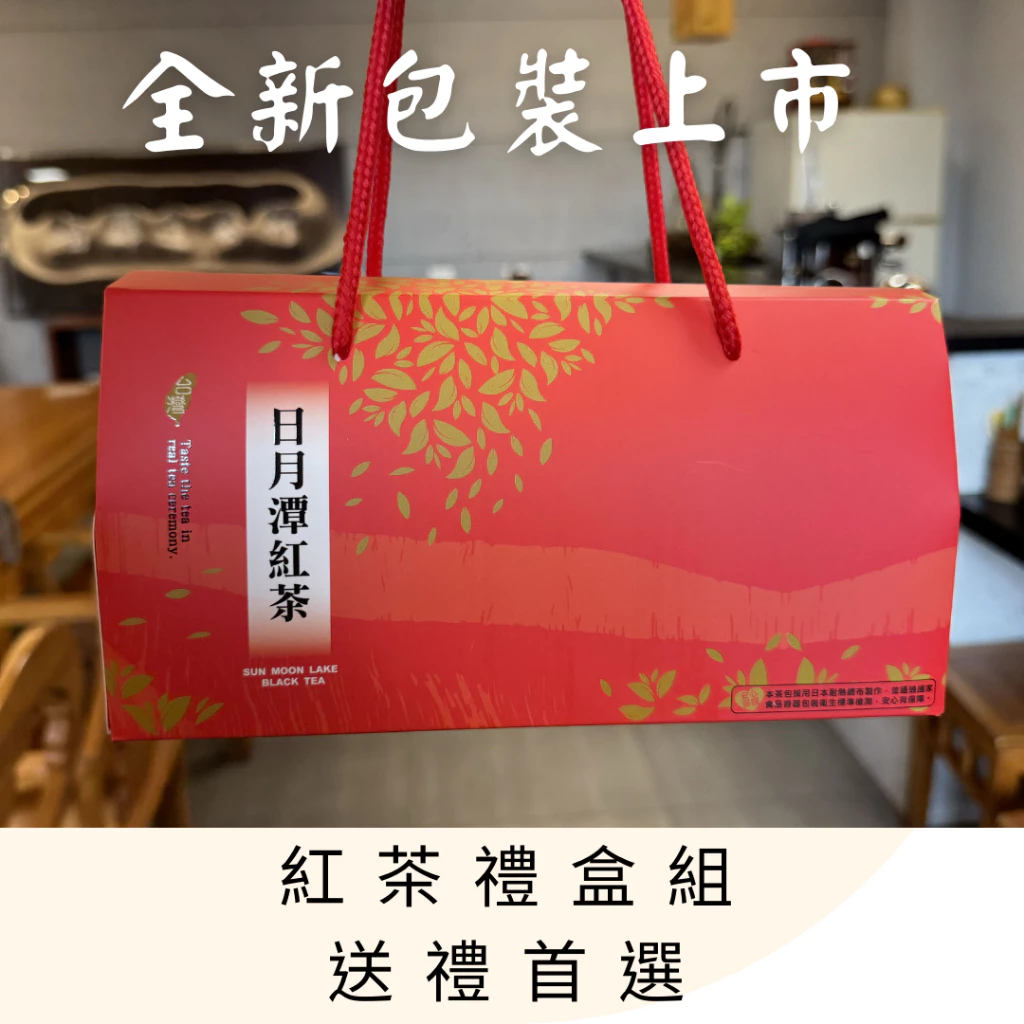
about NT$80
about NT$10
about NT$25
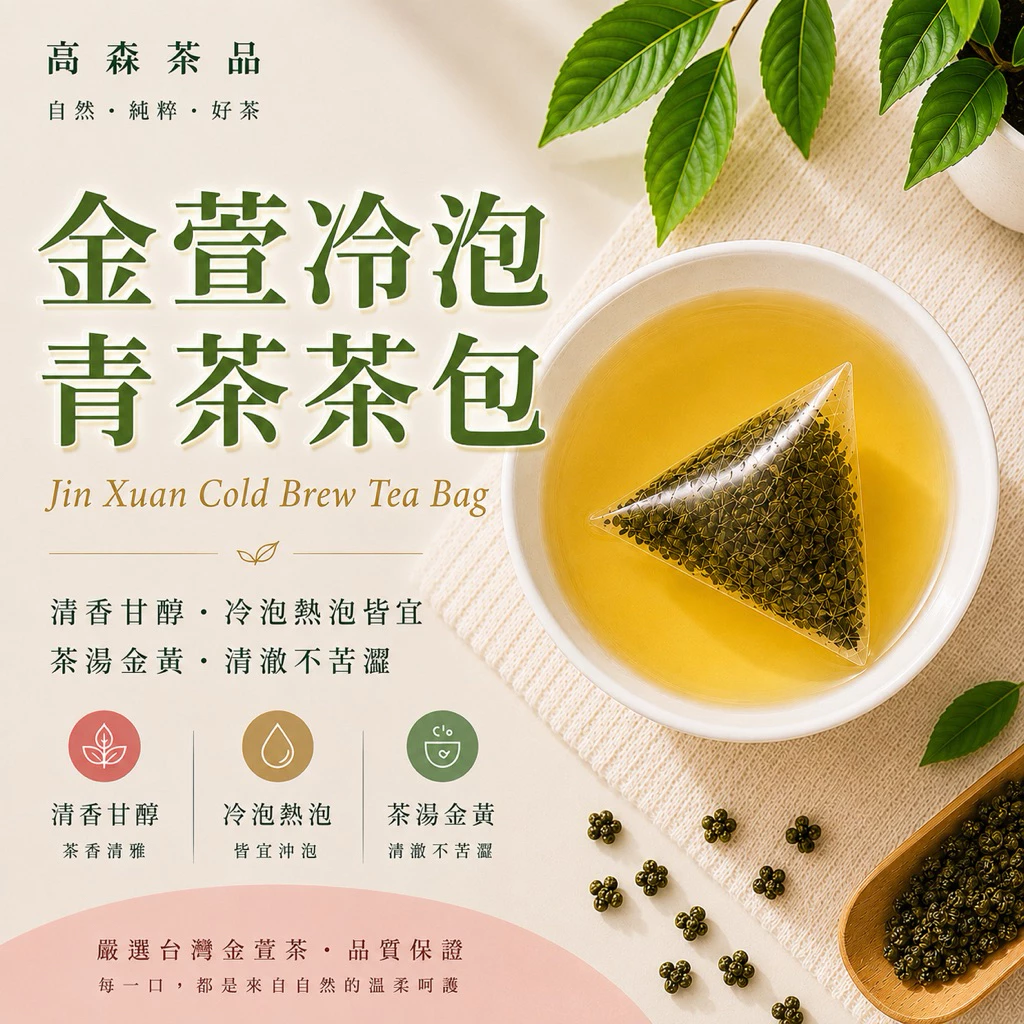
about NT$99
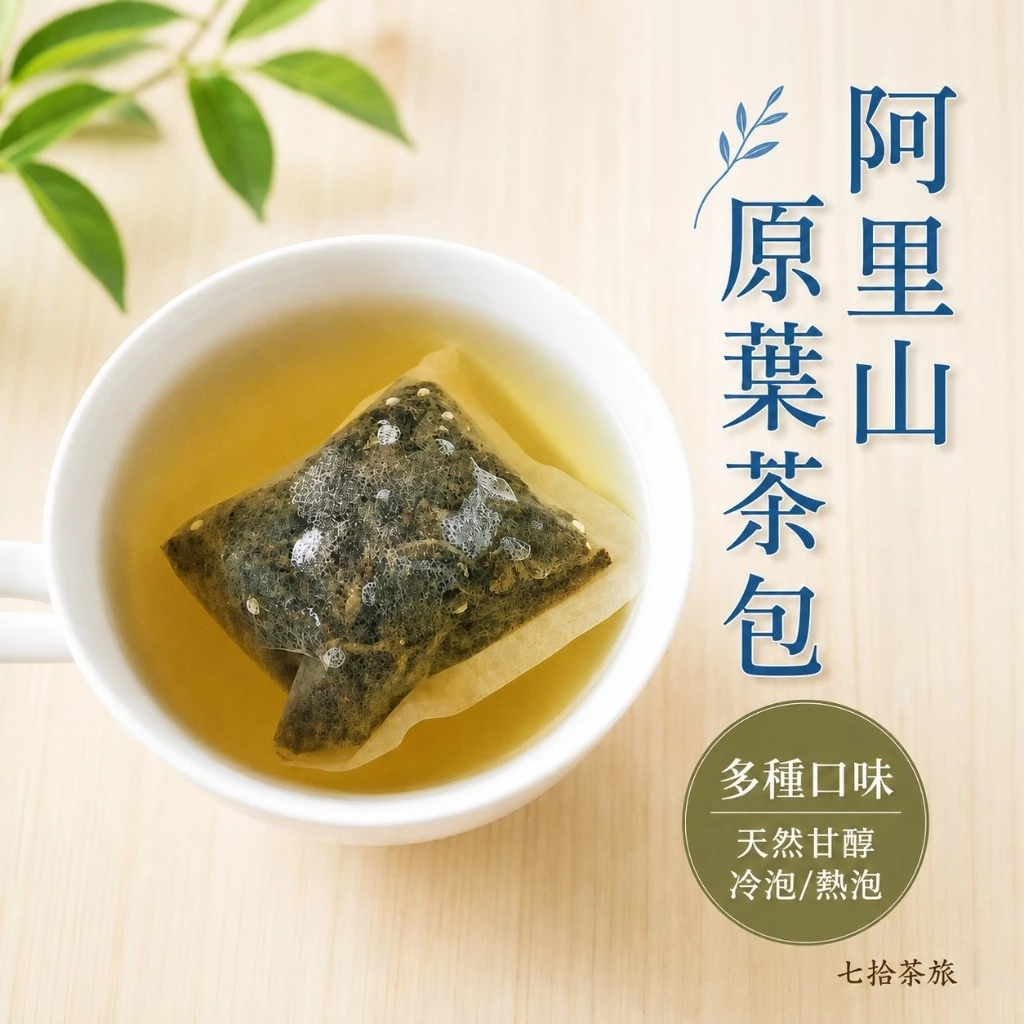
about NT$10
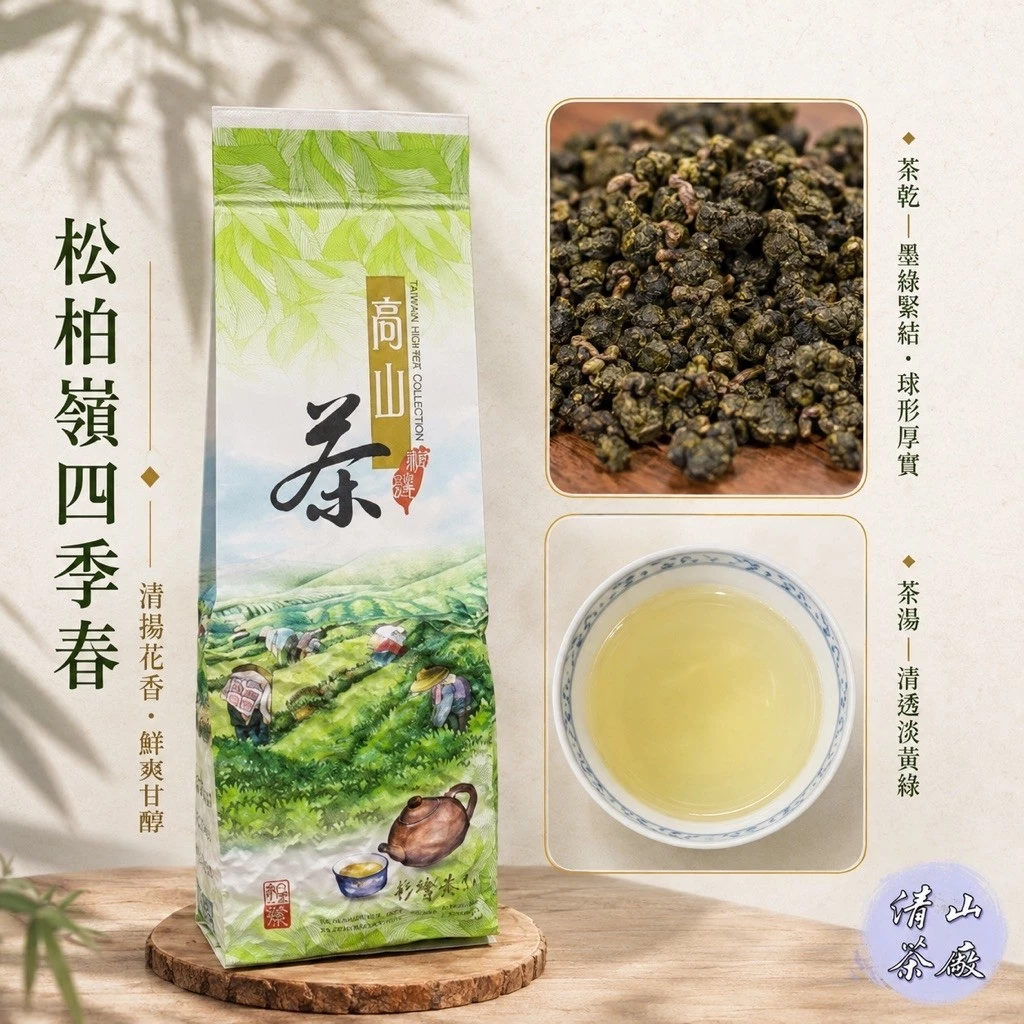
about NT$238
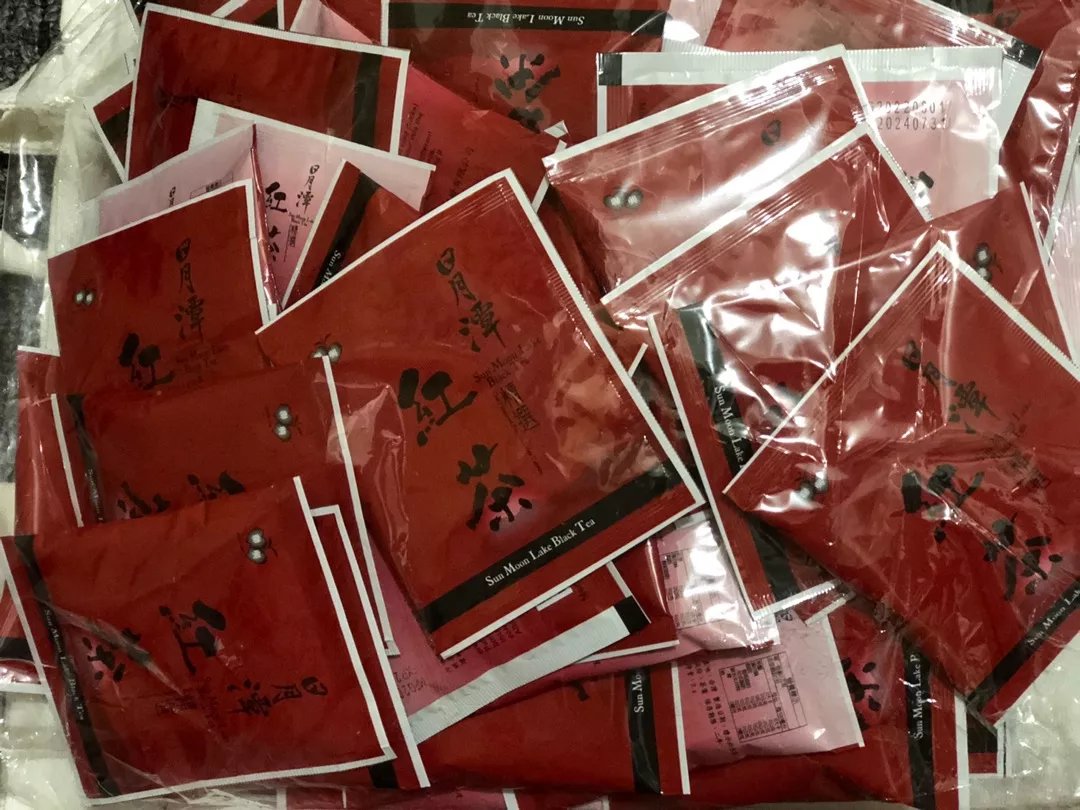
about NT$199
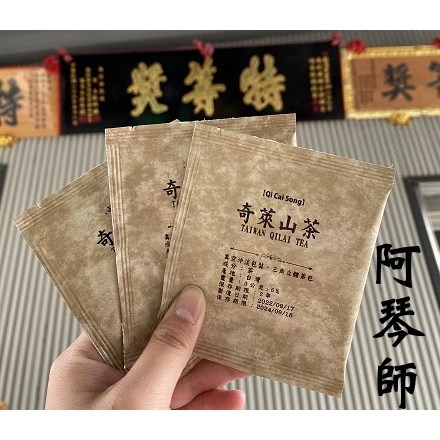
about NT$80
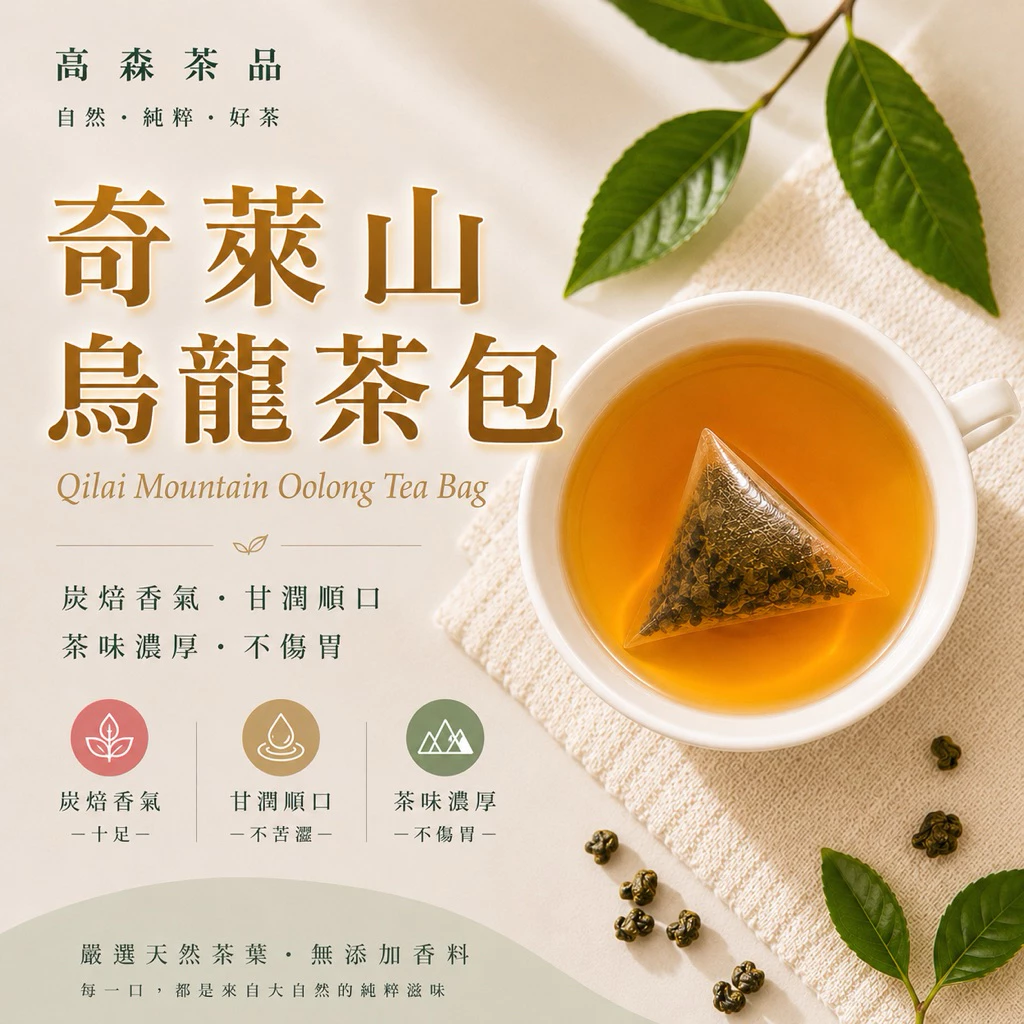
about NT$149
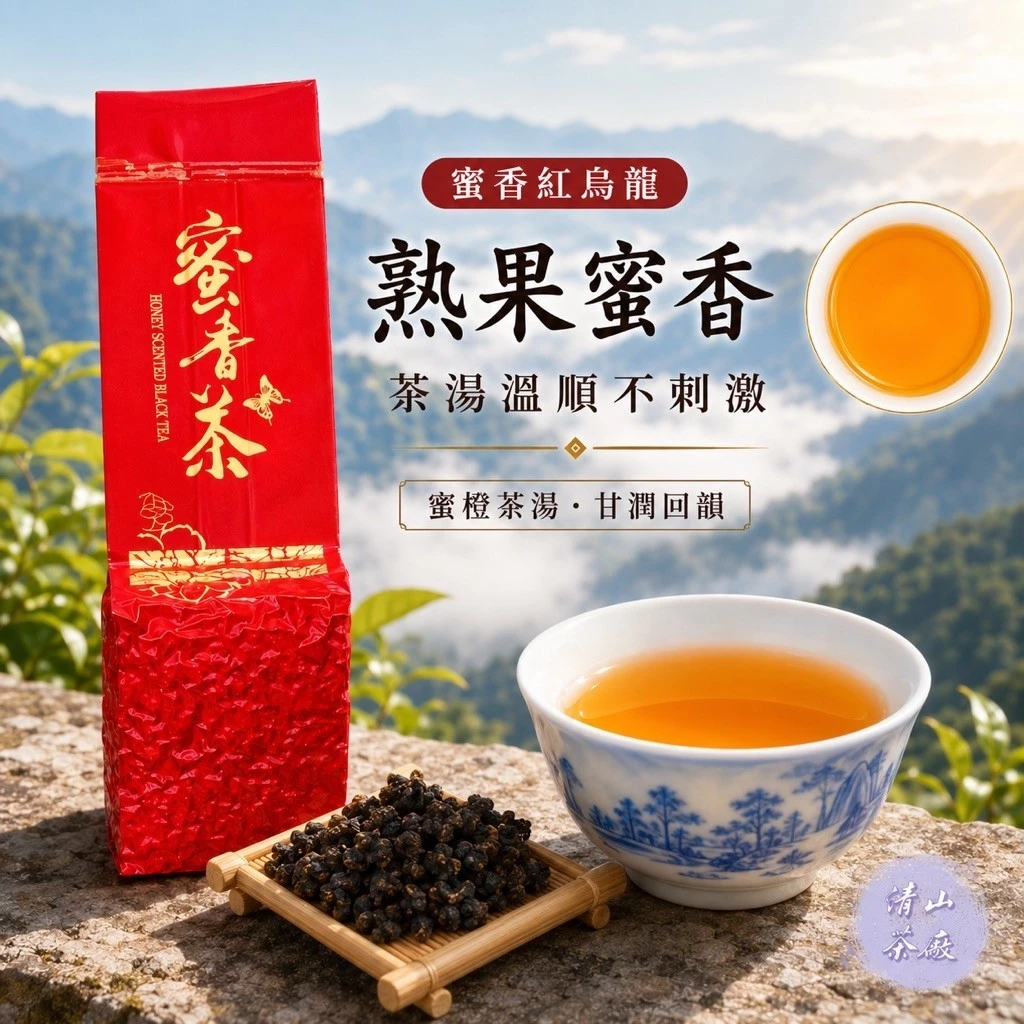
about NT$330
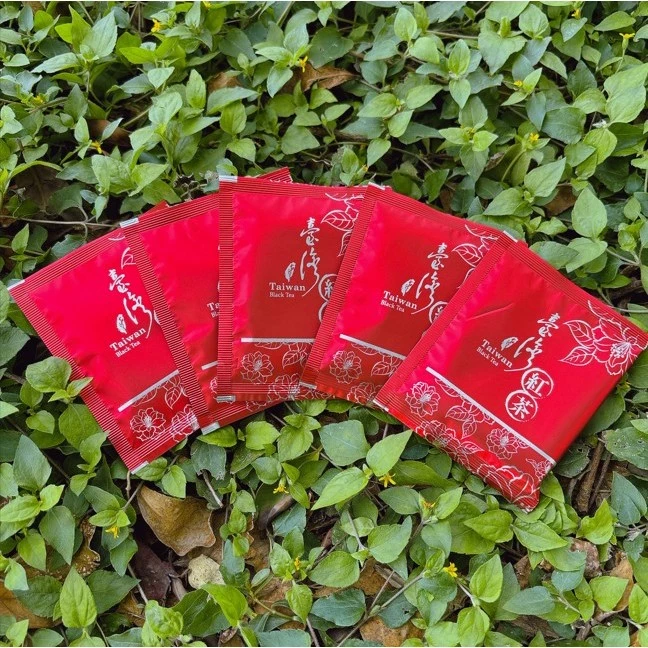
about NT$15
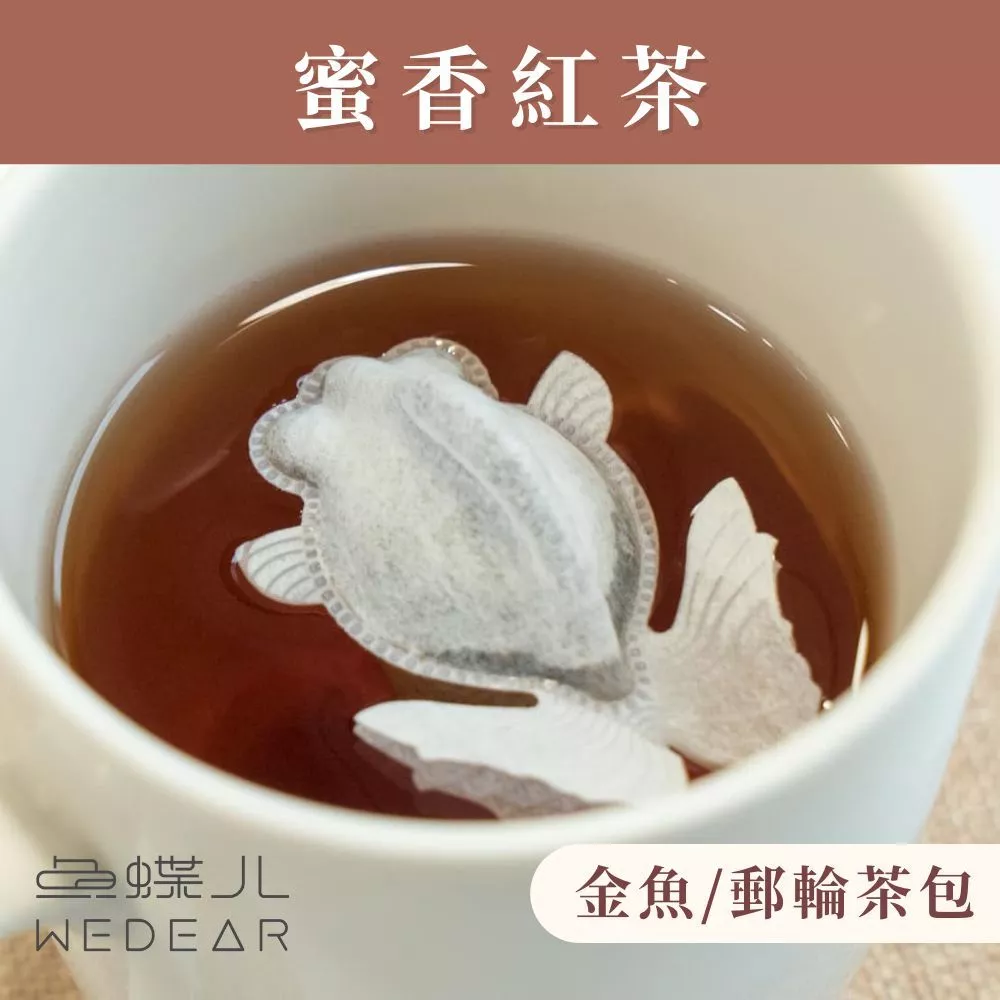
about NT$215
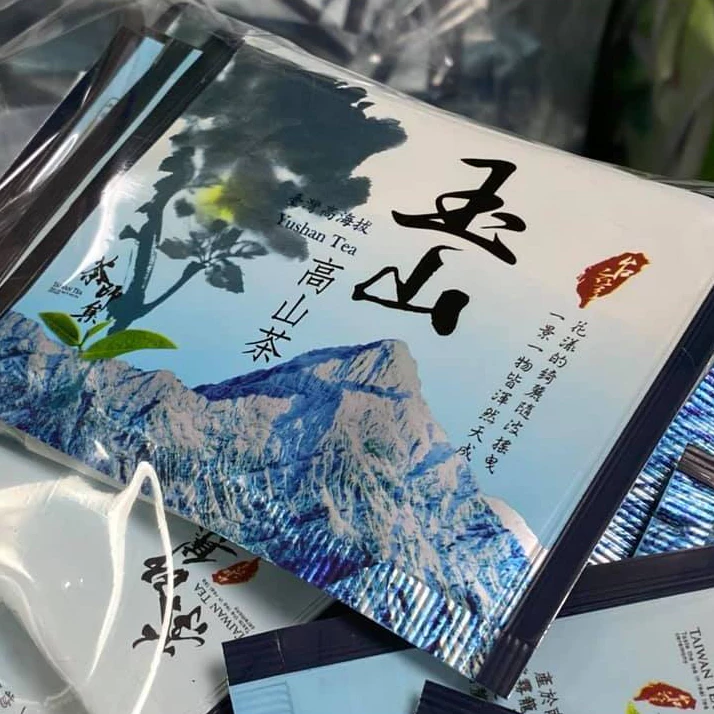
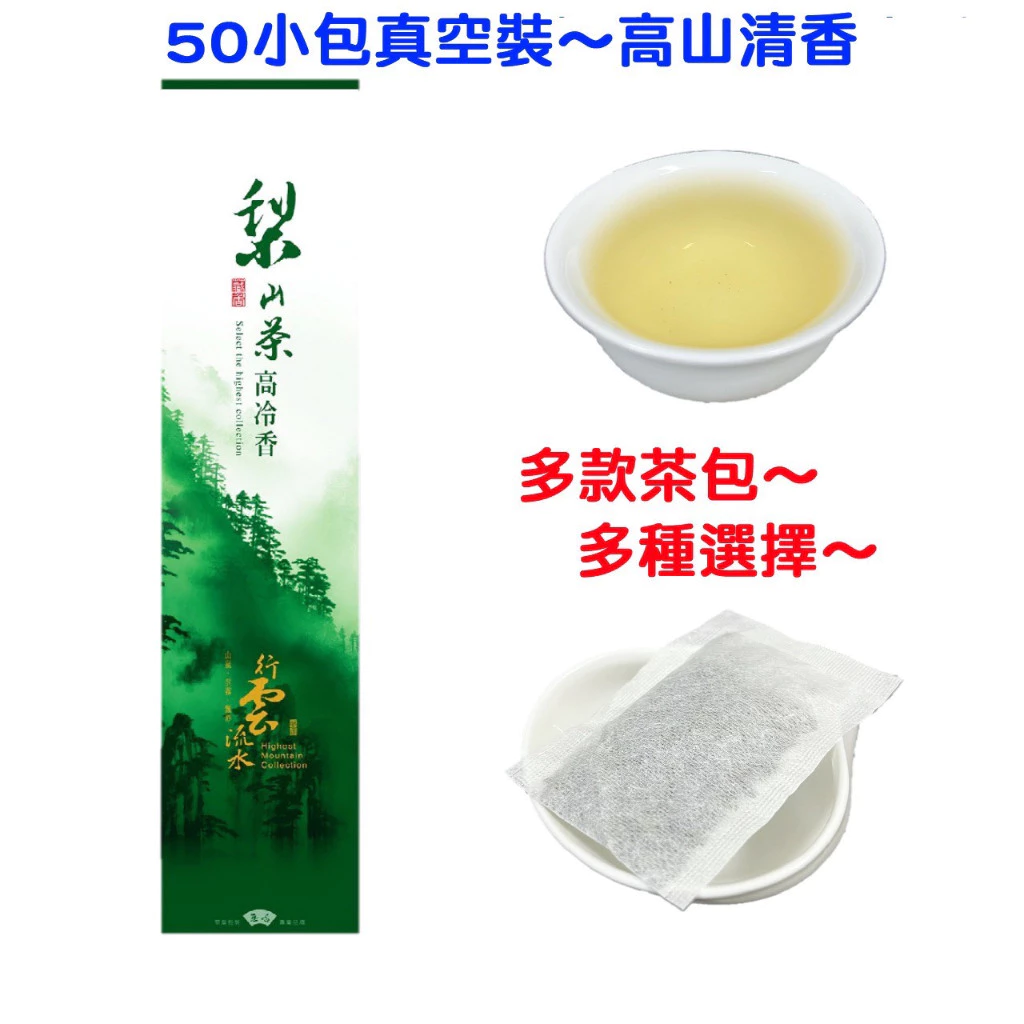
When you want something better13
Loose leaf with a stated origin, cultivar and firing level. For when you sit down to brew properly and want to taste the differences.
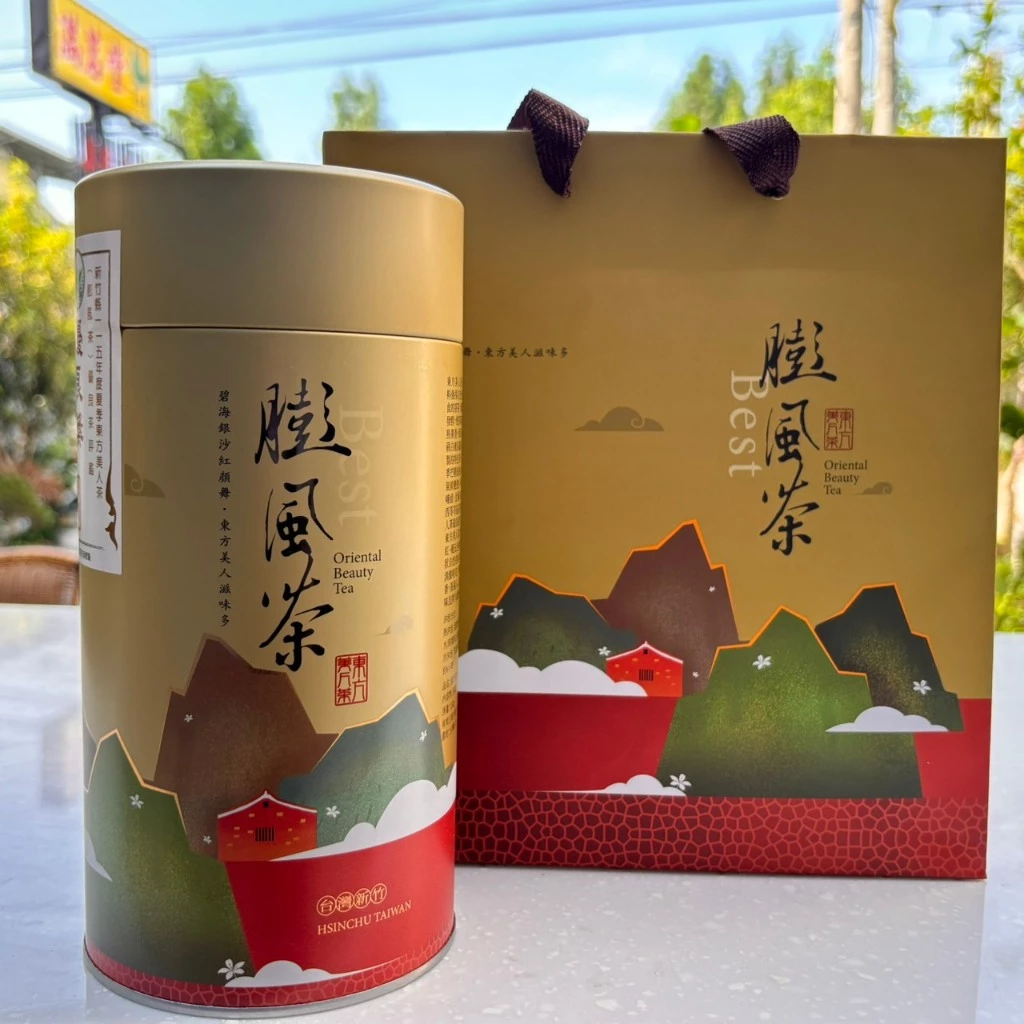
about NT$1400
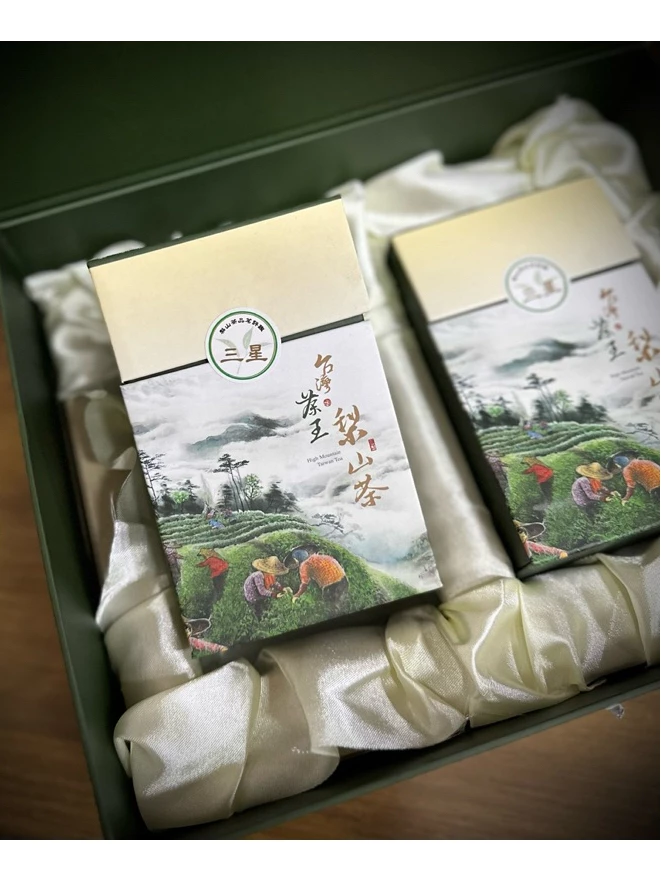
about NT$1900
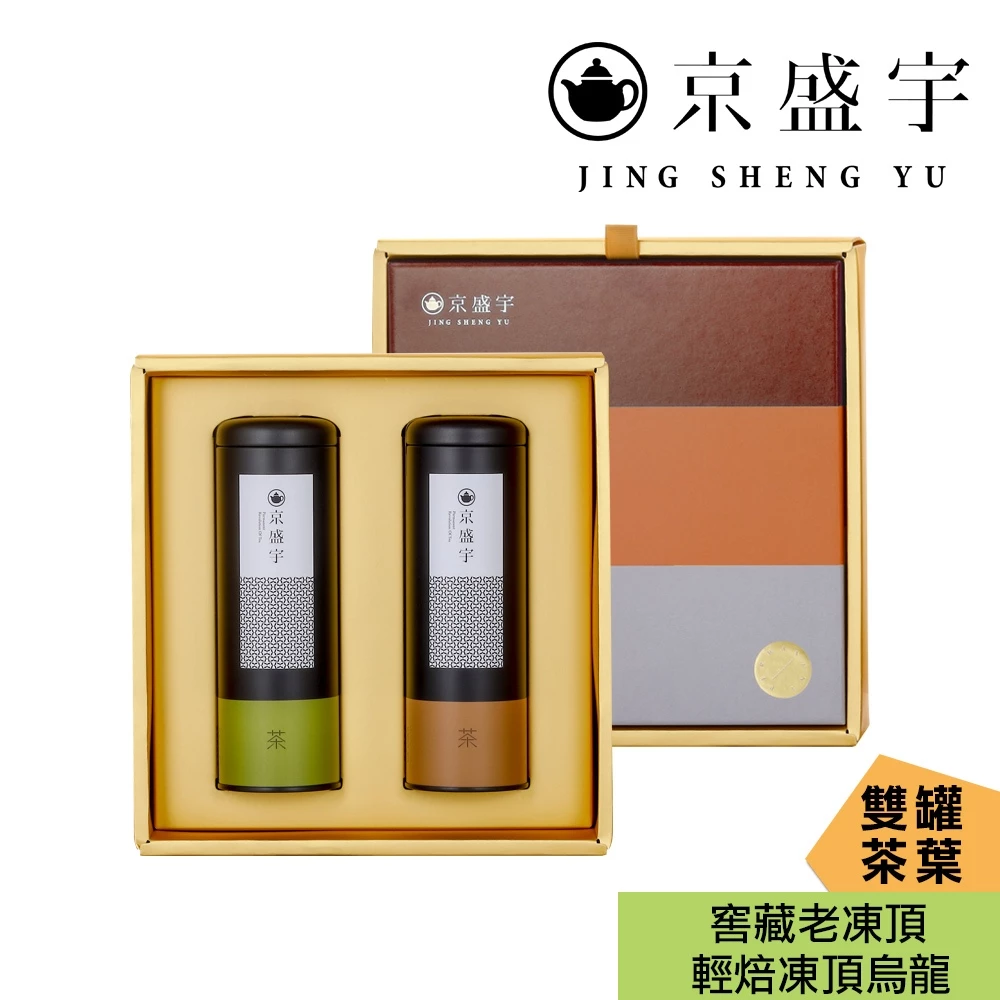
about NT$2310
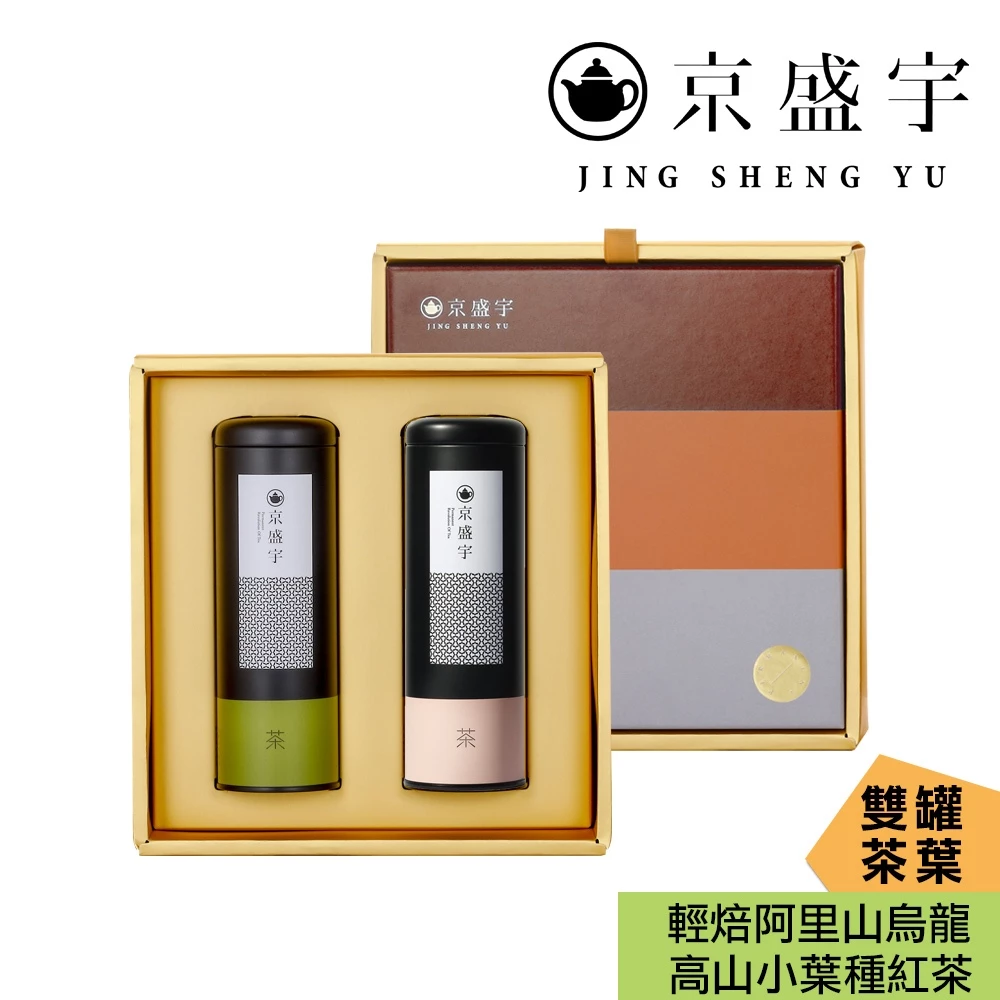
about NT$1710
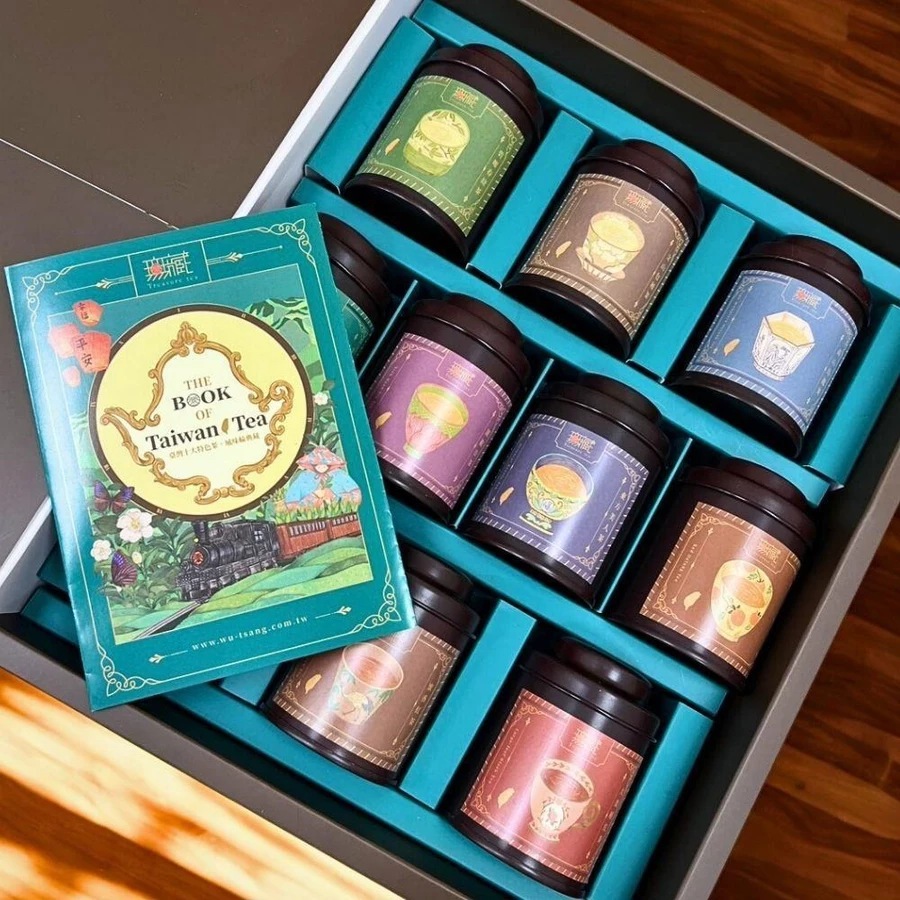
about NT$2280
about NT$250
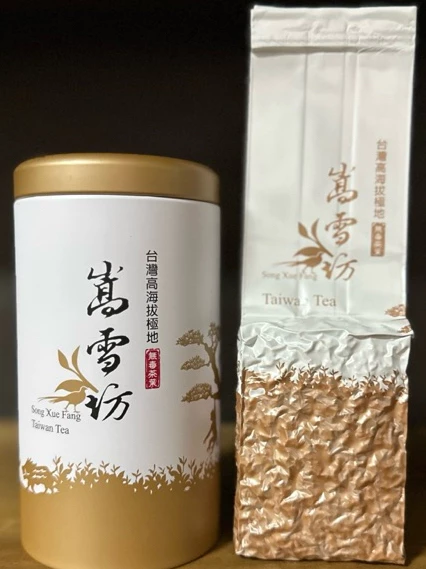
about NT$440
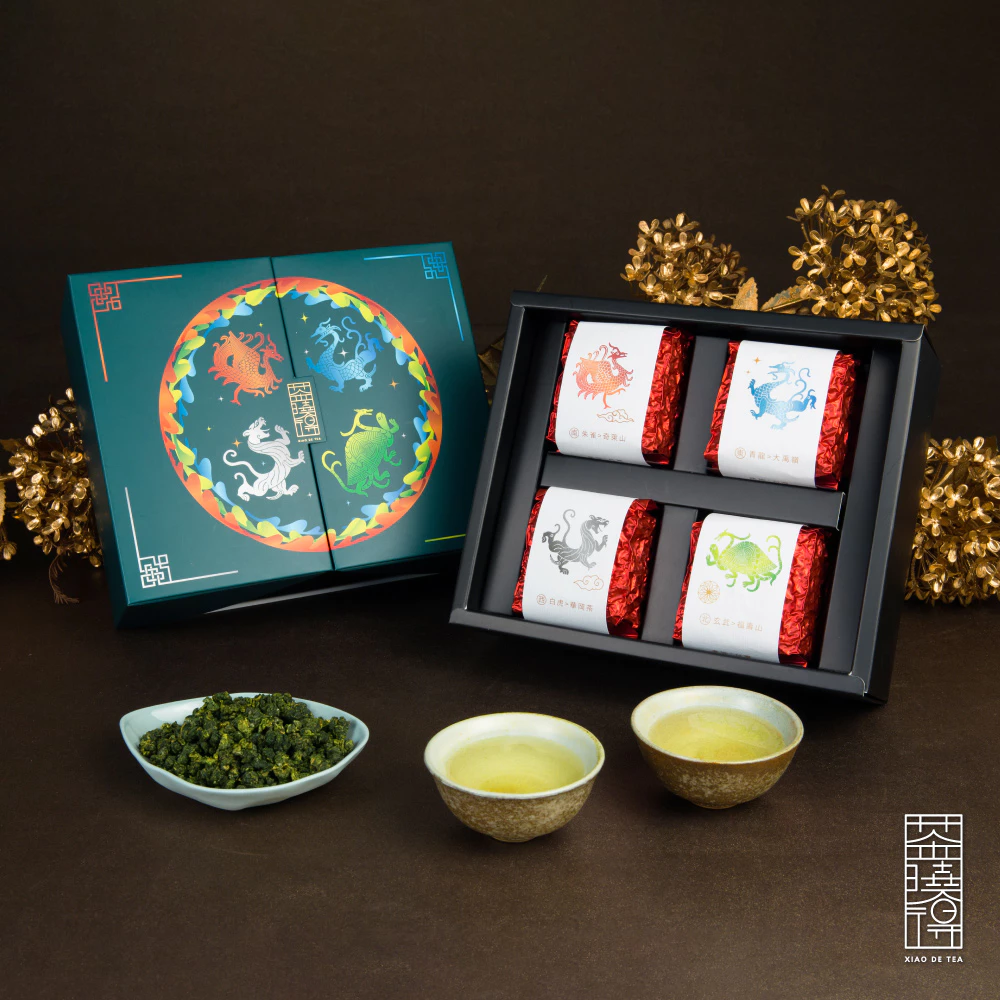
about NT$1299
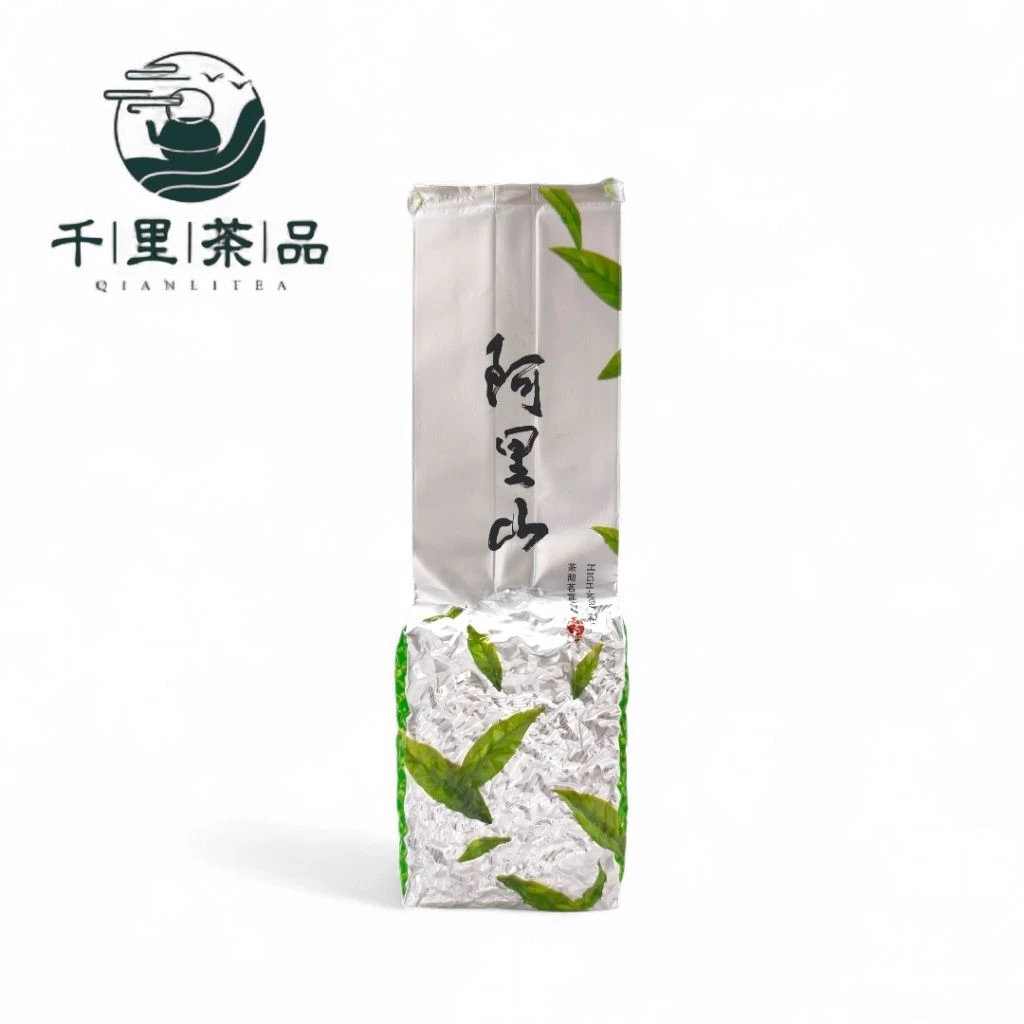
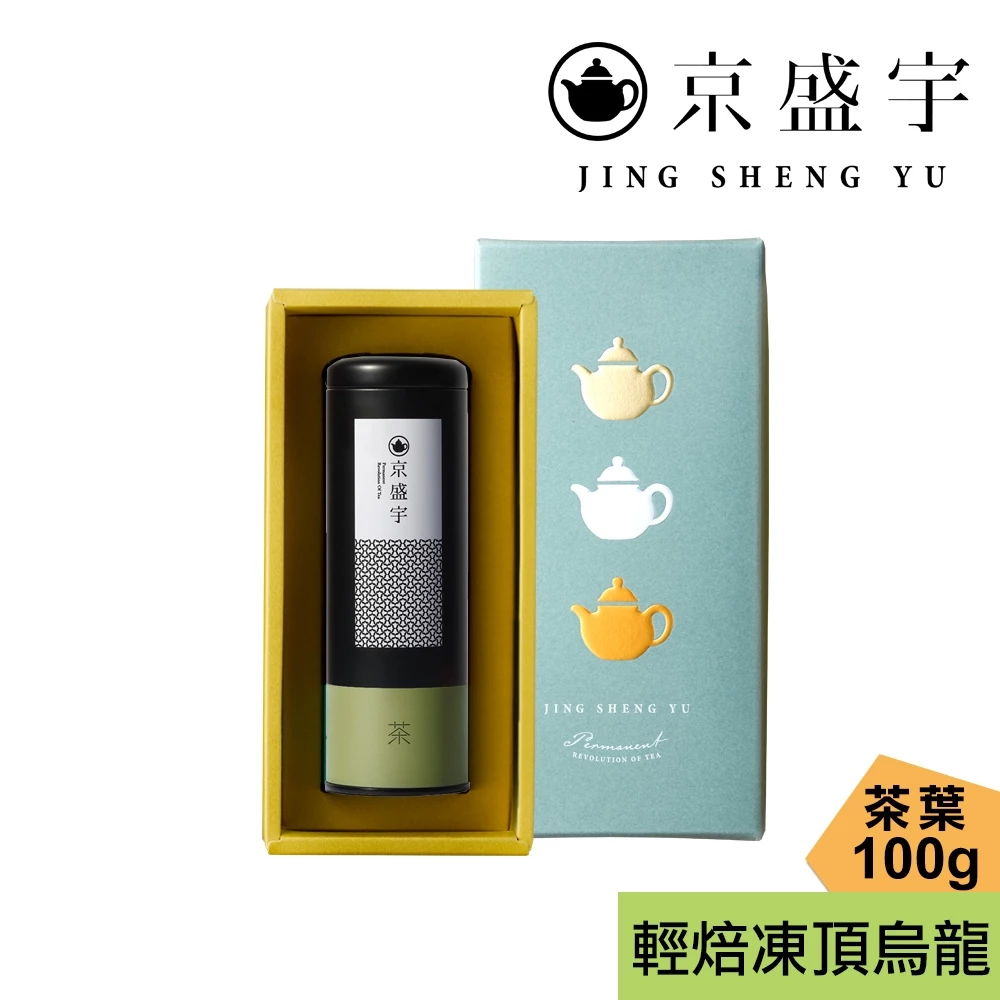
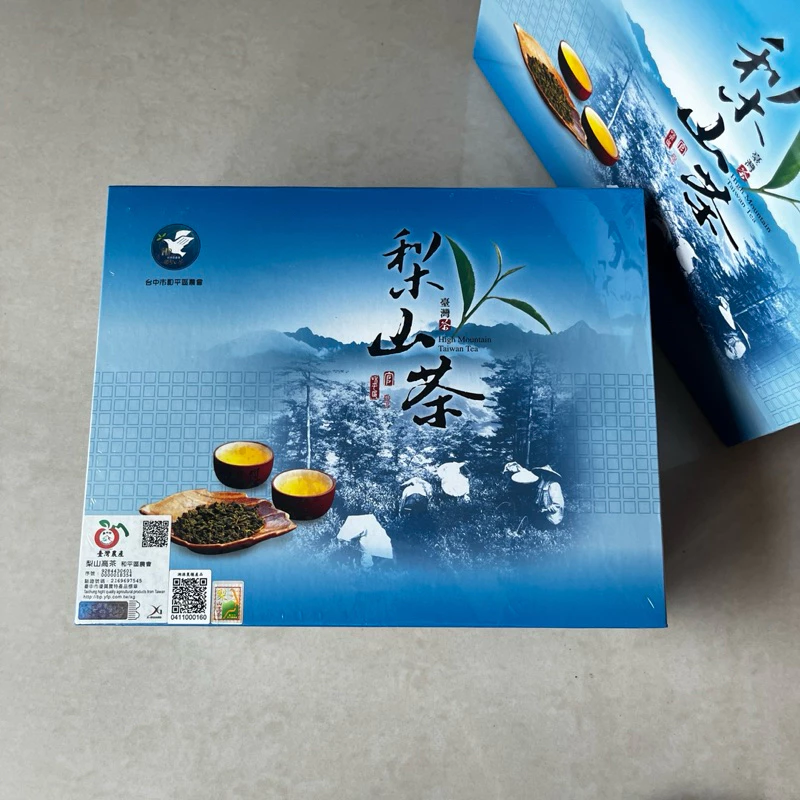
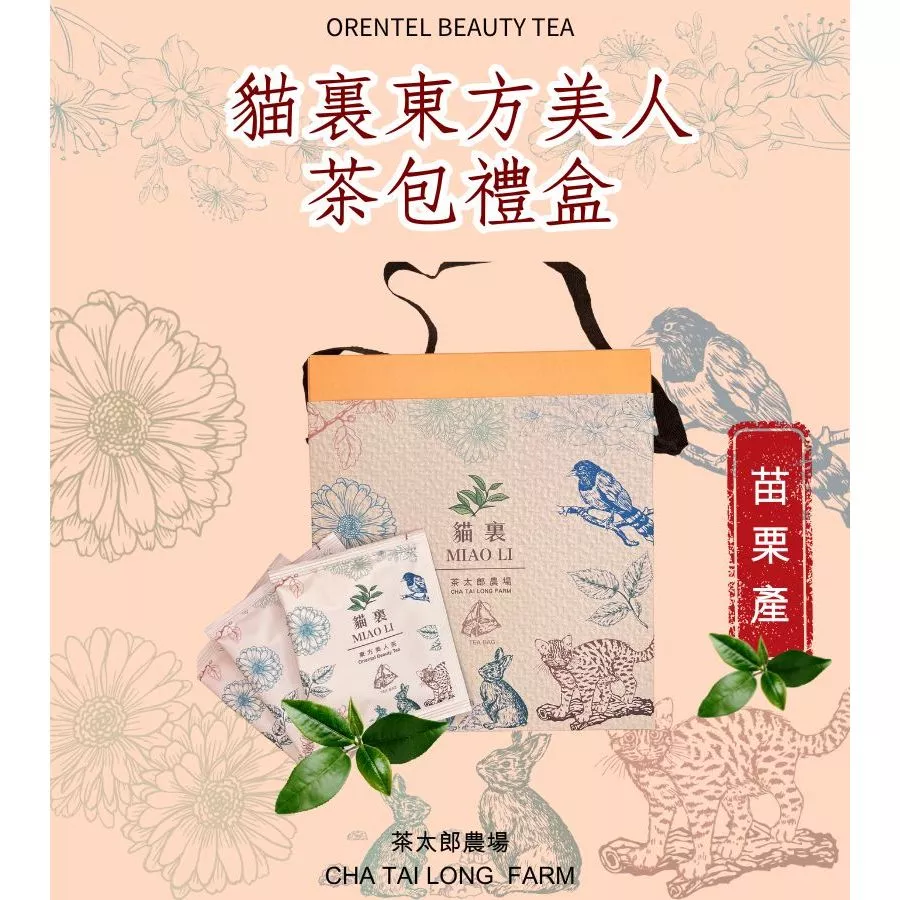

Opens the 七三茶堂 store
Seasonal gift boxes12
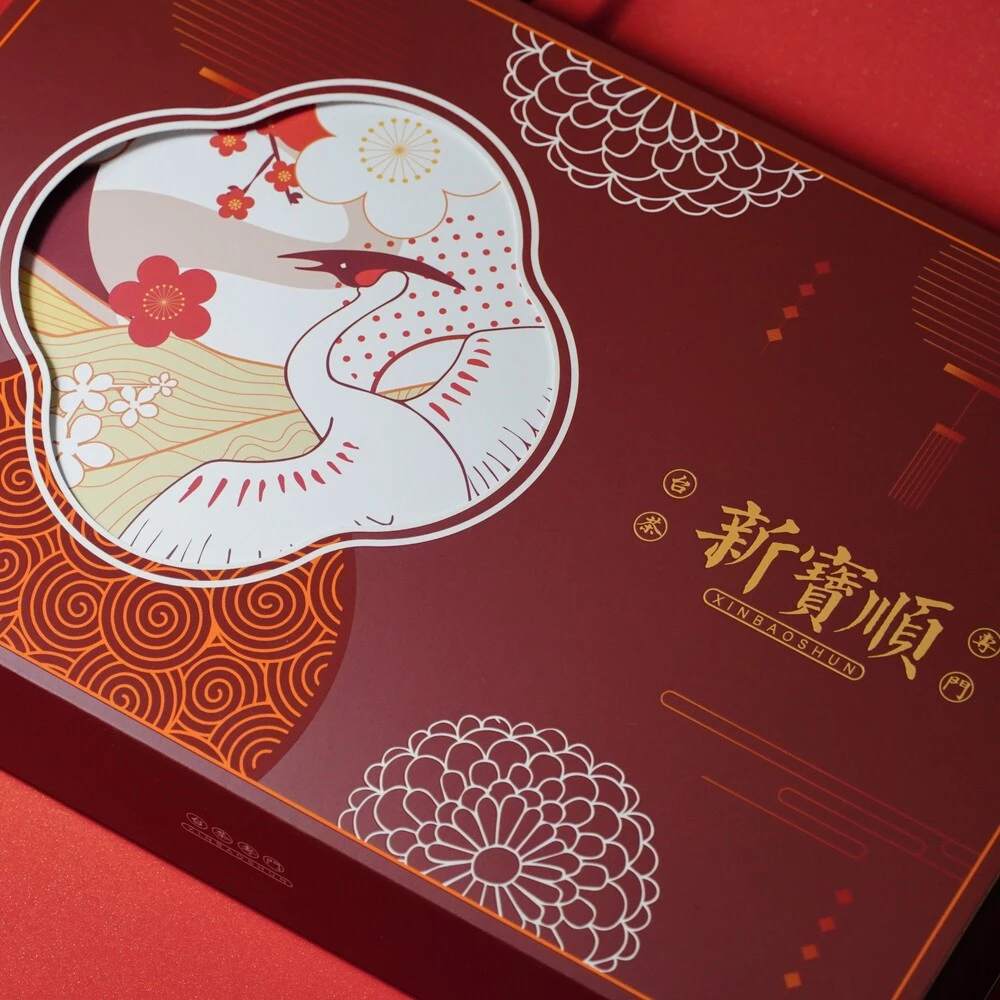
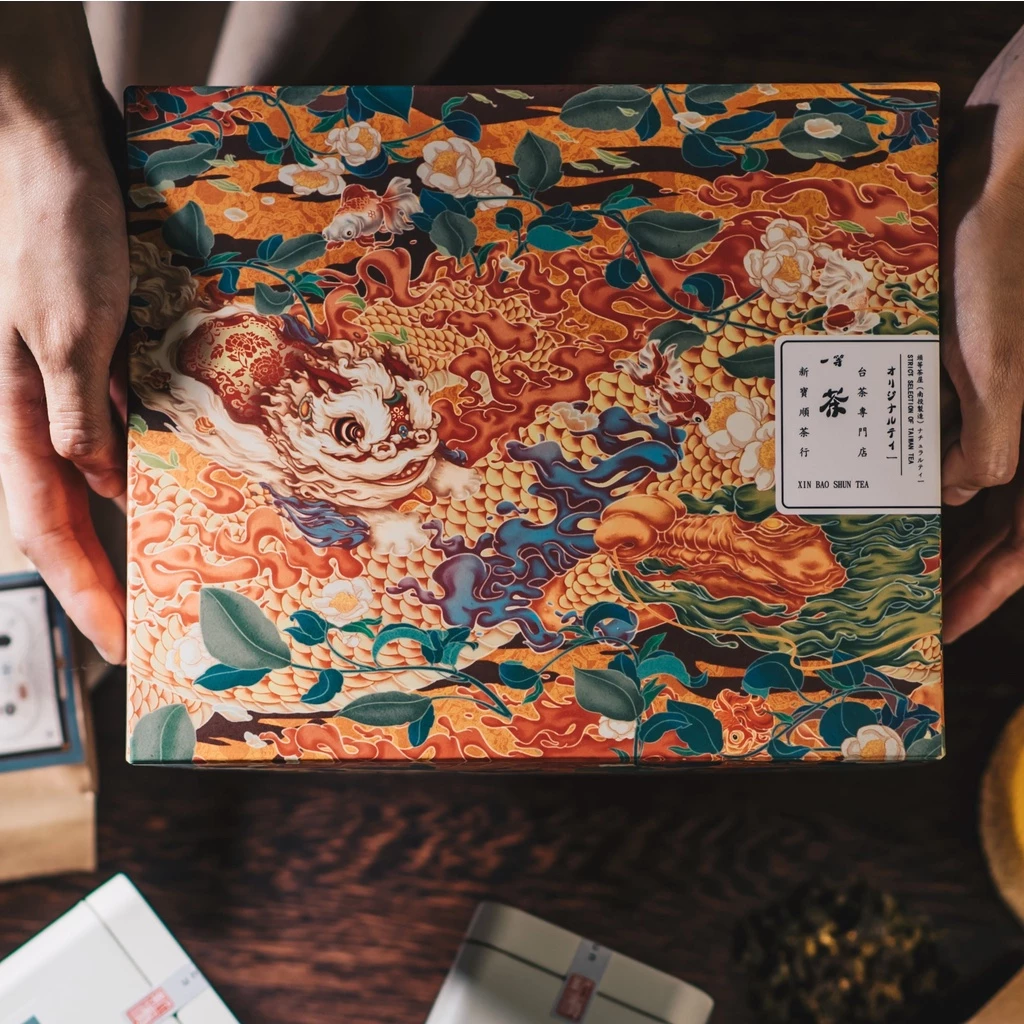
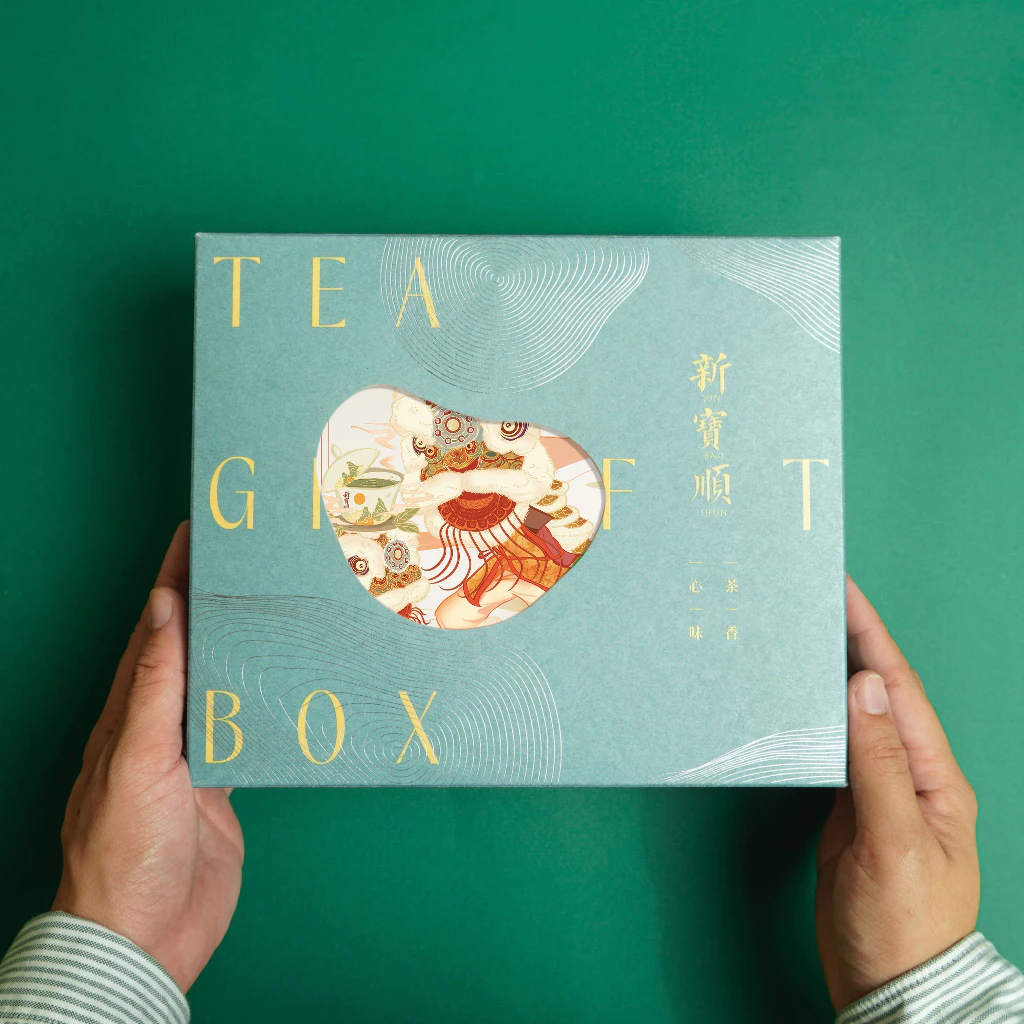
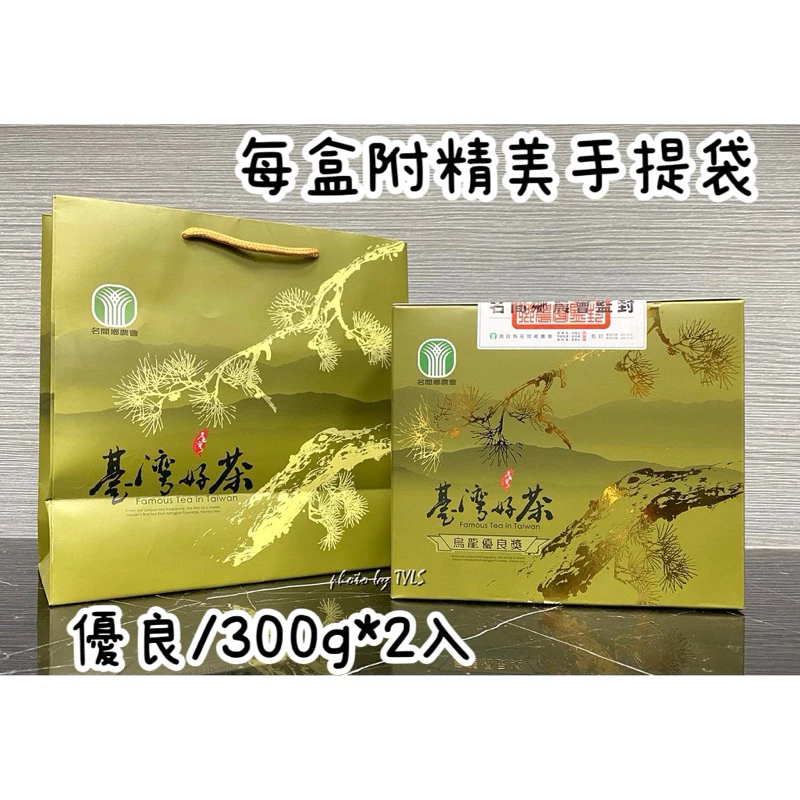
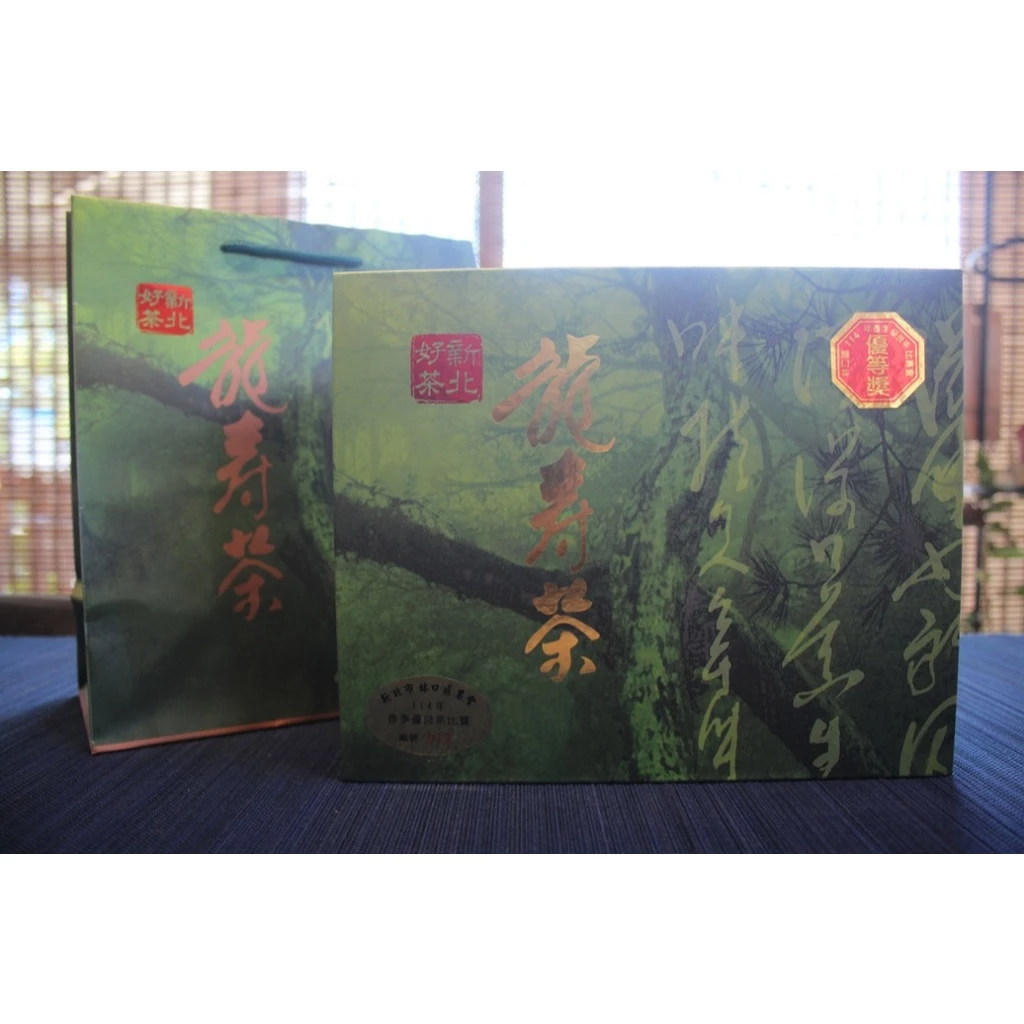
Boxes for Mid-Autumn, Lunar New Year and the like, mostly NT$500–1,500. For when you give many and none of them can miss.
about NT$800
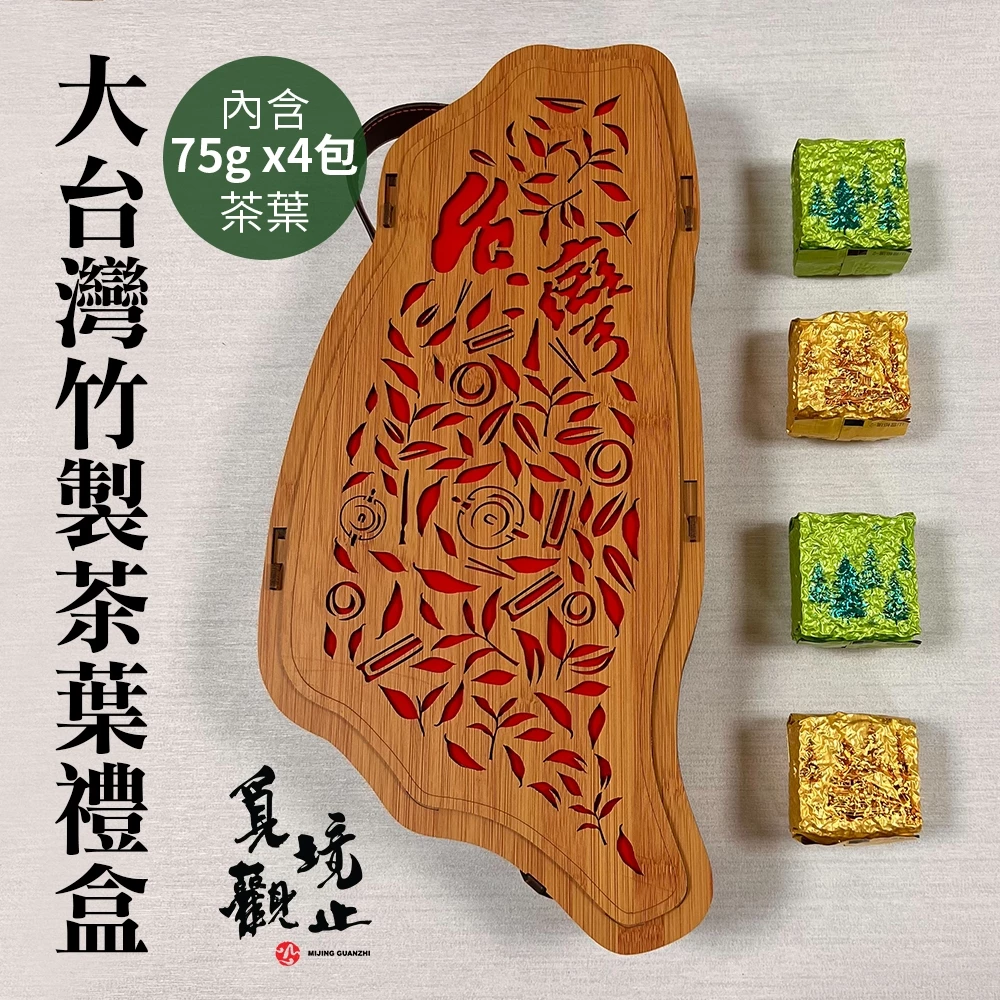
about NT$580
about NT$1180
about NT$500
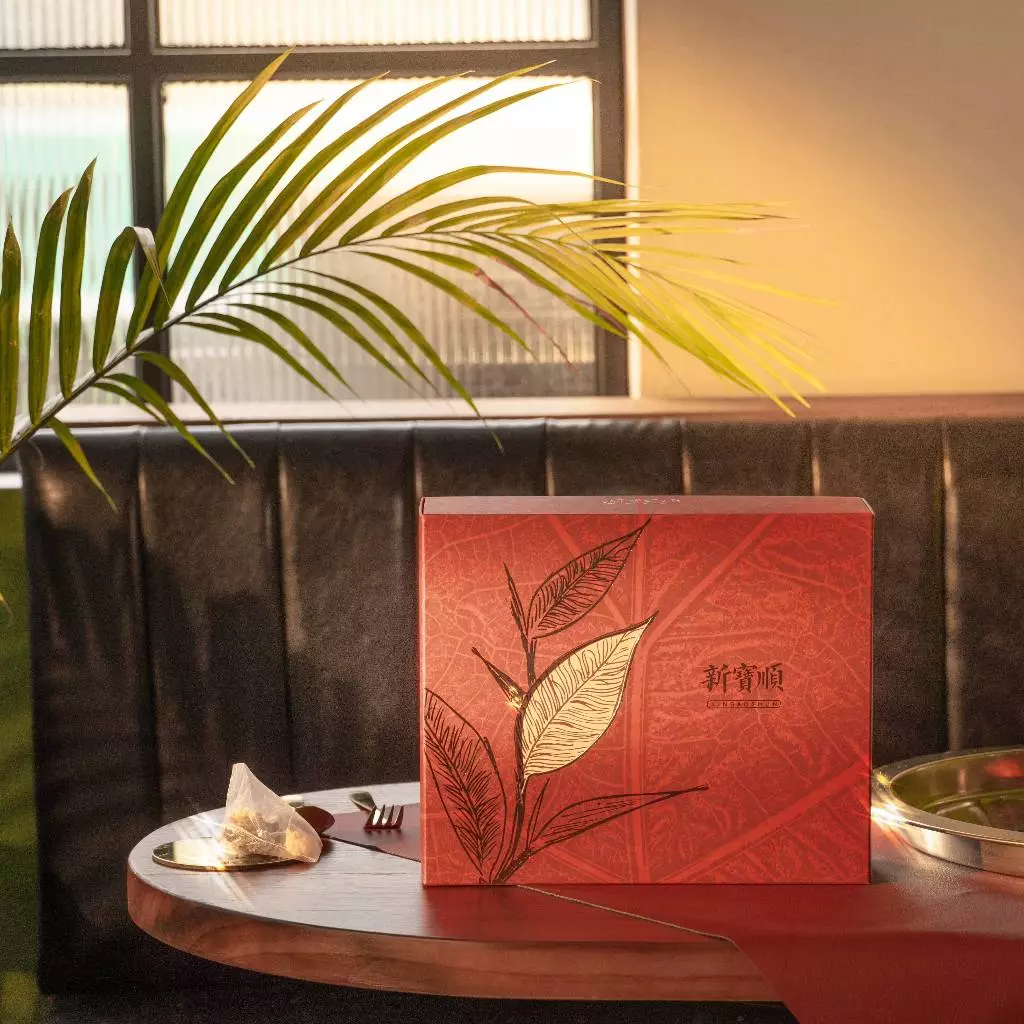
about NT$500
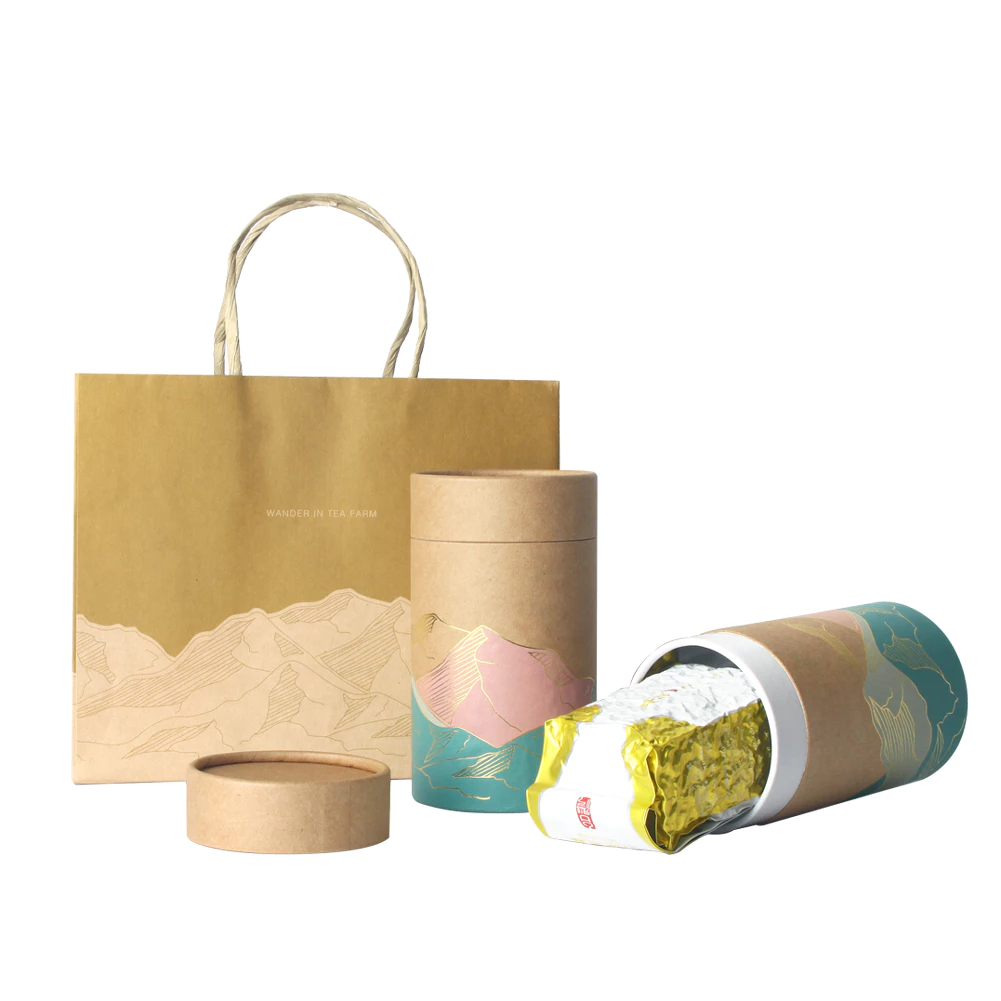
about NT$480
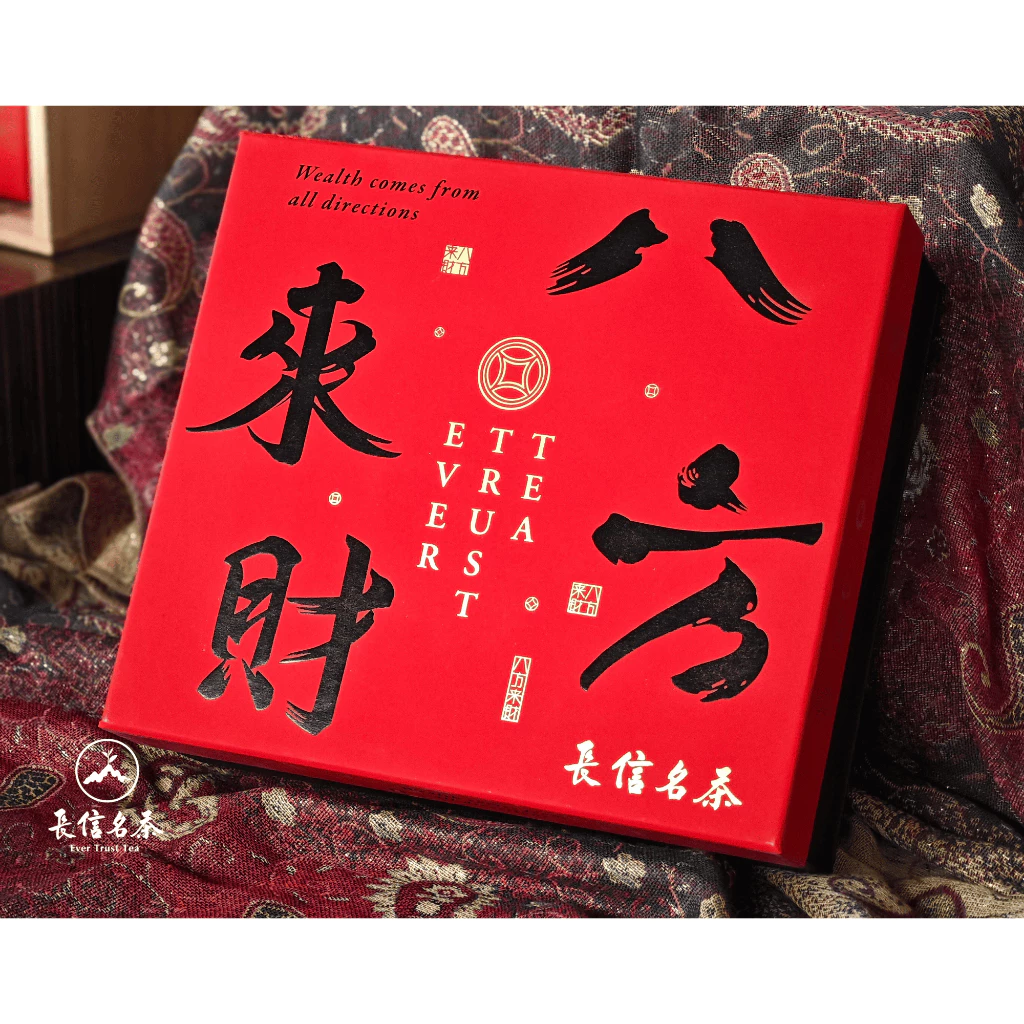
about NT$880
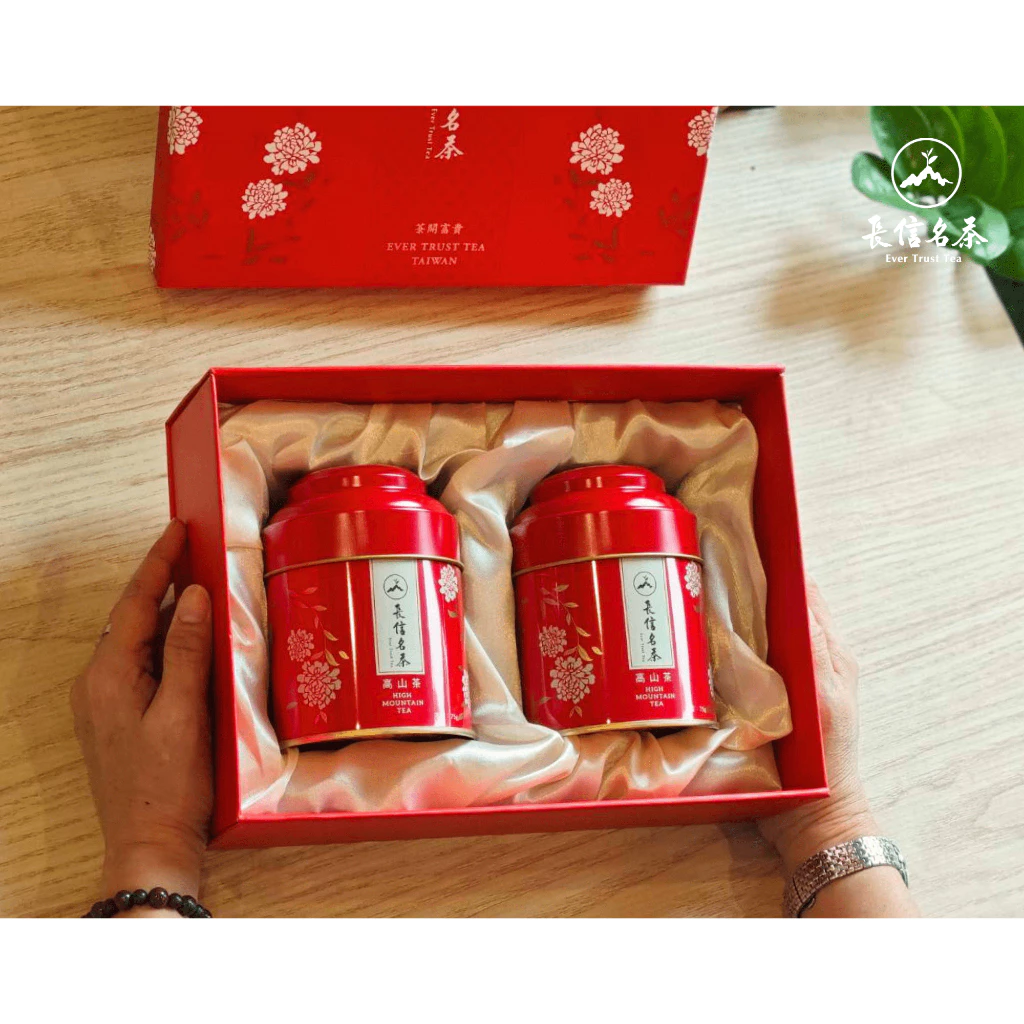
about NT$680
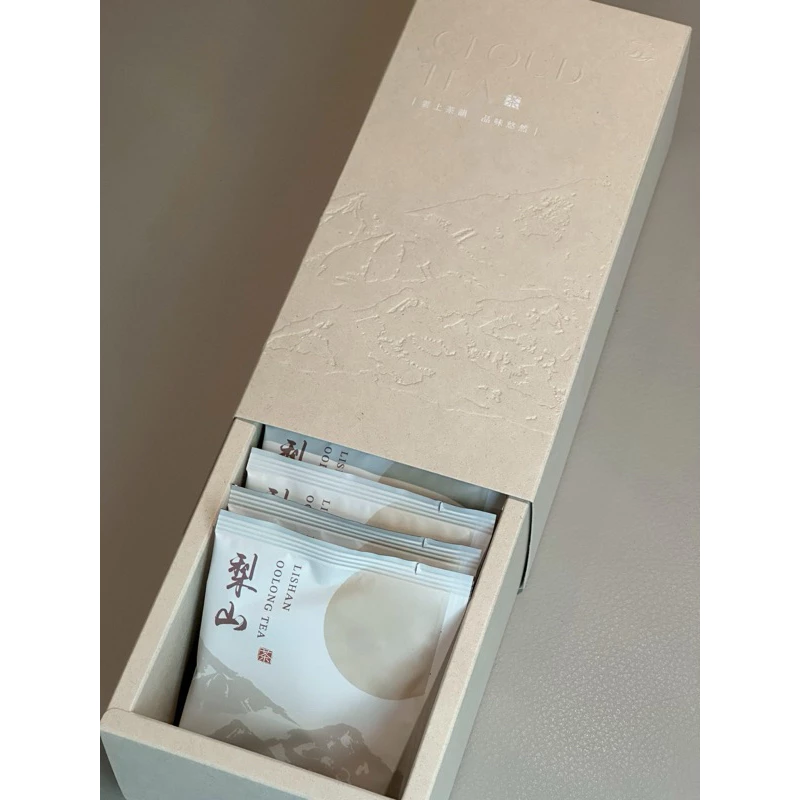
about NT$350
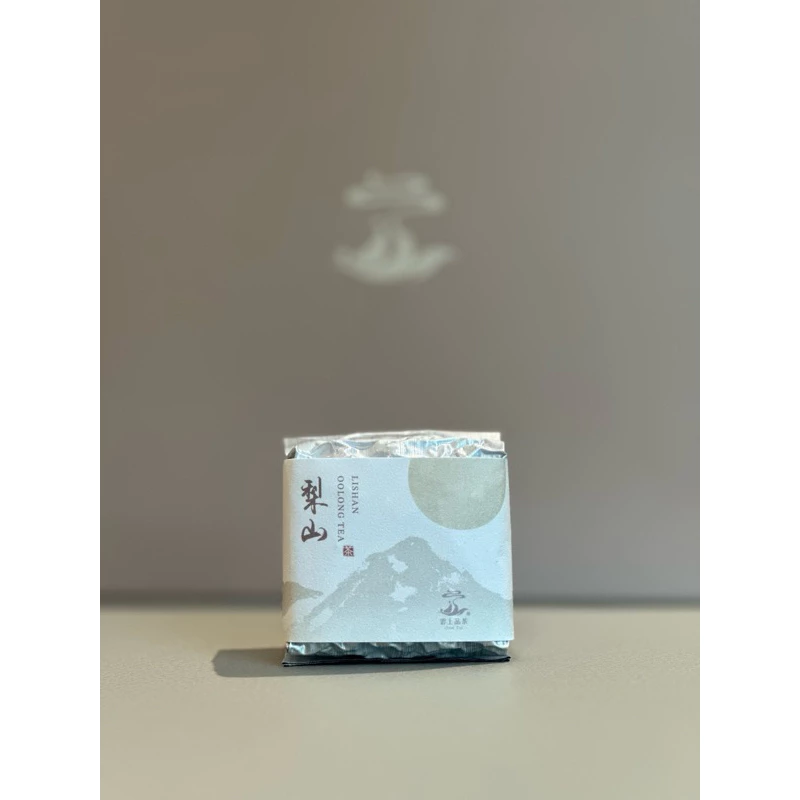
about NT$550
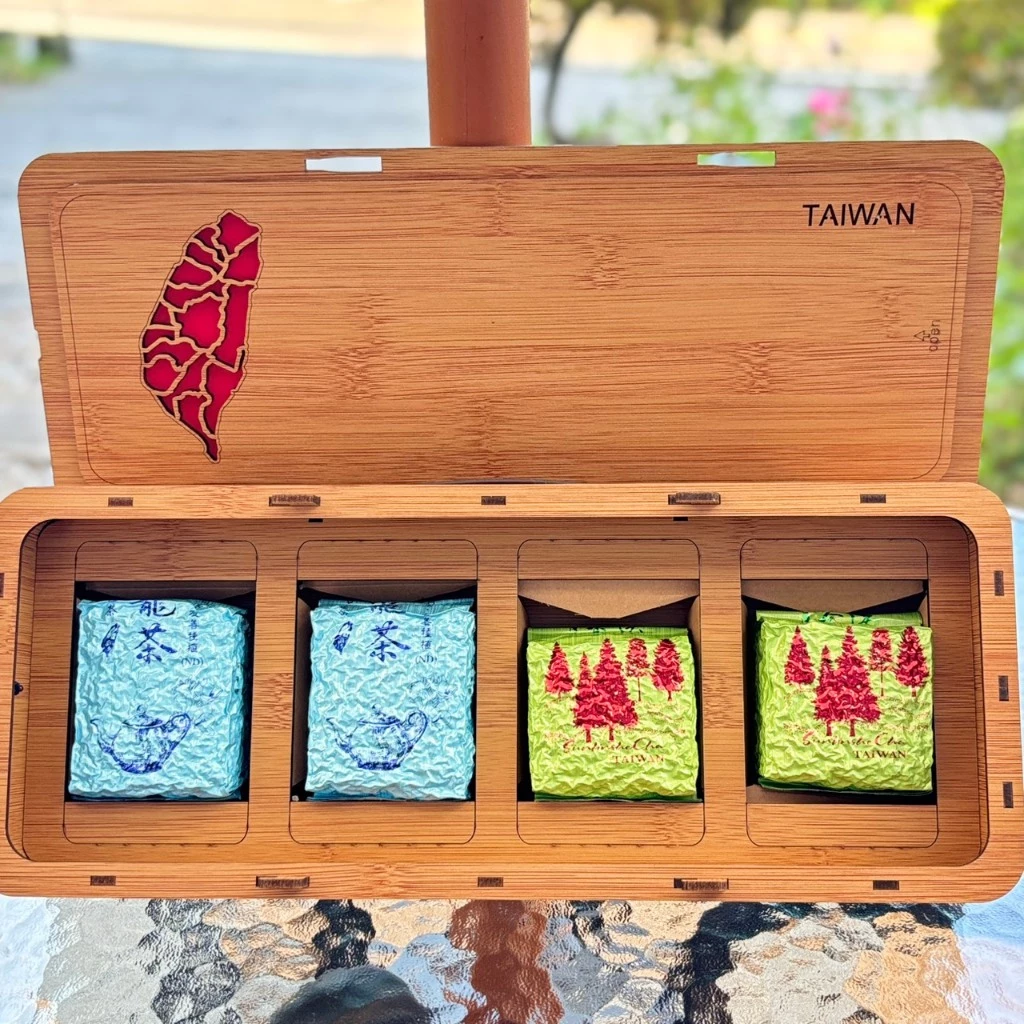
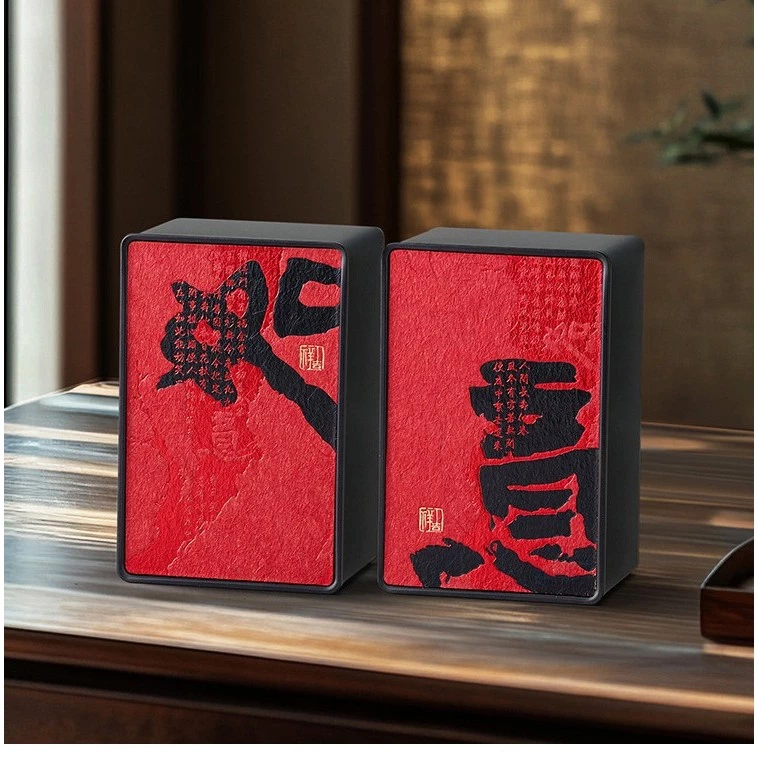
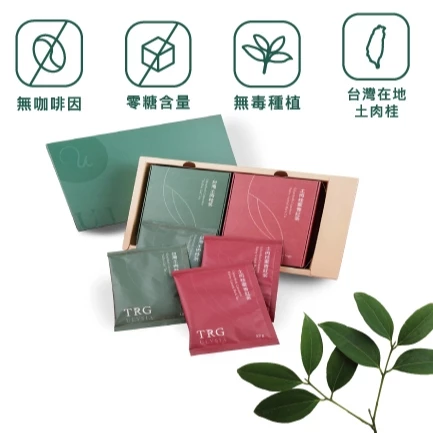
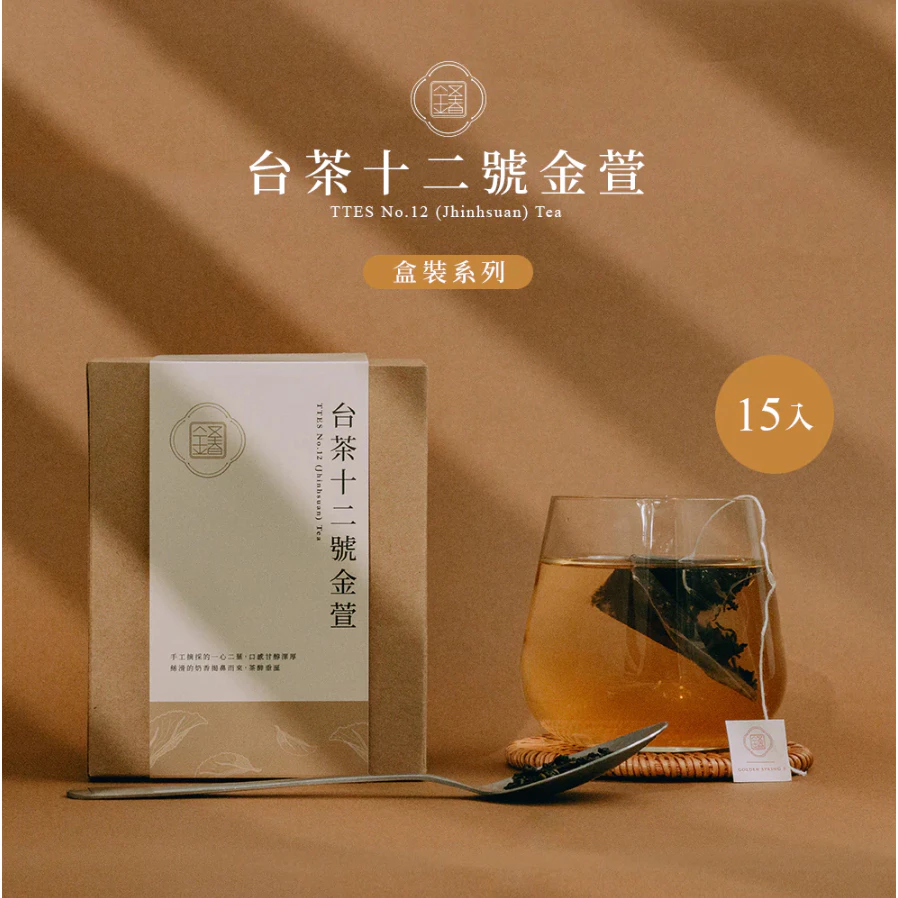
For family and elders4
For a hospital visit, a call on someone, a birthday. Choose easy to drink over rare: the person receiving it may not want to learn a technique.
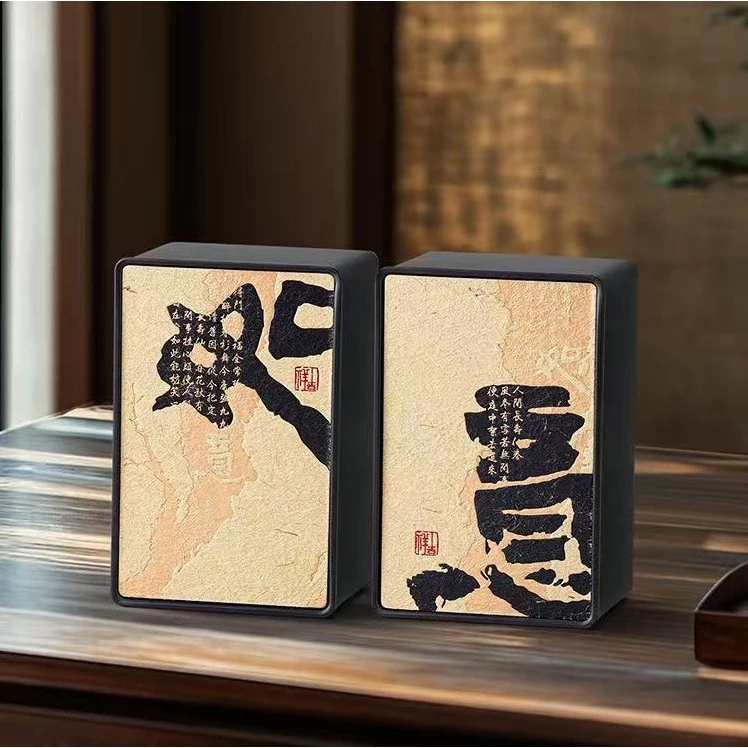
Business gifts6
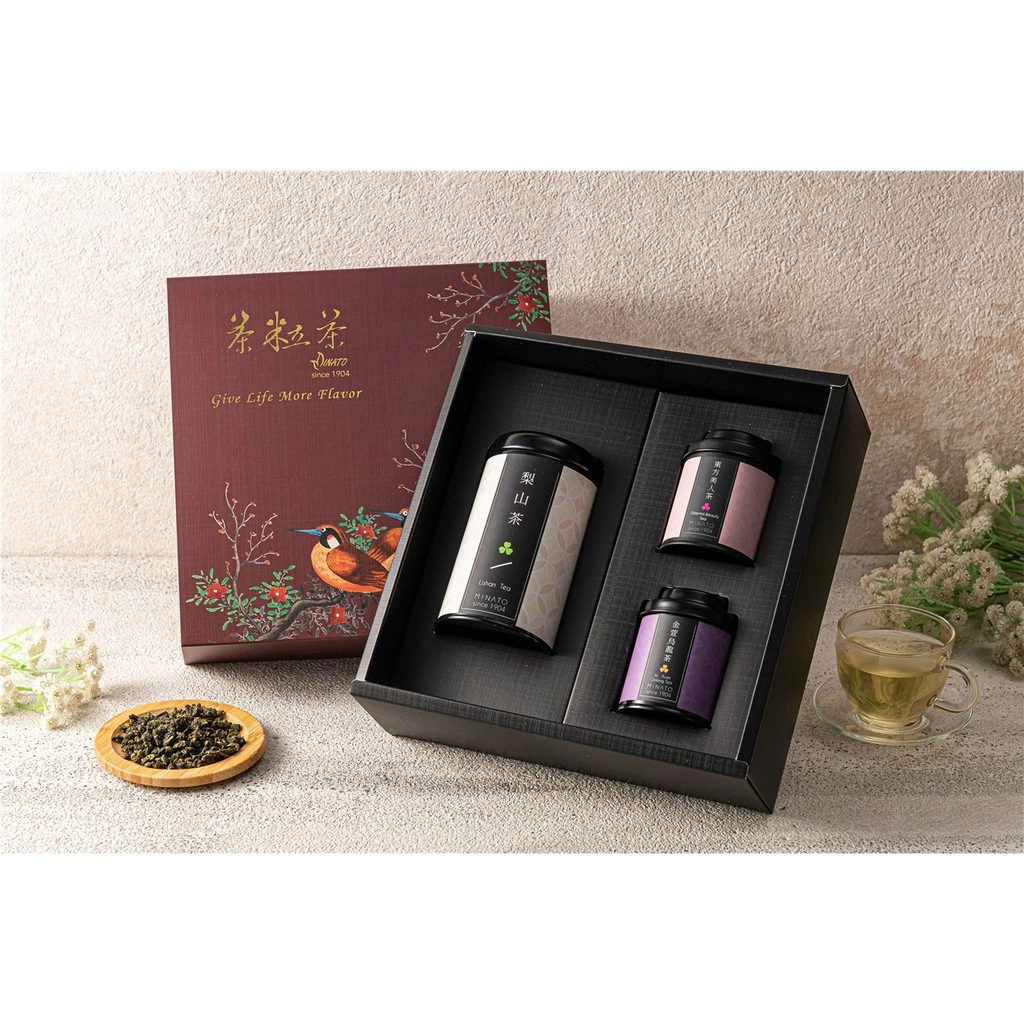
For clients and partners. Not really about price — about being able to answer when they ask what it is.
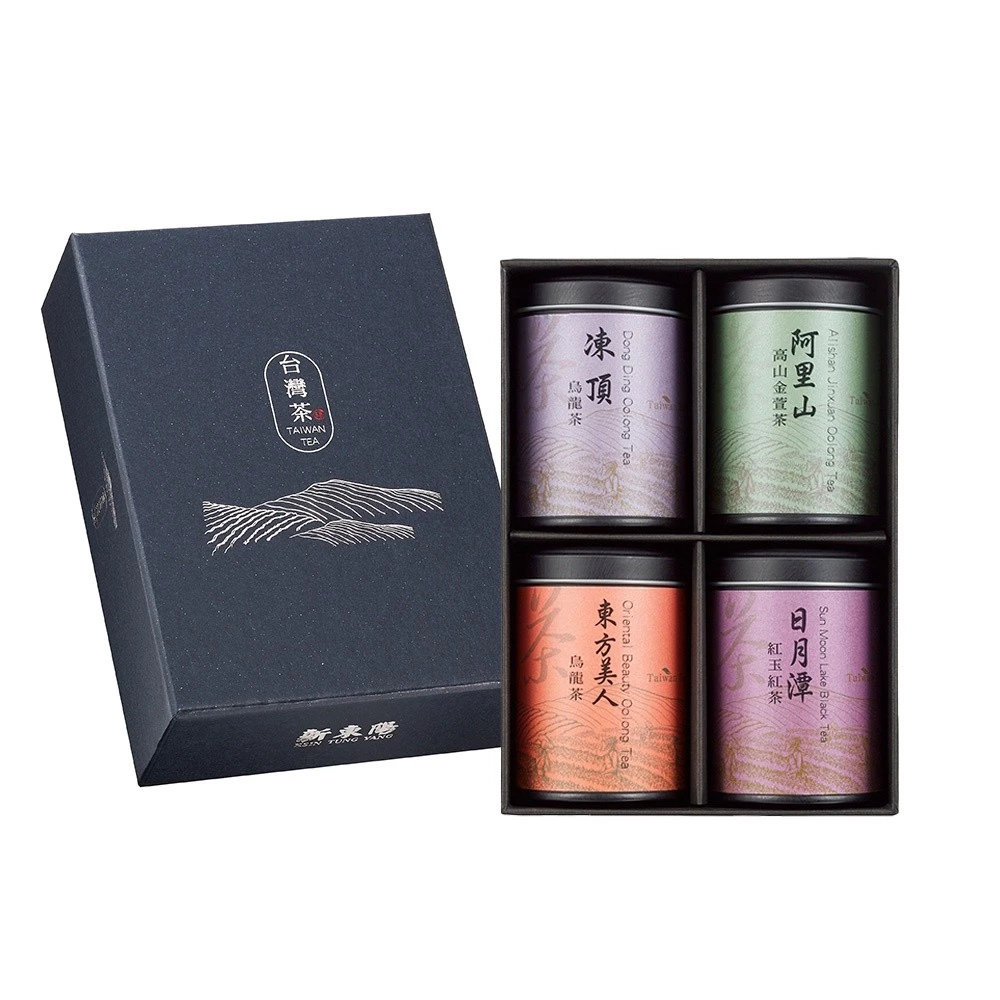
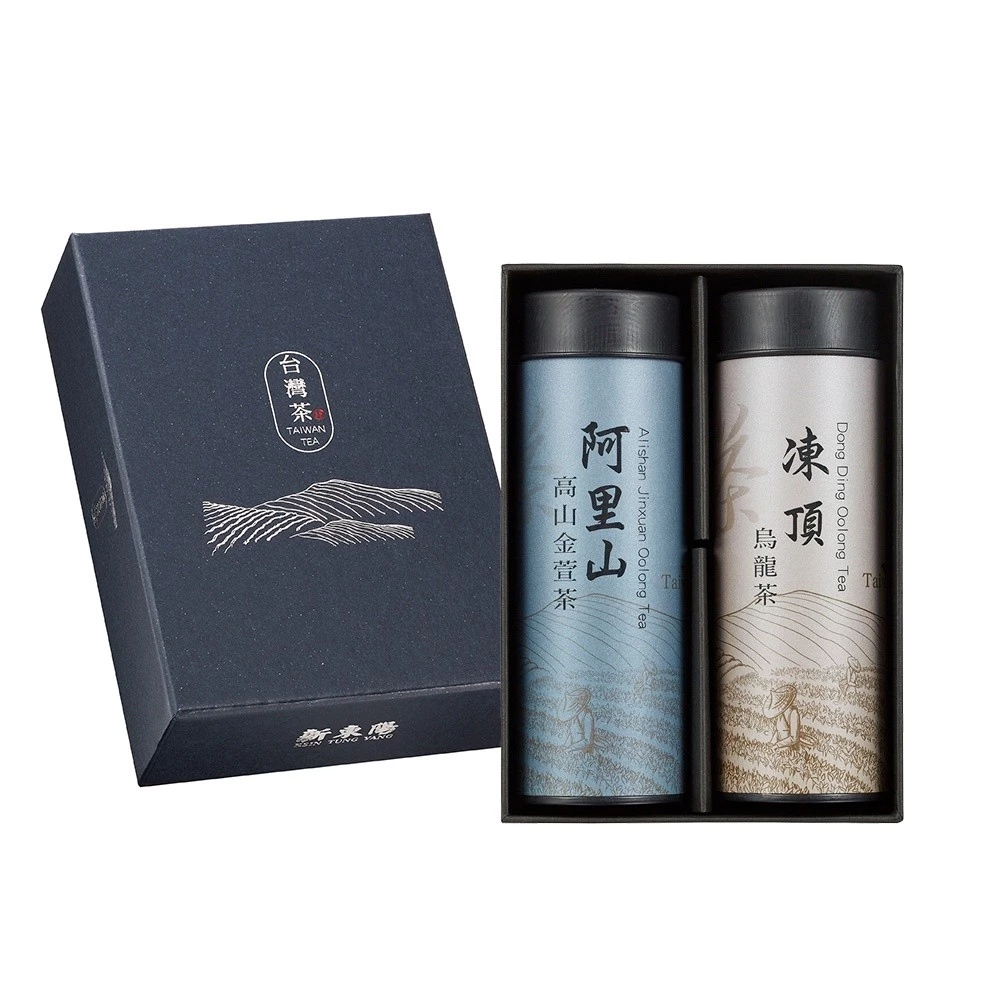
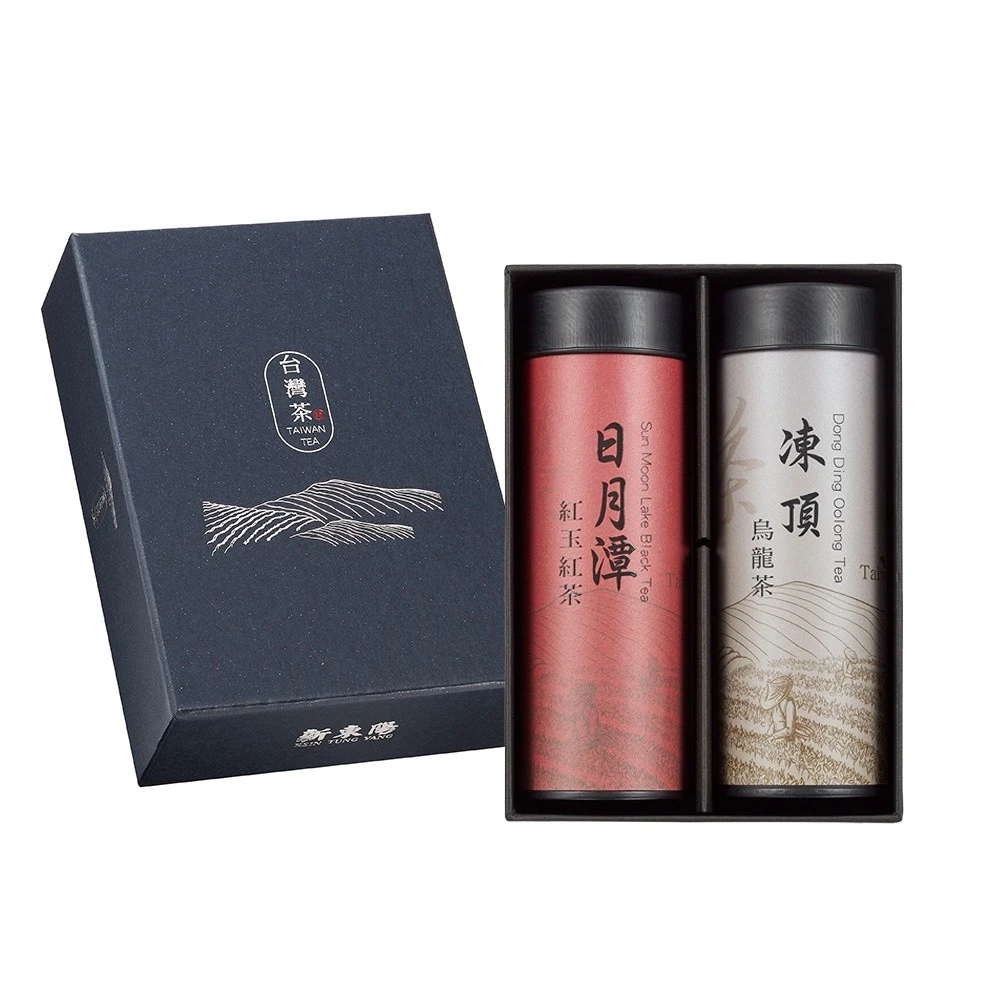
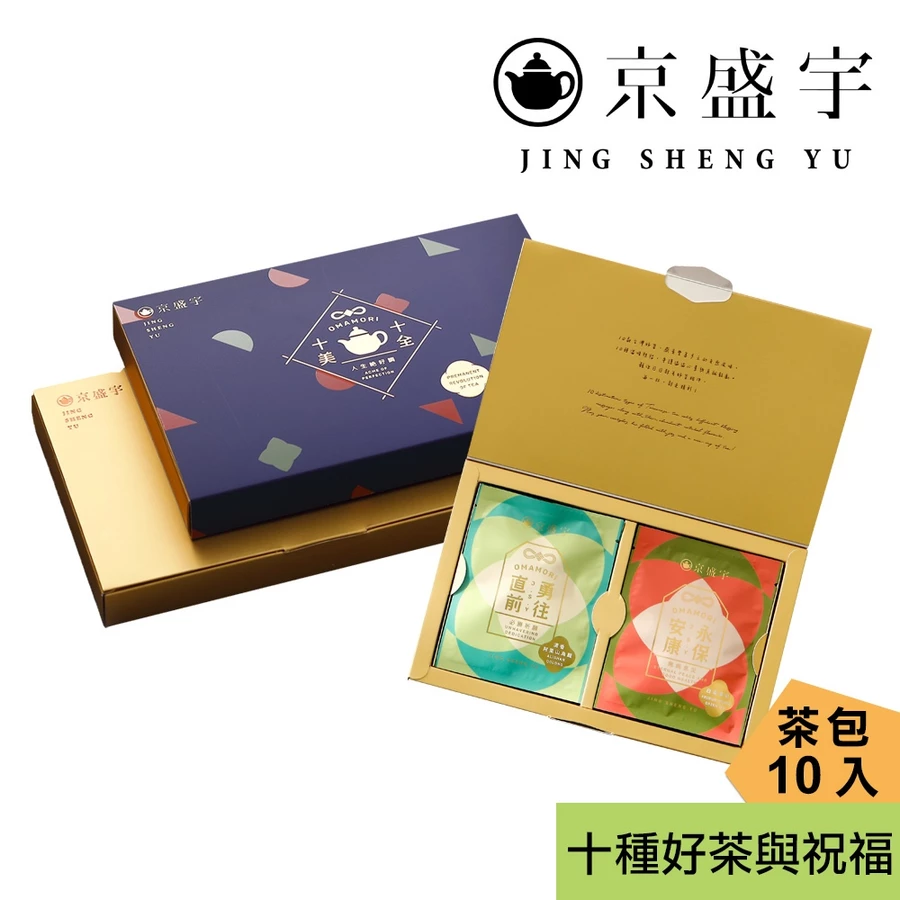
Small gifts and favours4
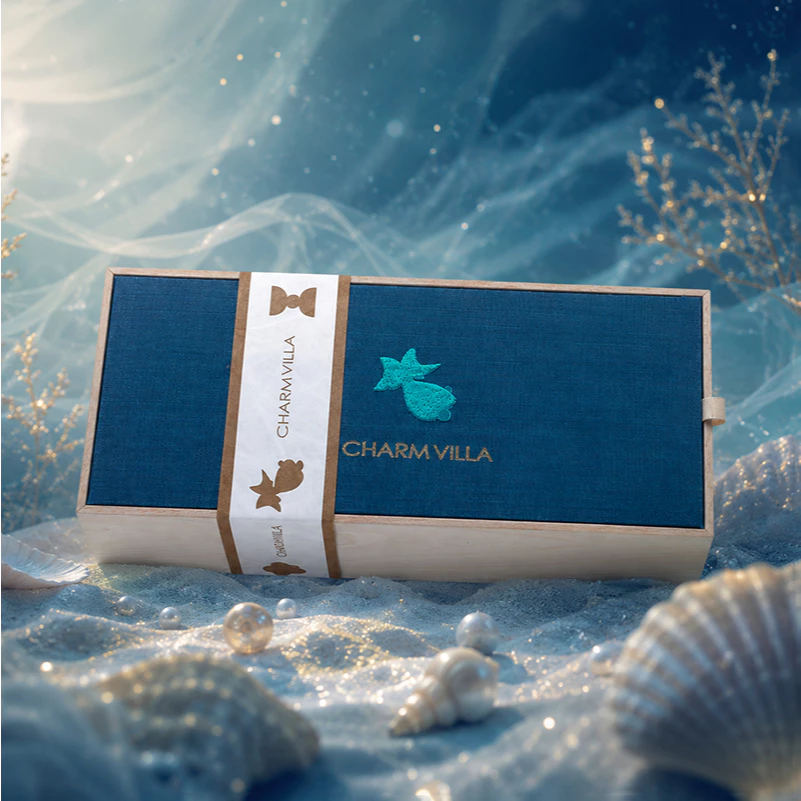
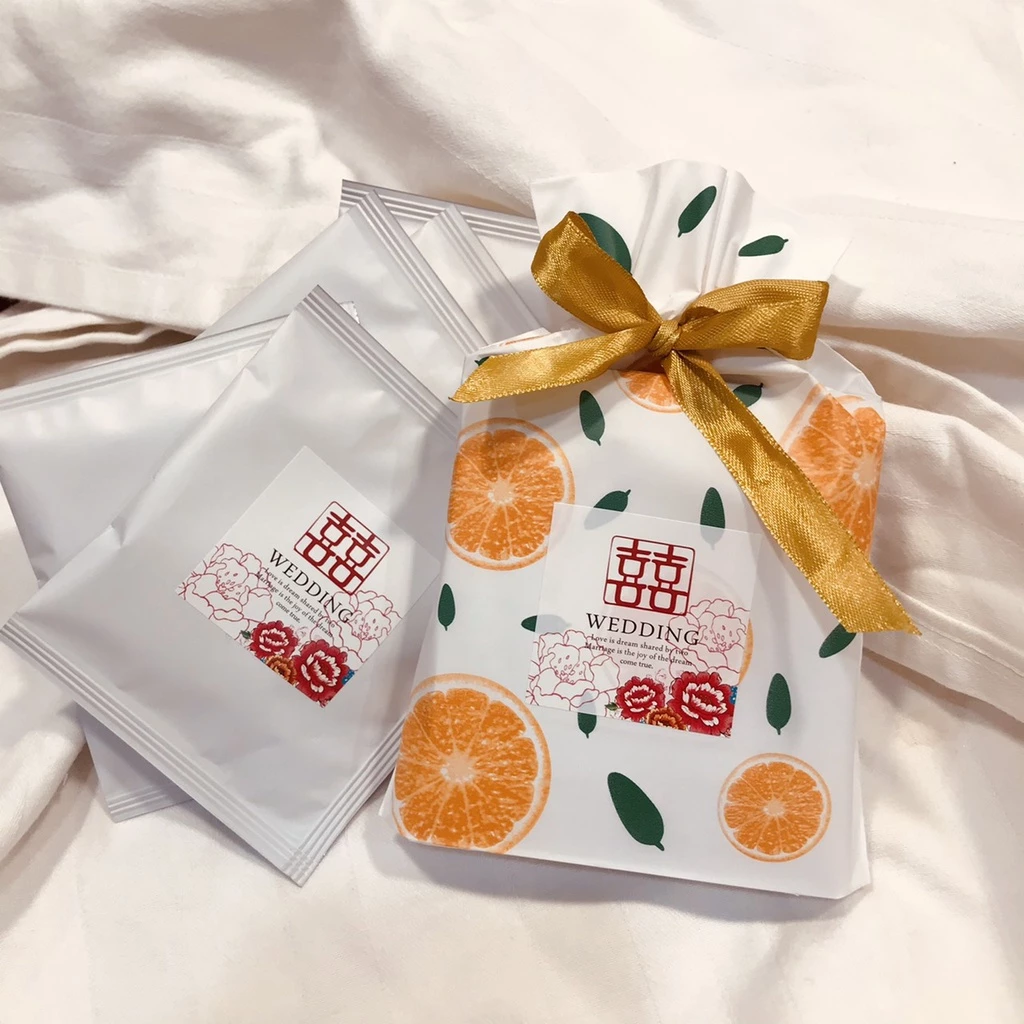
Wedding favours, event giveaways, meeting breaks. A couple of hundred NT each: presentable without putting anyone under obligation.
Things to eat with it7
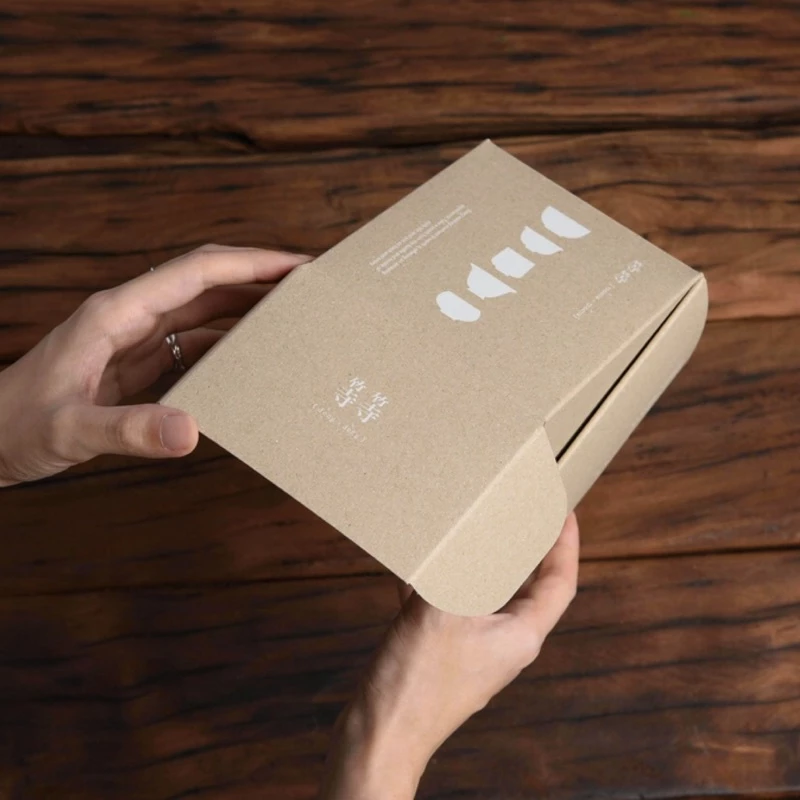
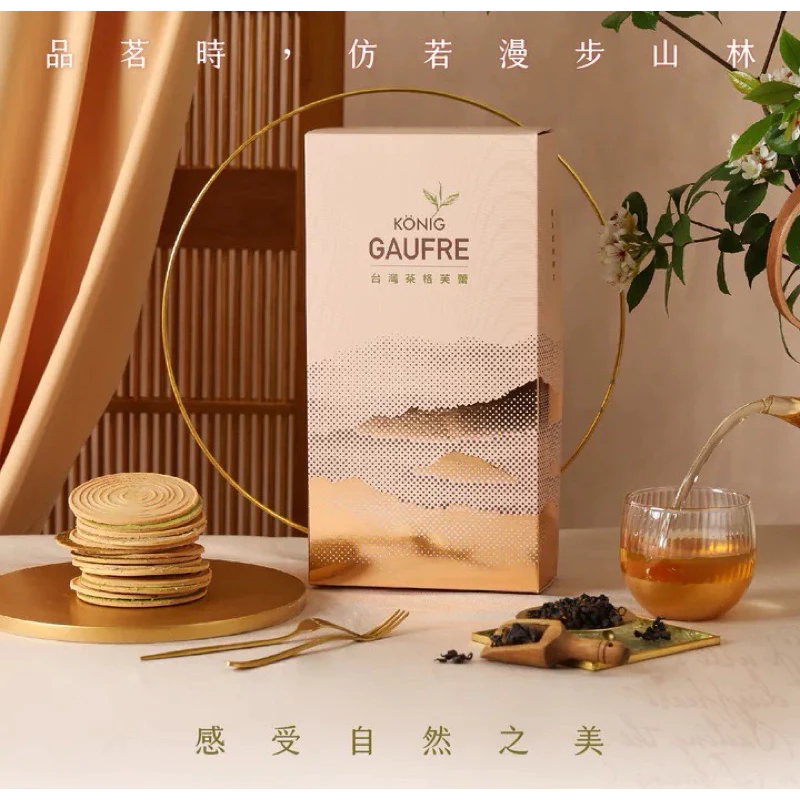
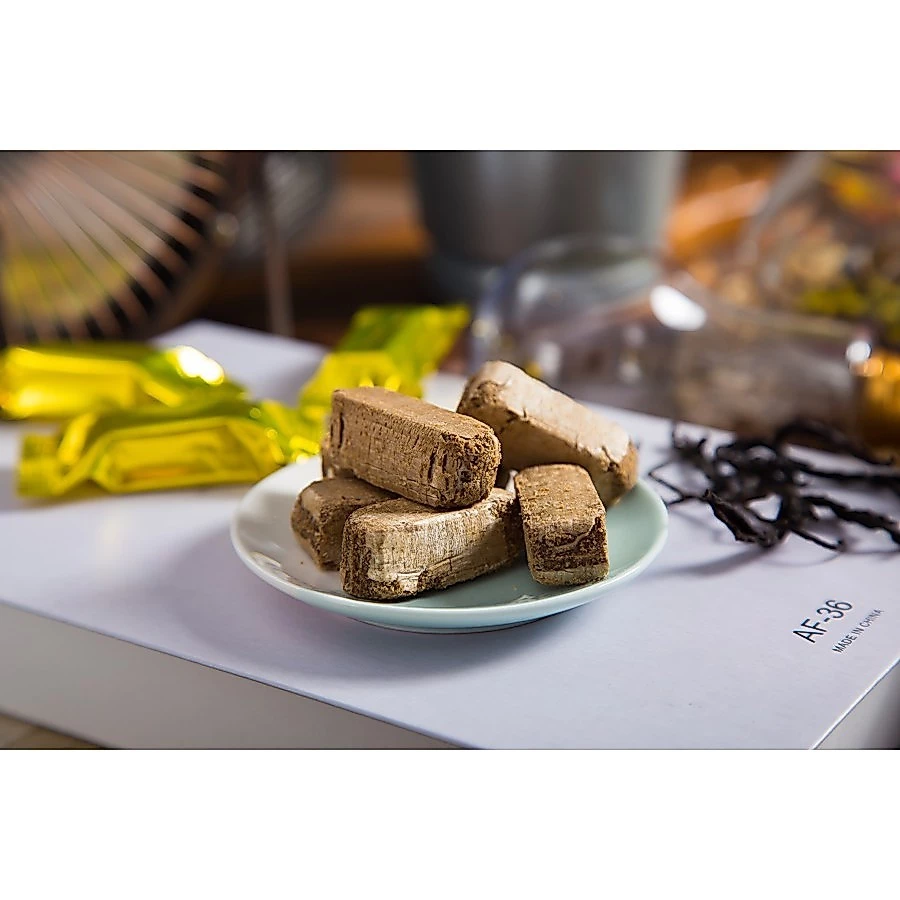
The other half of the table. Taiwanese sweets run on the calendar — mooncakes and salted-yolk pastries at the Mid-Autumn festival, mochi and biscuits the rest of the year. Match by fat: flaky and buttery wants a roasted tea, light wants light.

Opens the 犁茶品記 store

Opens the 犁茶品記 store

Opens the 犁茶品記 store

Opens the 七三茶堂 store

Opens the 犁茶品記 store

Opens the 犁茶品記 store

Opens the 犁茶品記 store
Things made from tea17
Not for drinking: tea pillows, tea soap, straws made from tea fibre, washes with tea in them. Where the leaves and seeds go after the tea is made.
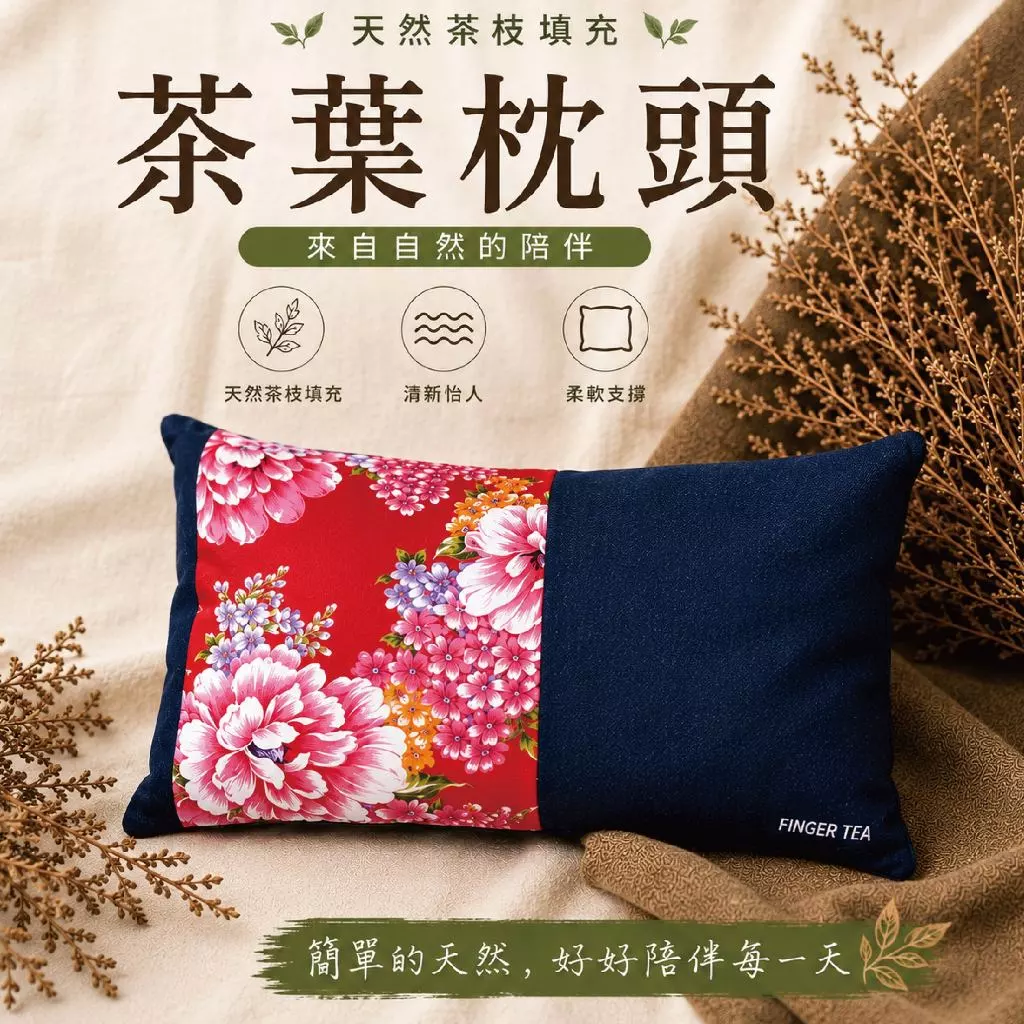
about NT$230
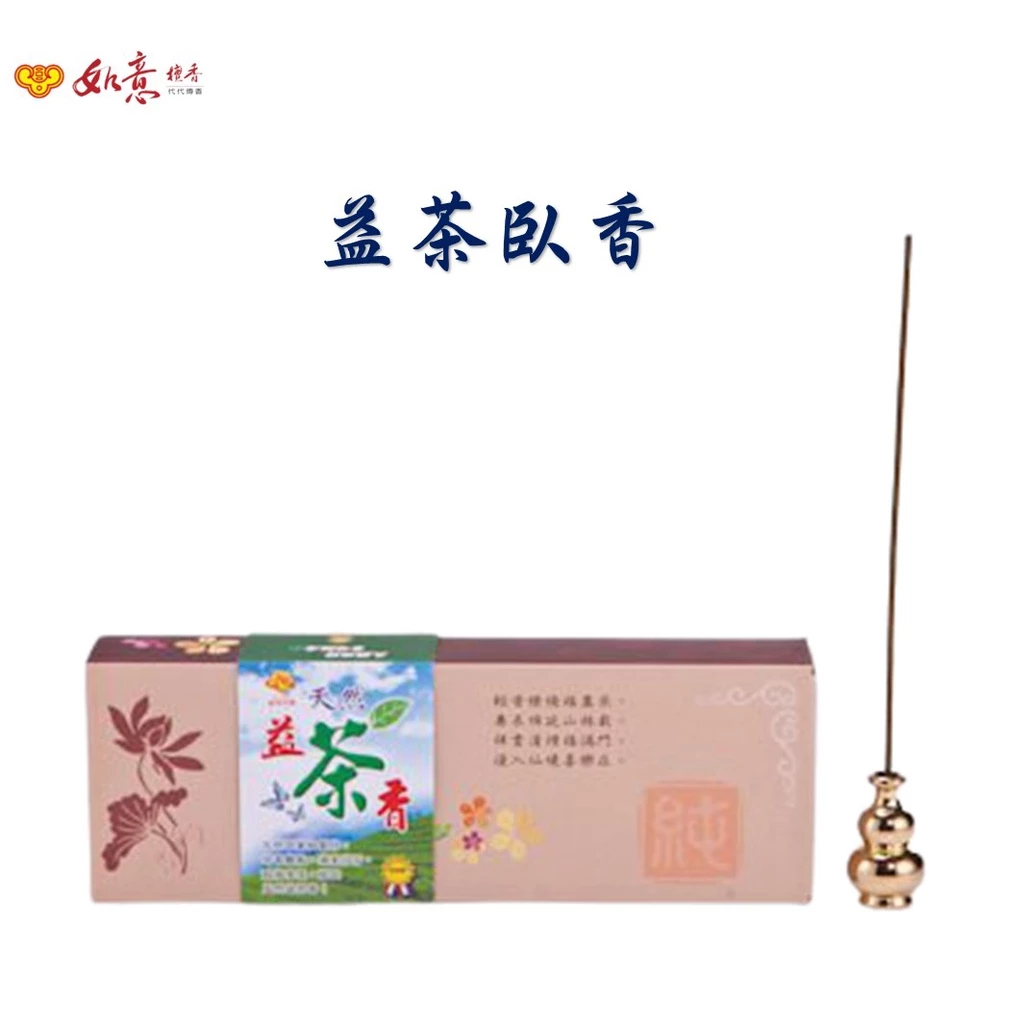
about NT$350
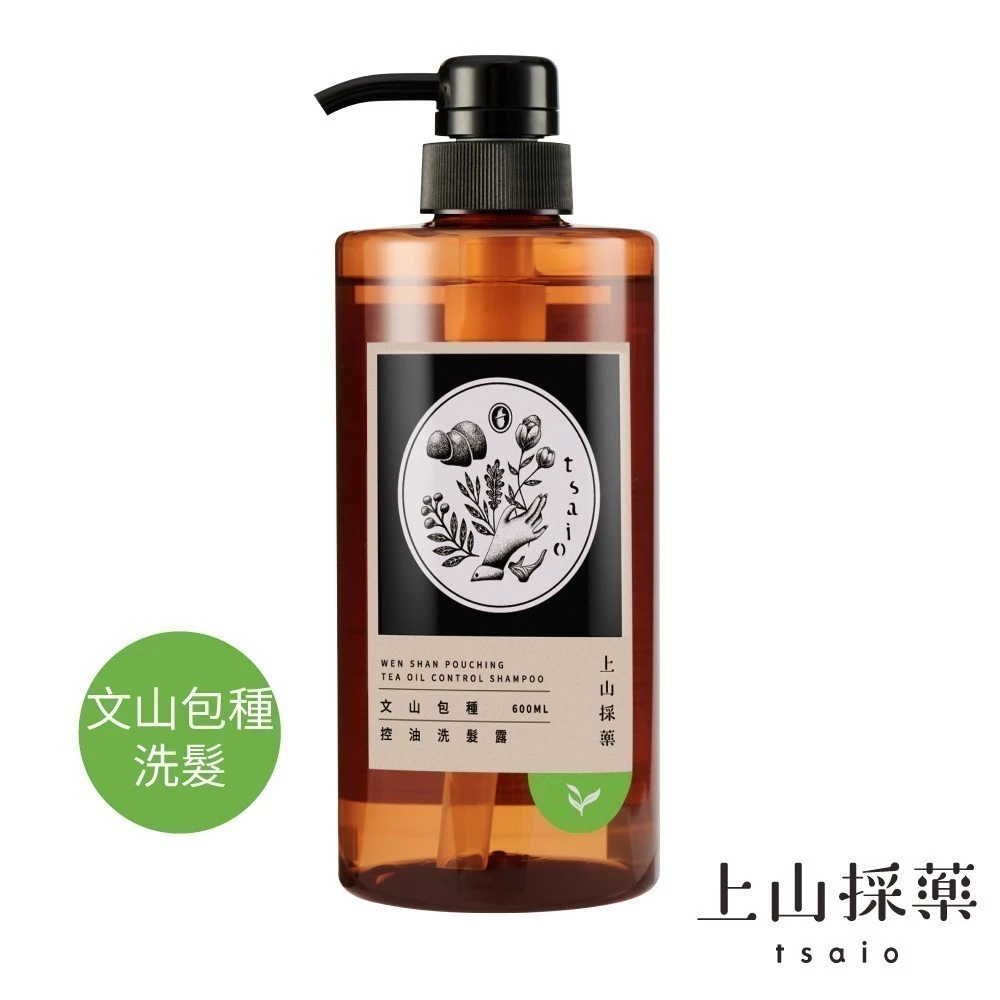
about NT$199
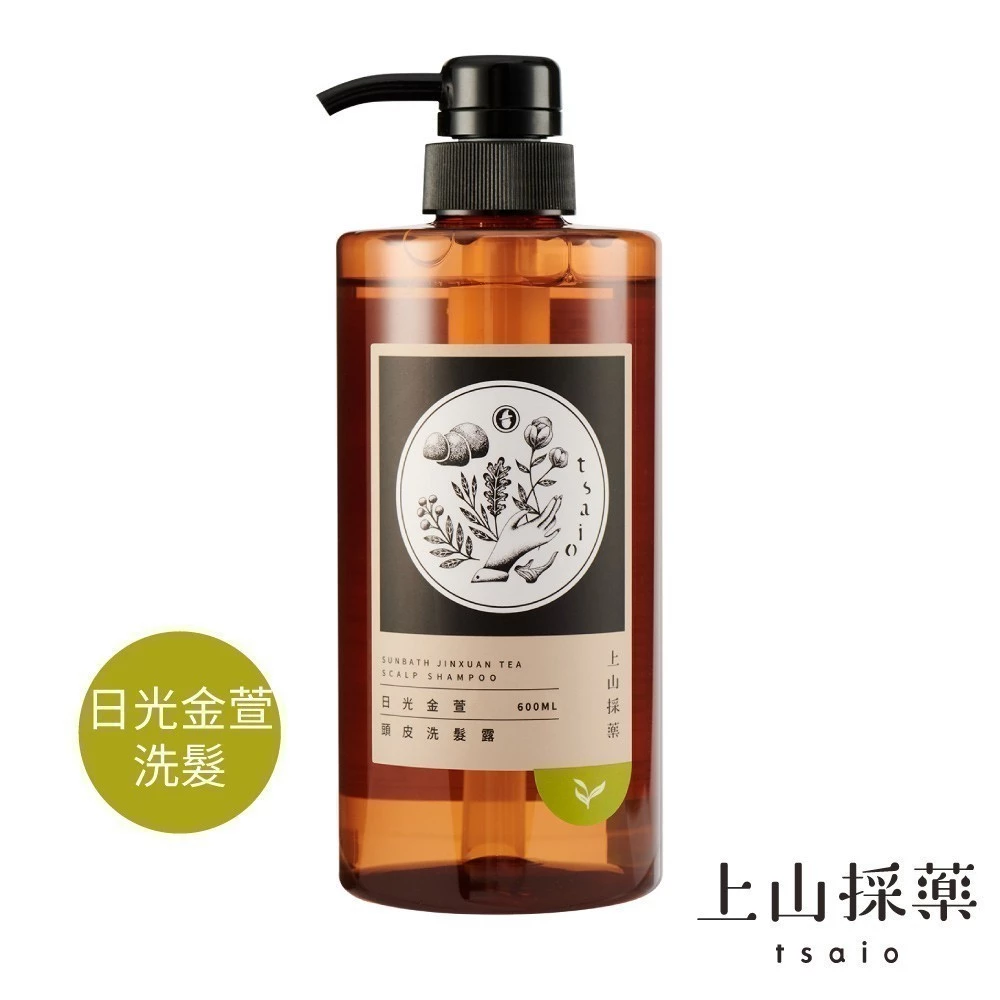
about NT$199
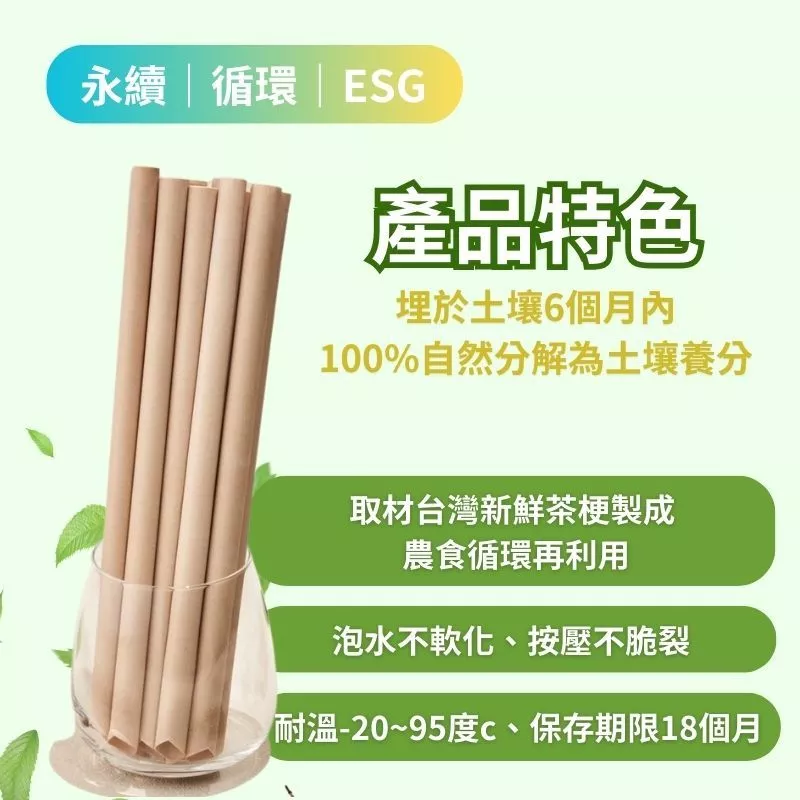
about NT$120
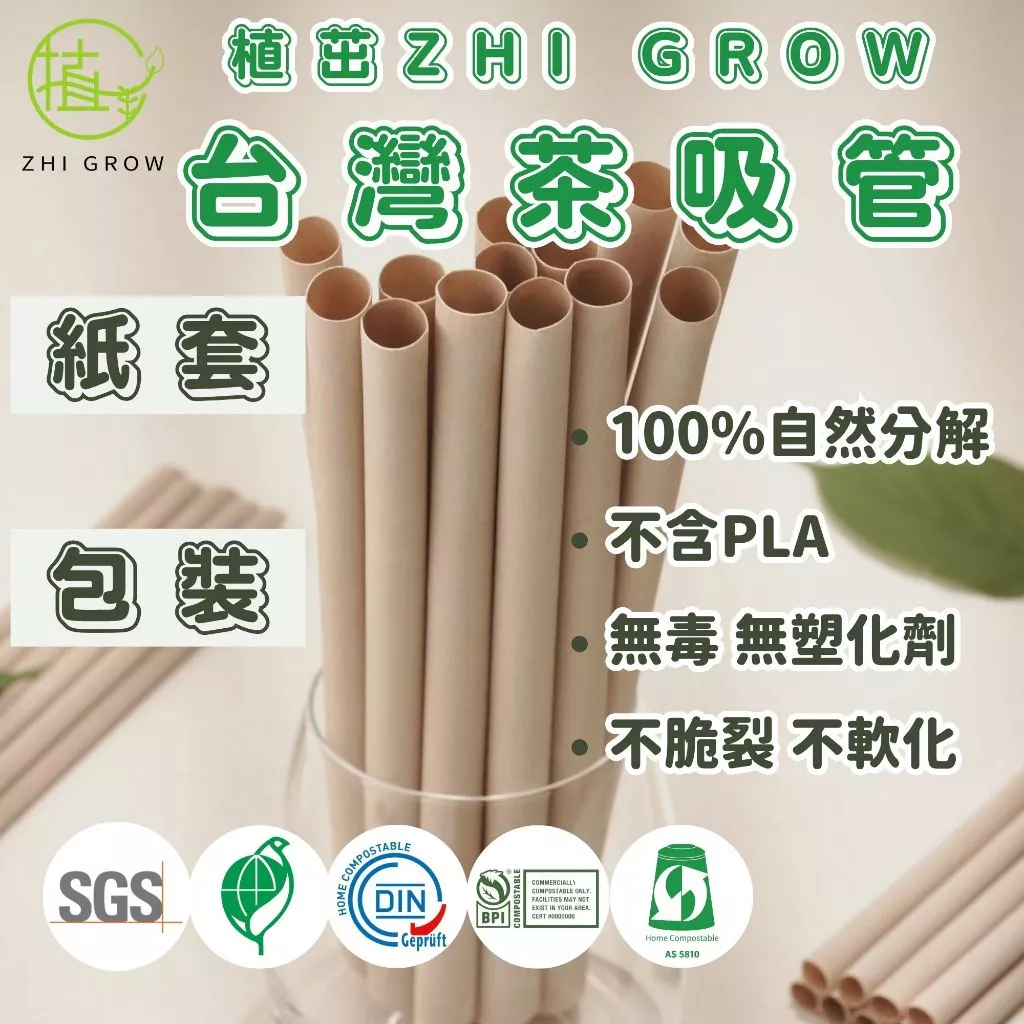
about NT$120
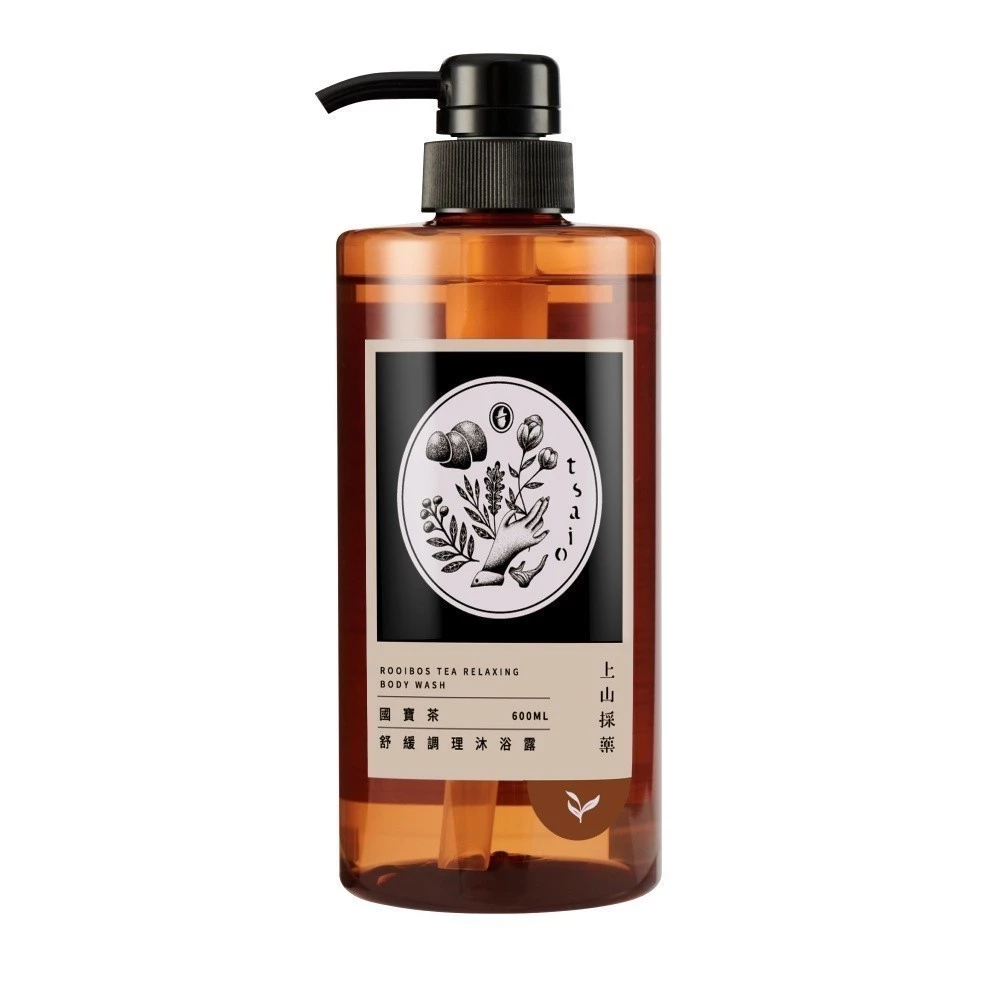
about NT$199
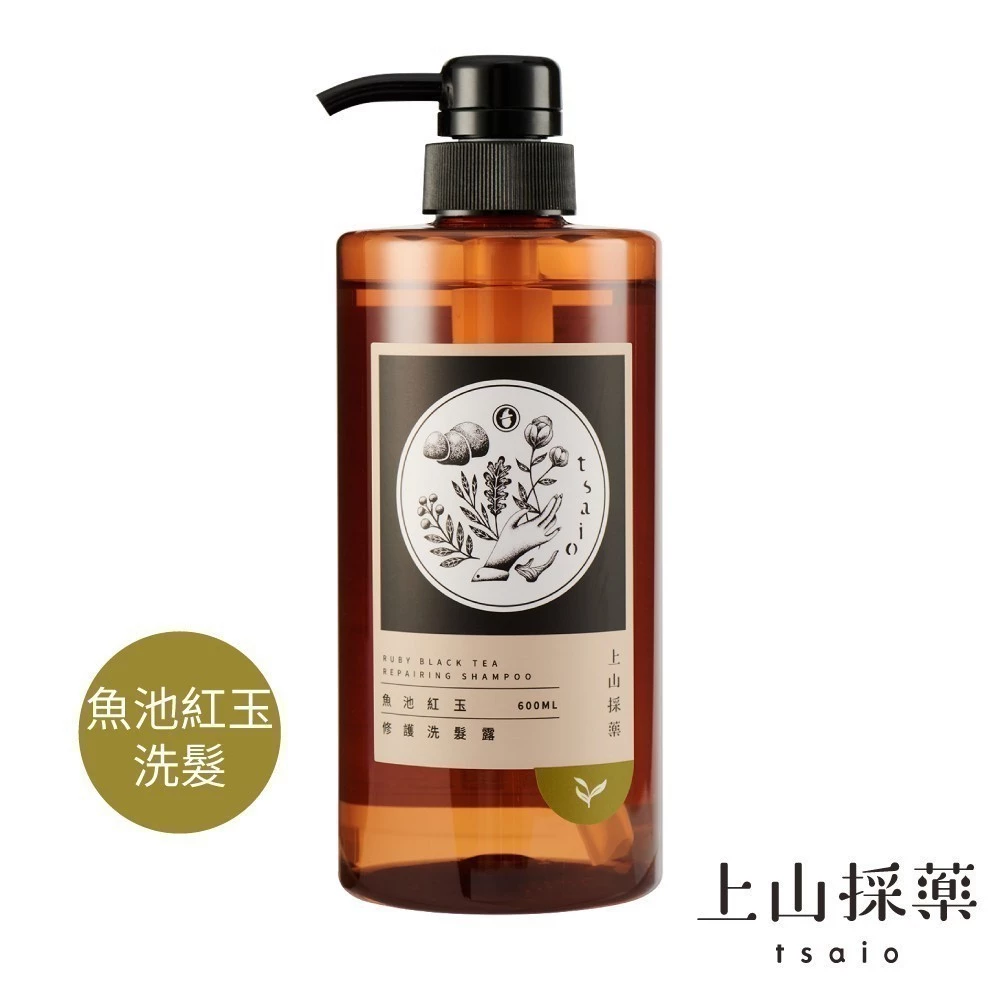
about NT$199
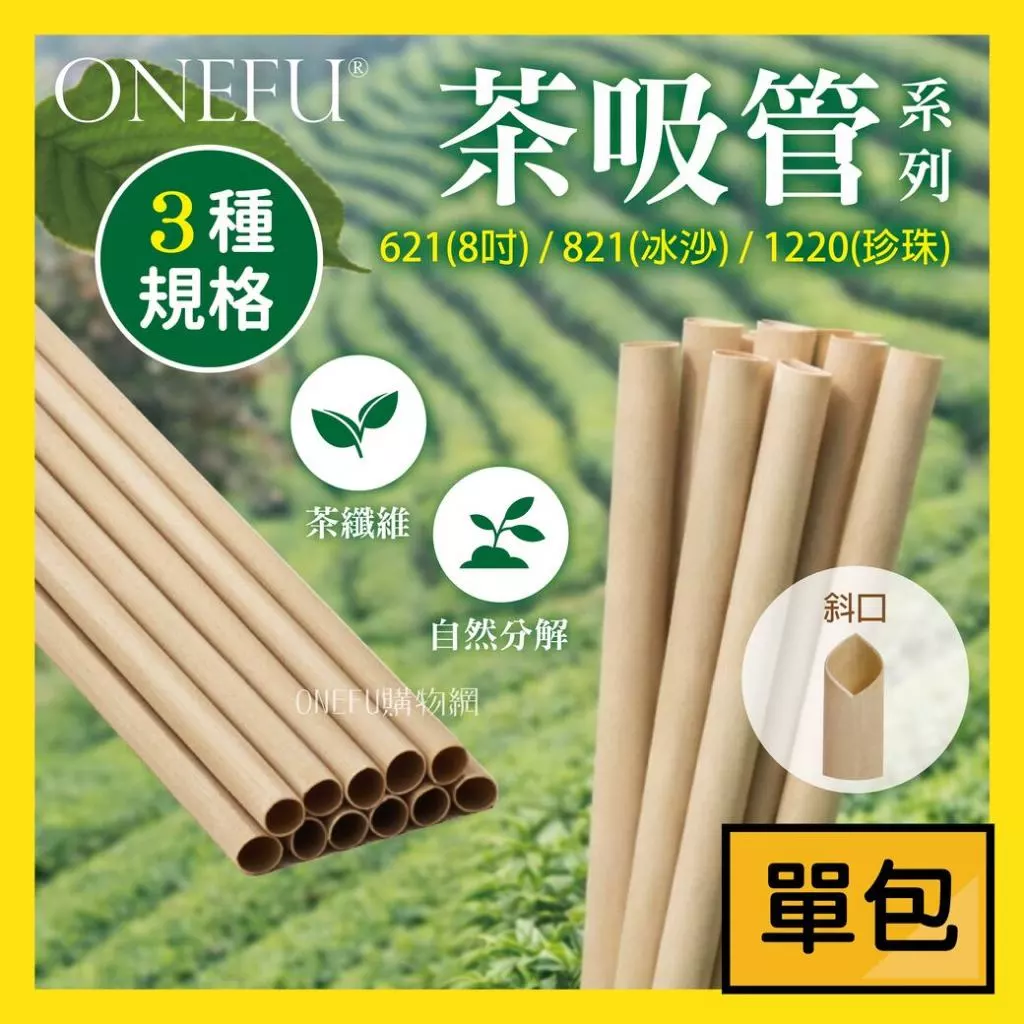
about NT$170
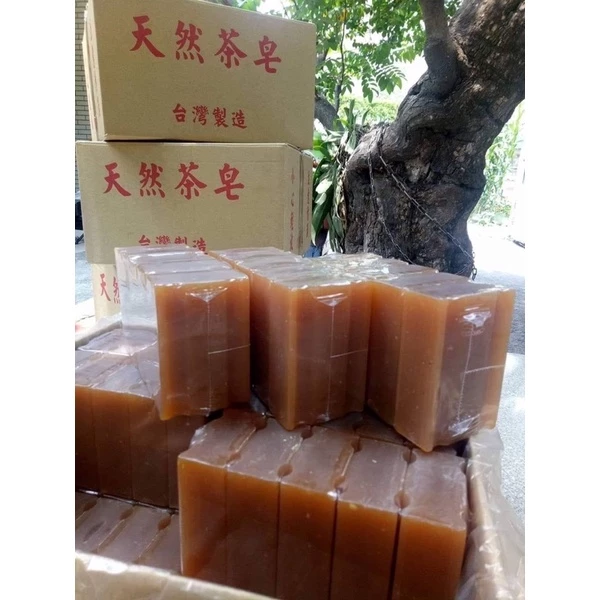
about NT$72
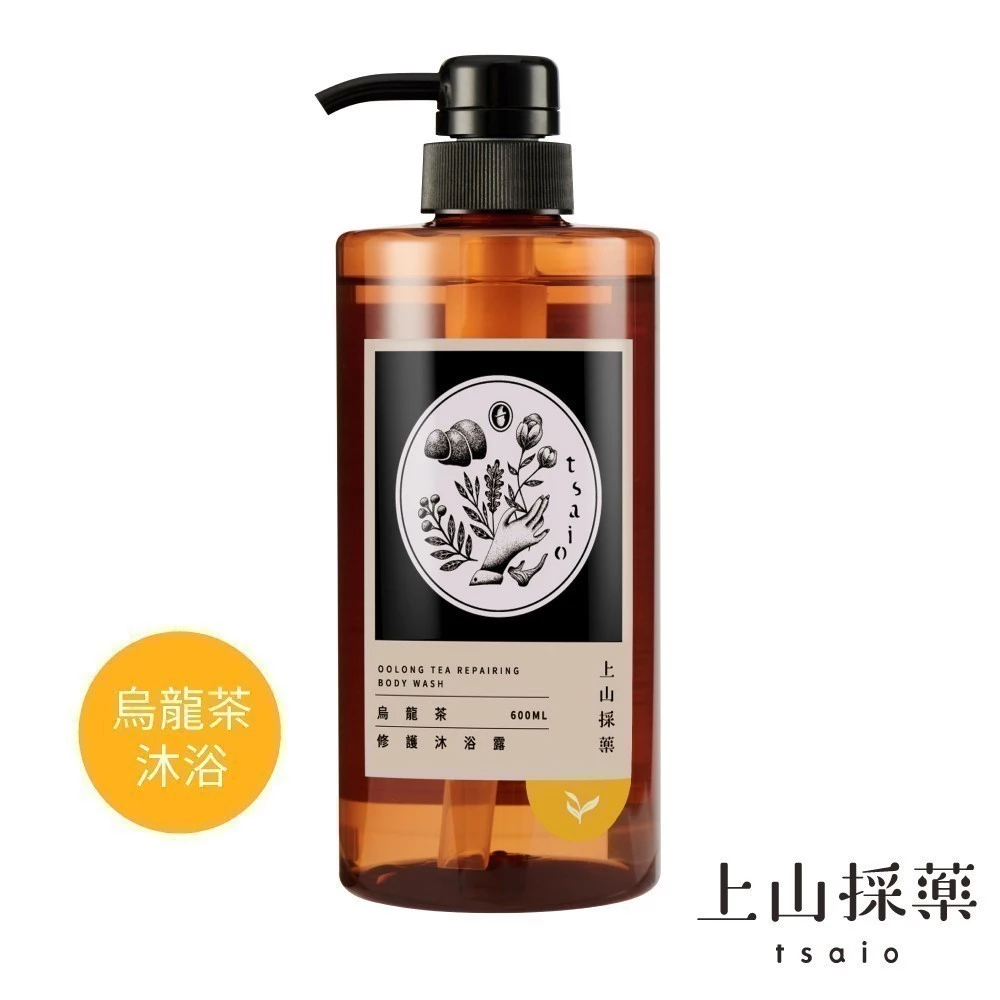
about NT$199
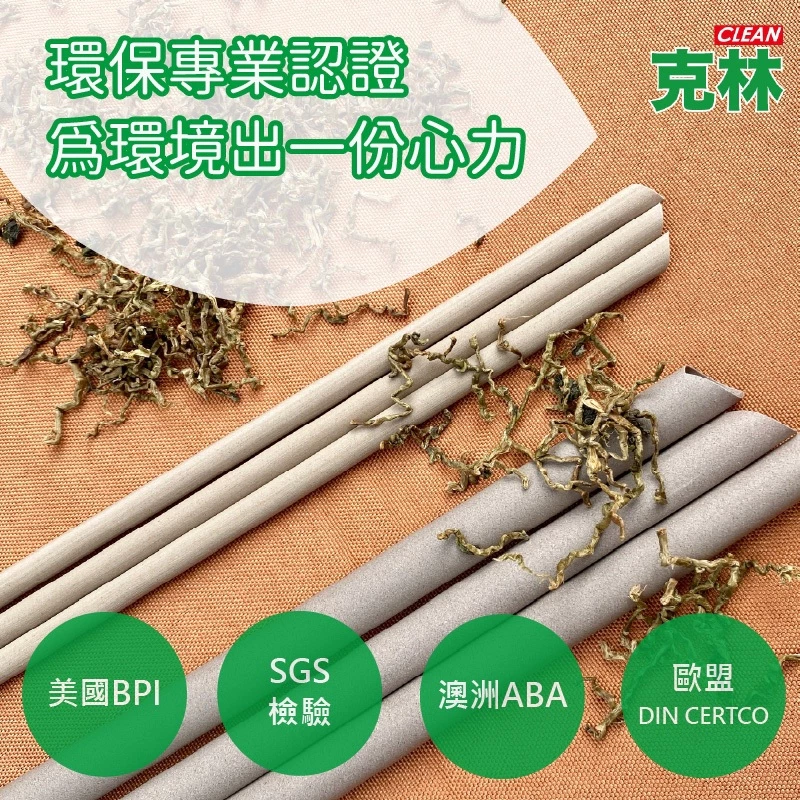
about NT$260
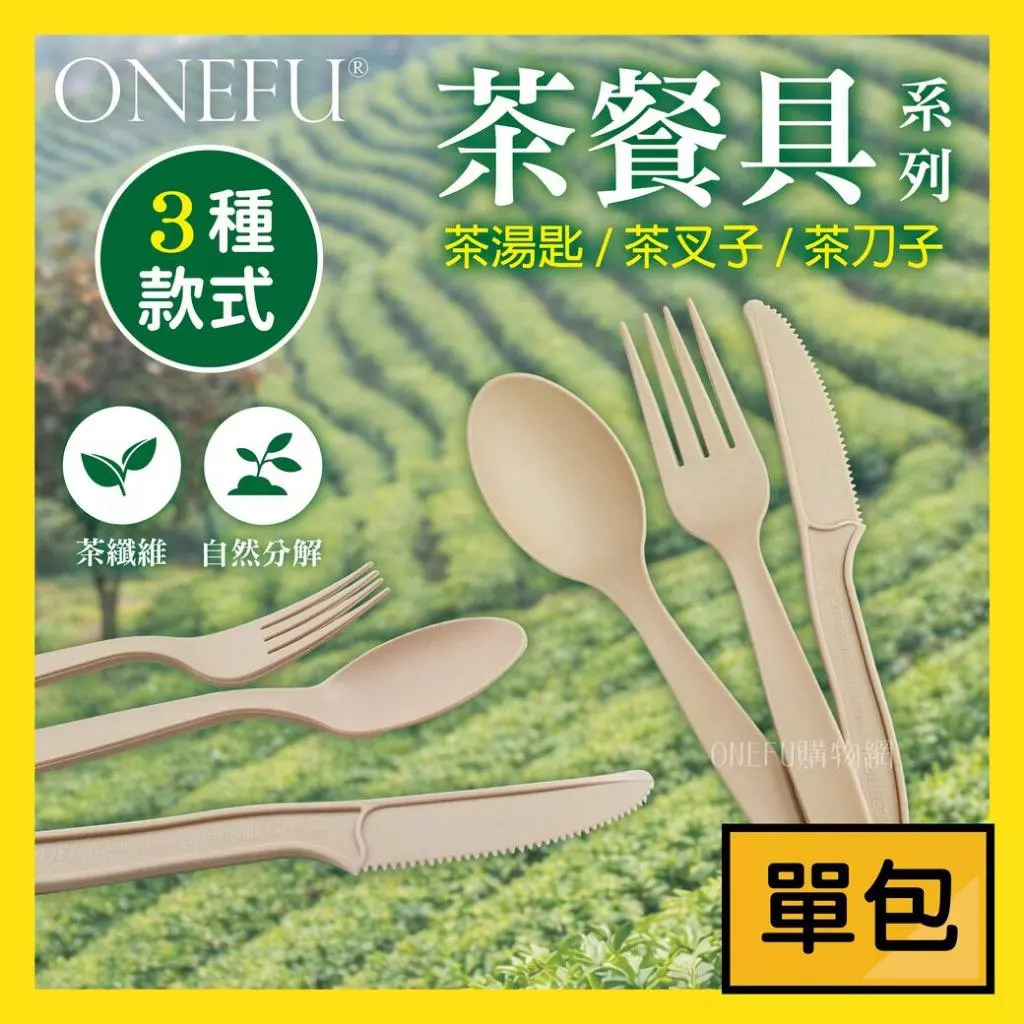
about NT$150

Opens the 七三茶堂 store

Opens the 七三茶堂 store

Opens the 七三茶堂 store

Opens the 七三茶堂 store
Everyday: the one you drink every day6
An everyday tea does not need to be the best one. It needs to survive being made badly. Five degrees off, a minute too long in the pot, and it should still be drinkable. That is what daily drinking asks for.
Three things to check
- Check the brewing tolerance field — four and above forgives mistakes
- Low-to-mid elevation oolong under NT$2,000 a jin is more than enough for every day
- Buy 30–75 g first. A full jin outlives the two months it stays at its best
At a desk: what actually works6
The constraints at a desk are specific: a water cooler, no thermometer, and a meeting that makes you forget the pot. So the tea has to work hot and cold, and survive being over-brewed.
Three things to check
- Cold-brew in eight hours or less: into the fridge at night, ready to take in the morning
- No thermometer: boil, then wait two minutes — that lands around 90 °C
- Rolled oolong is more forgiving than strip-shaped tea when it sits in the cup for half an hour
Cold brew: without the bite6
Cold brew turning bitter is almost never the tea. It is the timing. Cold water extracts slowly, and drinking it too early gives you the astringency without the sweetness. Leaving it overnight for twelve hours is the other mistake.
Three things to check
- Every tea page states its own cold-brew time. Across the site they run from five to twelve hours
- Lightly oxidised teas keep their floral aroma cold. Heavily oxidised ones tend to go flat
- Five grams to five hundred millilitres. More leaf does not make it stronger, only harsher
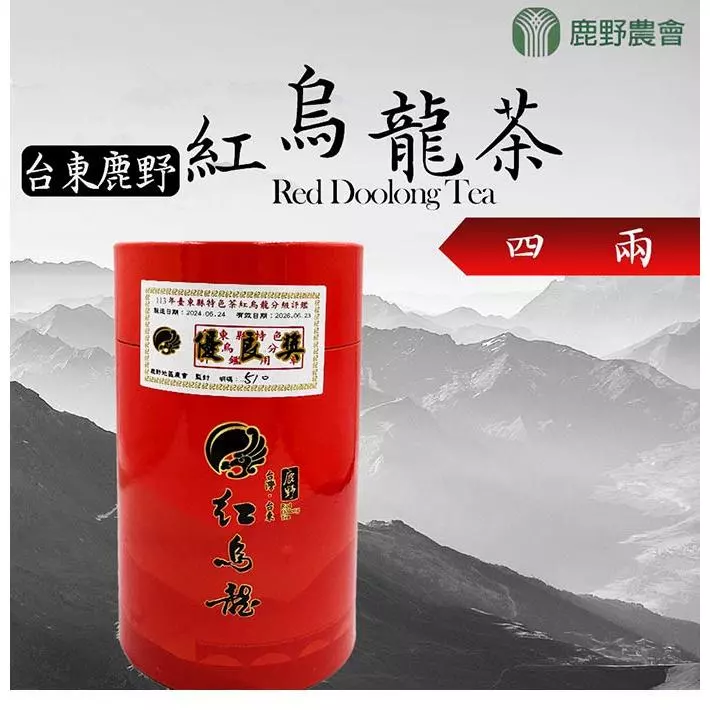
For elders: easy beats rare6
The usual mistake is choosing the tea you find impressive. Rare teas tend to have edges: heavy firing, unusual oxidation, a narrow window where they taste right. The person receiving it may not want to learn how to hit that window.
Three things to check
- NT$1,500–4,000 is the working range here. Above that you are mostly buying for yourself
- Ask for origin down to the township. "High mountain" alone is not an origin
- Slip in a note with the temperature and the seconds. Their first pot will not be a bad one
For clients: it has to have a story you can tell6
Business gifting is not really about price. It is about being able to answer when they ask what it is. A tea whose origin, elevation and picking season you can state does more work than a handsome box.
Three things to check
- High-mountain tea above 1,000 m comes with its own conversation
- Send the link to that tea's page with it, so they can look it up
- Buy one and drink it before ordering in quantity. Do not send out something you have not tasted
Tasting origins: when you want to taste the difference8
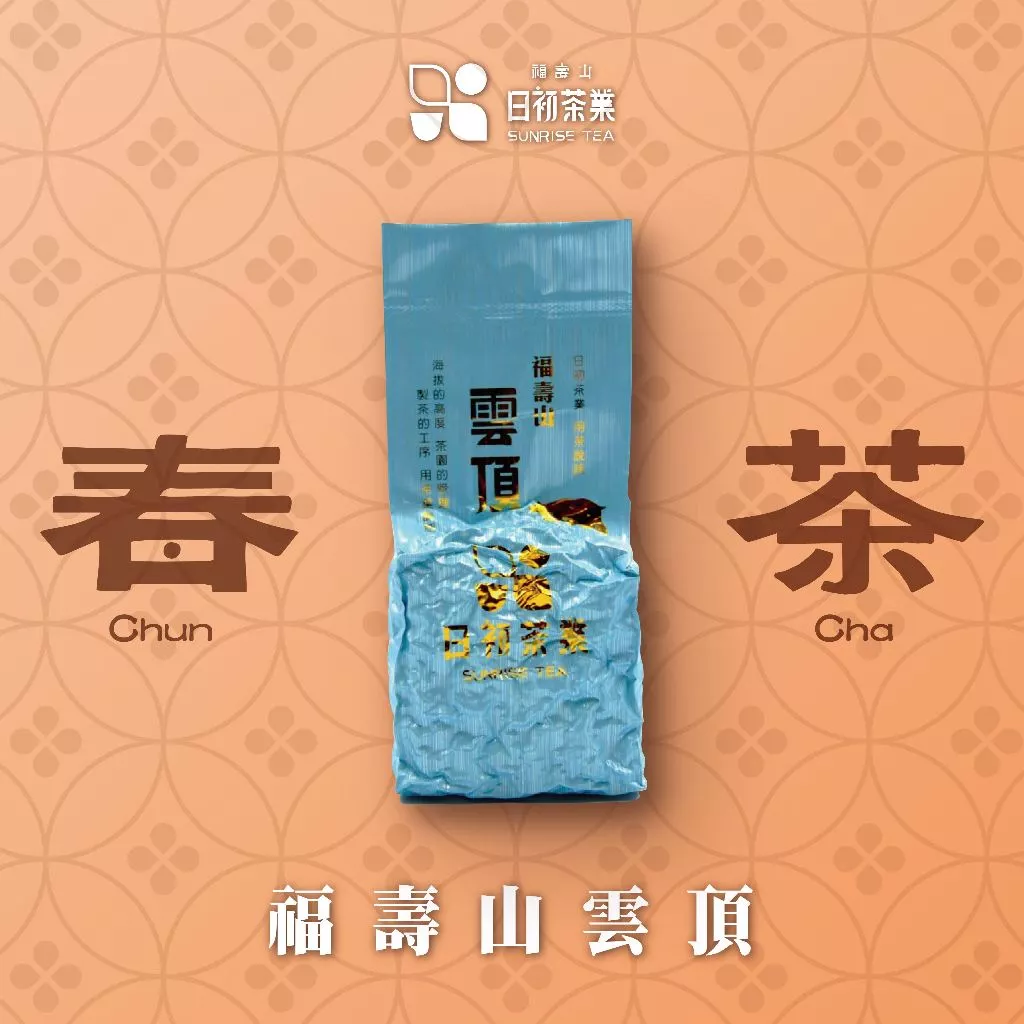
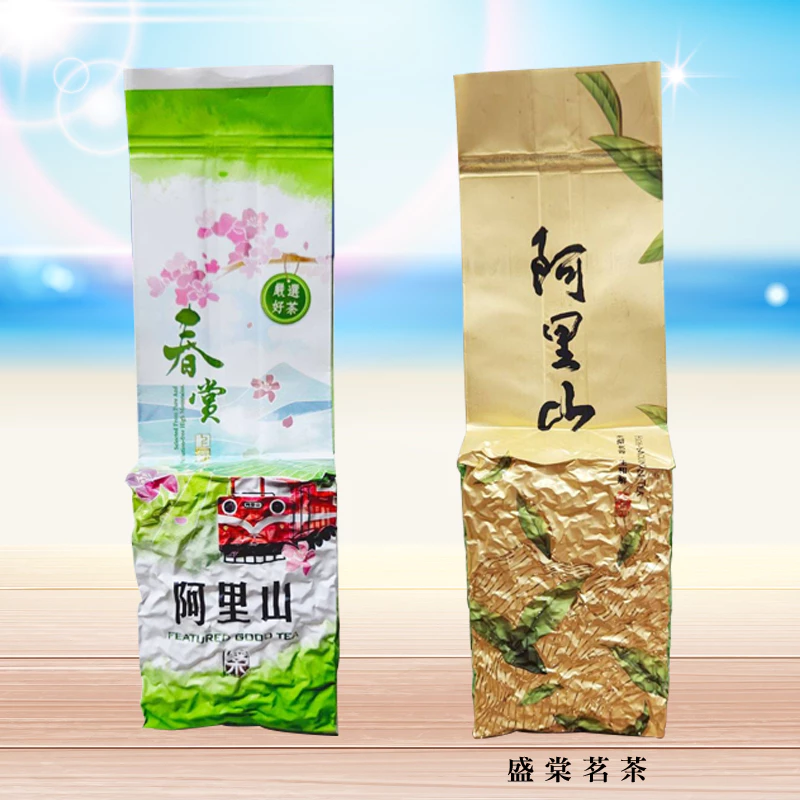
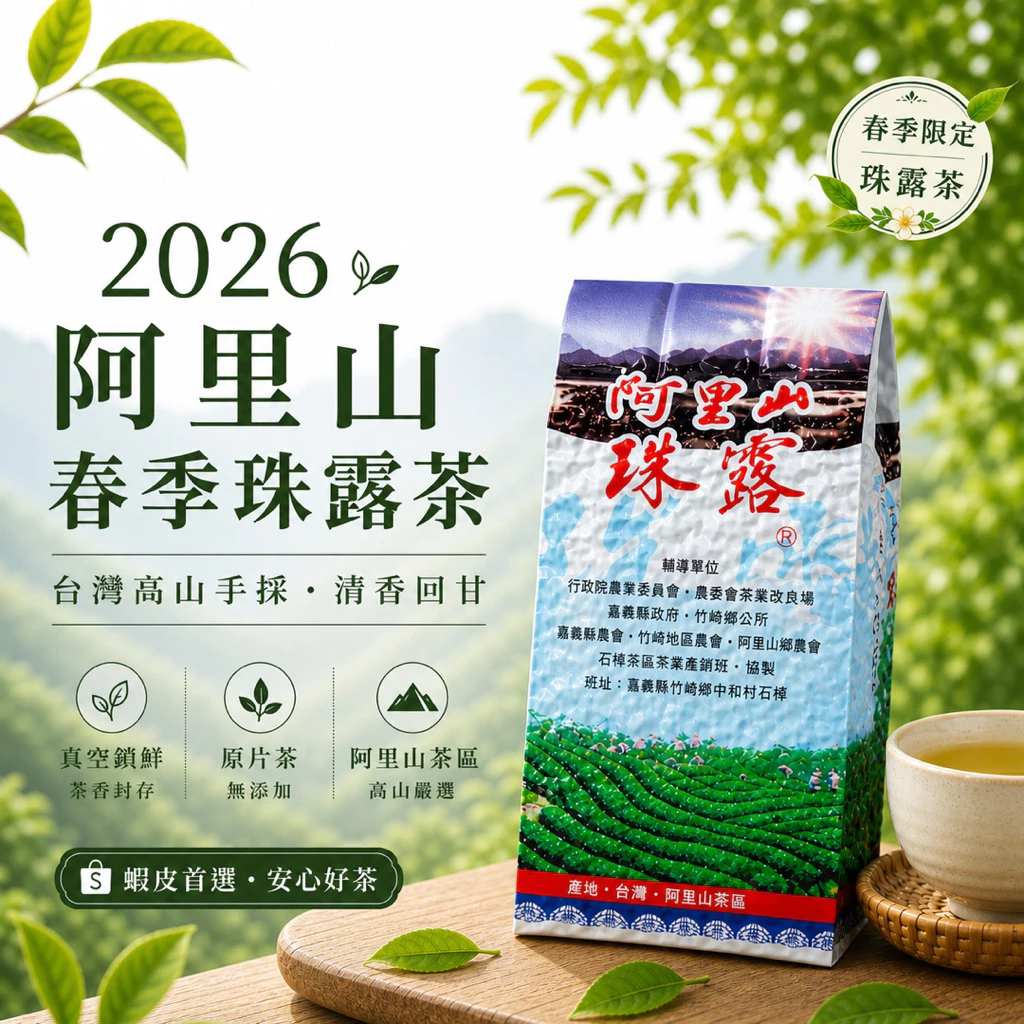
The same cultivar grown at Alishan and at Lishan does not taste the same. The difference is elevation: cloud filters the sun, the day-night gap widens, the bush grows slowly, and less of what makes tea harsh accumulates. To taste that, you need a tea whose elevation is stated.
Three things to check
- Firing covers up the difference between places. To compare origins, take the lightly fired ones
- Compare two at a time, on the same day, in the same pot, at the same temperature
- Hand-picked and machine-picked differ in how whole the leaf is. You can see it once it opens
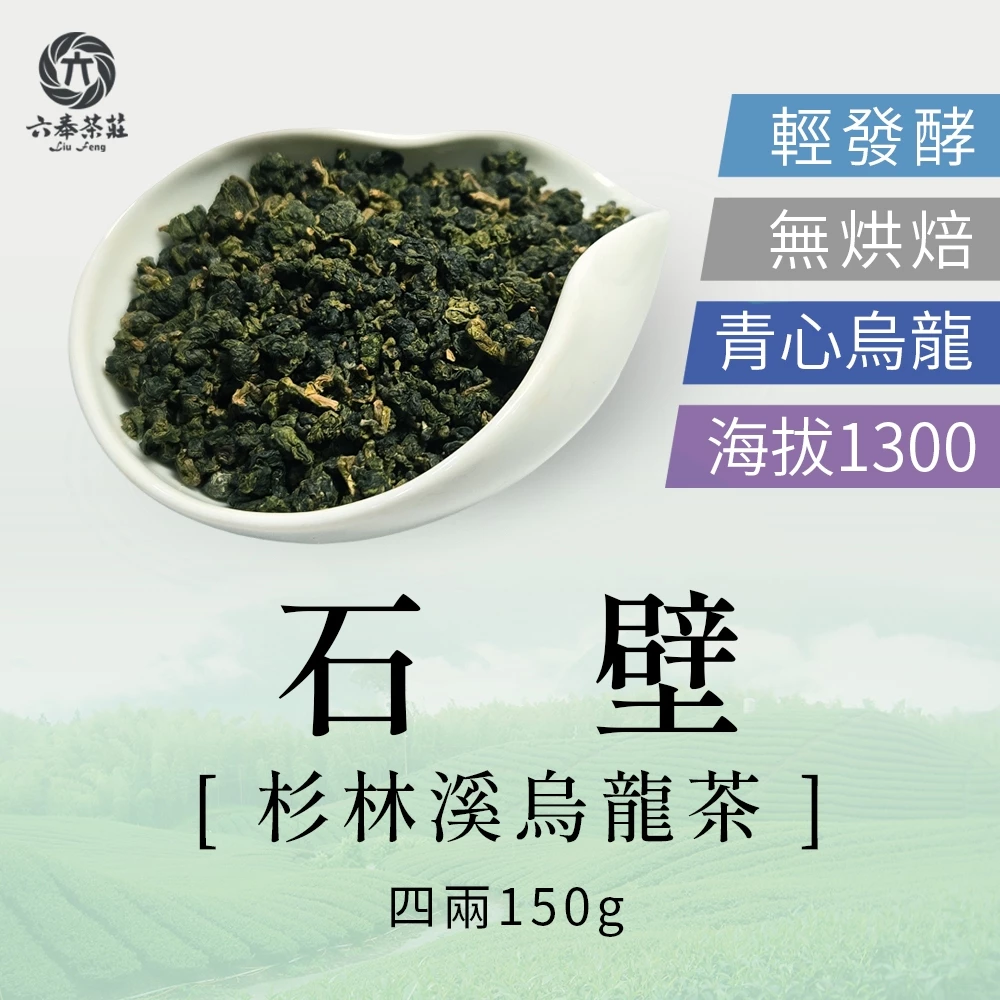
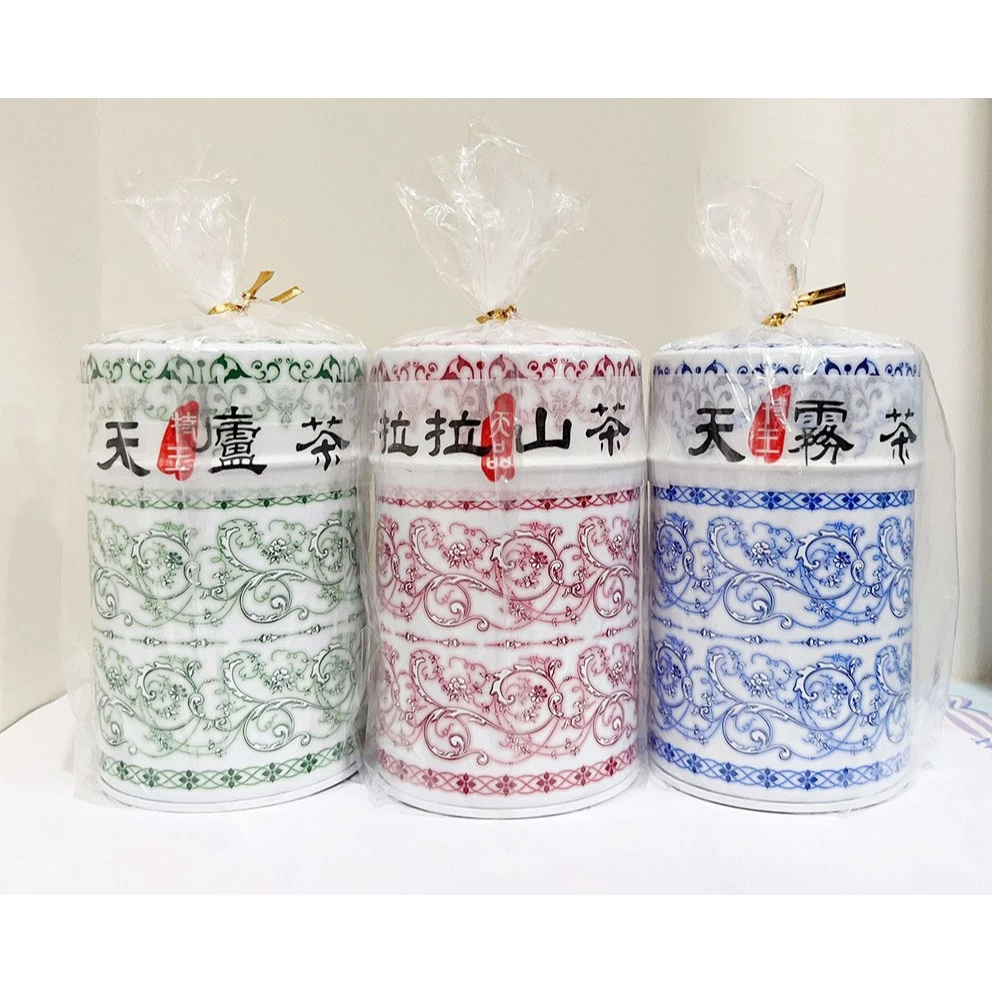
Lowest caffeine: the lowest ratings on this site5
Every tea here carries a caffeine rating from two to four. The ones below sit in the lowest band. This is data we have compiled, not advice on how much to drink: for anything to do with your health, medication or pregnancy, ask a doctor or pharmacist.
Three things to check
- The link between oxidation and caffeine is weaker than most people assume
- How much ends up in the cup depends more on the leaf, the time and the heat
- The full explanation is under "Caffeine in Taiwanese tea" on the FAQ page
Before you buy
How long does cold brew take?
Every tea here carries its own cold-brew time, from 5 to 12 hours; 7 is the most common. Leaf shape decides it: green teas open fast and need 5 hours, strip-rolled Baozhong and ball-rolled oolong 7, Oriental Beauty 10, heavily roasted Tieguanyin and Red Oolong 12. Keep it in the fridge and lift the leaves out when the time is up — past that it turns astringent.
Which tea bags cold-brew without turning bitter?
Astringency comes from catechins, which release faster in hotter water and over longer steeps. Cold water releases them slowly, so bitterness usually means broken leaf or too long a steep. Look at the leaf: whole strips or rolled balls give up flavour slowly and steadily and survive an overnight brew; broken leaf has far more surface area, is finished in two or three hours, and turns astringent after that.
Pyramid bags or flat bags?
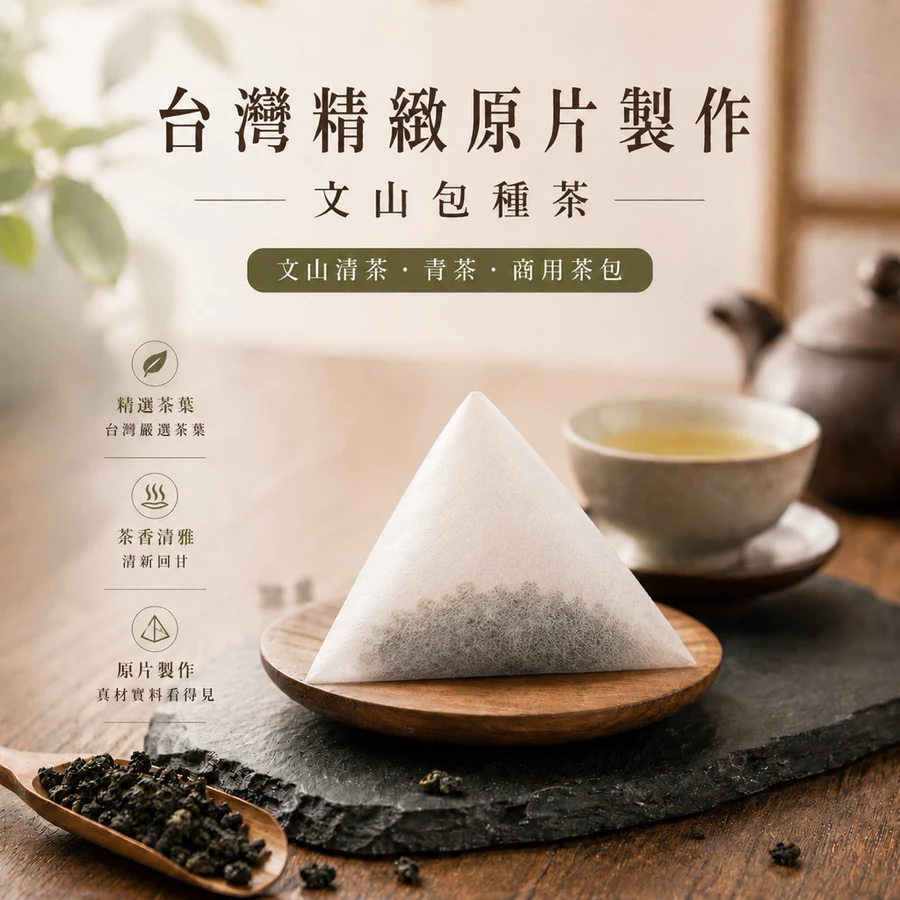
Space. A pyramid bag holds whole strips or rolled balls and gives them room to open; a flat bag is thin and usually carries broken leaf. Broken leaf gives up flavour fast — three minutes is plenty in hot water — but overshoots in a cold brew. For cold brewing, pyramid bags are the safer buy.
What does an everyday tea cost?
6 teas here are picked for everyday drinking, with a fair range of NT$400–1,500 per catty (600 g). Below 400 is usually summer or machine-harvested leaf and tastes coarse; above 2,000 is generally competition tea or high-mountain spring and winter picks — lovely, but expensive as a daily habit. Each tea page shows its own range and where the figure comes from.
Alishan, Lishan, Dongding — what is the difference?
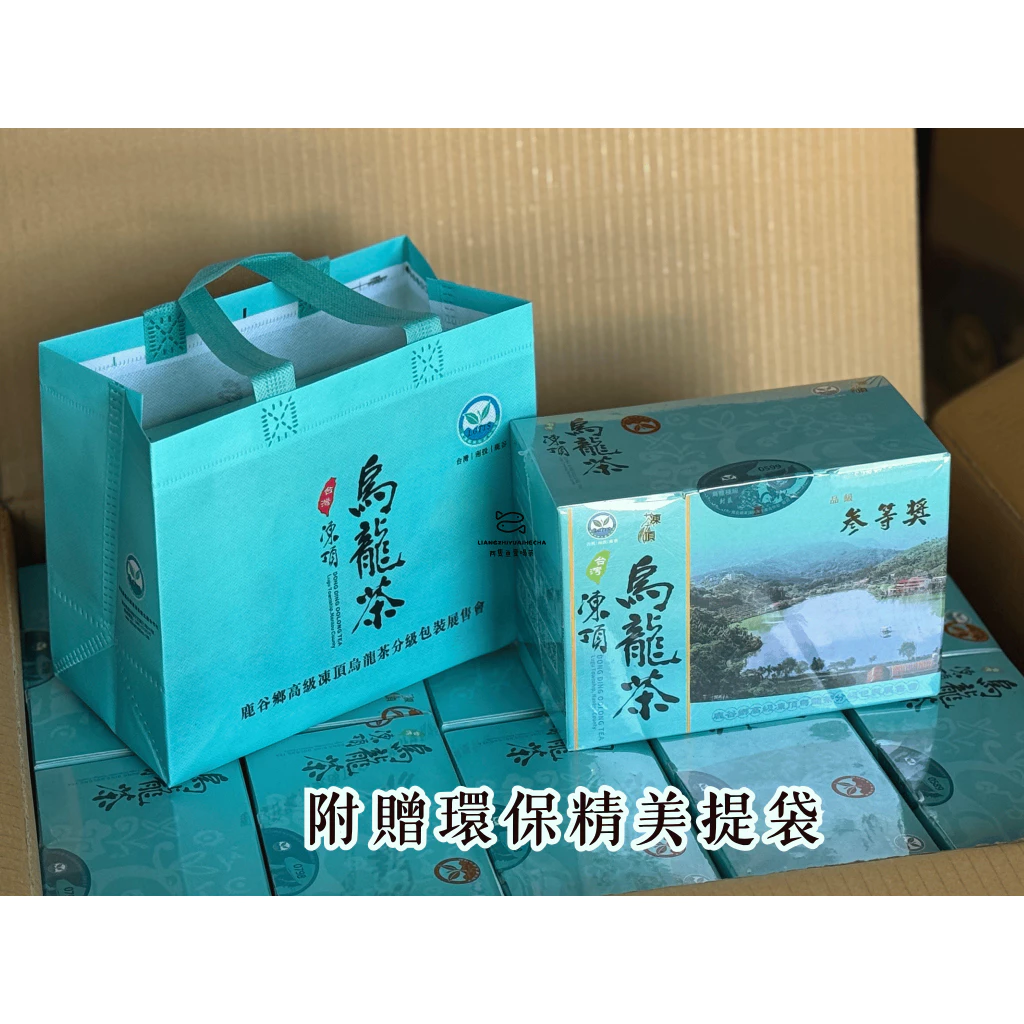
Mostly altitude. Alishan has 17 teas here at 700–1,700 m; Lishan has 9 at 1,800–2,650 m, the highest area on the site; Dongding sits at around 800 m in Lugu, Nantou. Higher ground means a wider day-night temperature swing and slower-growing bushes, which pushes the aroma towards the delicate end; lower ground gives a thicker, rounder taste. Dongding names a method and a place — the cultivar is listed separately on each tea page.
Choosing tea as a gift
For an older relative, pick a name they will recognise and a fuller roast — Dongding or Tieguanyin. A well-roasted tea keeps, so there is no hurry to drink it. For a client, pick something with the growing area printed on it: they may not know tea, but Lishan and Alishan read as places, and a named origin looks like thought went into it. The two gift sections above are sorted on exactly these two rules.